UN Peacekeeping: Changing Roles and Complexities
The idealism of the UN as a harbinger of peace is being opposed by the very nations that helped build it and remain its constituent parts ...

Defense and Security at its very core attempts to explore the liaison between politics and the several kinds of military power, from the use of terror by small, non-state groups to the susceptible use of nuclear weapons. The scholars of the respective center bring forward the blend of contemporary strategic and trenchant case studies transcending the conventional wisdom offering the recommendations that are ultra-practicable. Bringing in various multidisciplinary, critical, and regional expertise, the analysis presented won’t solely rely on straight-line predictions but rather will consider the full range of possibilities and anticipate a broad scope of plausible outcome. The analysis provided will not only be looking at the implications of the current issues but also will further aid to identify and analyze the issue thereafter. The Security and Strategy center tends to cover broad array of issues, majorly dealing with Nuclear Issues, Military Issues, Defense modernization, Terrorism and Militancy.

The idealism of the UN as a harbinger of peace is being opposed by the very nations that helped build it and remain its constituent parts ...

As India’s “unsinkable sentinel,” they offer unparalleled surveillance, deterrence, and regional engagement advantages ...
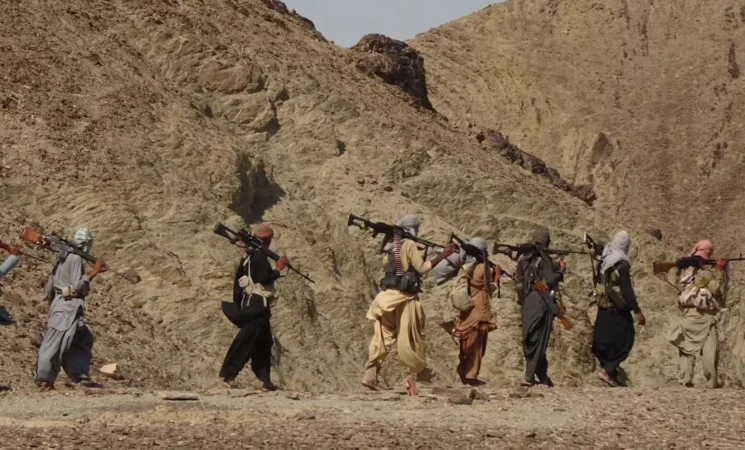
The future trajectory of the Majeed Brigade will hinge on Pakistan’s ability to balance military response with political inclusion and economic justice in Balochistan ...

As the UN is to remain a pillar of international security, peacekeeping needs to be treated as a global priority, not an afterthought ...

The continuous escalation of conflict between Ukraine and Russia is itself a testimony that they were not pushed to settle down by other great powers. Rathe ...

The Stargate initiative, akin to past U.S. techno-nationalist endeavors like SDI, reflects a reactive and protectionist response to China’s AI advancements ...

Cyber warfare, which targets critical infrastructure and spreads disinformation, poses significant threats to national security and global stability ...

The US would need to carefully manage its actions to avoid escalating tensions and ensure that it does not antagonize Russia and China in a way that could destabilize the broader Arctic balance ...

The application and usage of drones have also become widespread among non-state actors; they are now used for intelligence gathering and conducting strikes as well as psychological warfare which in turn causes even more instability in the regions. ...
A New War Machine: Private AI Firms and the Future of Combat
While everyone was concerned with how the US and the West were arming Ukraine to the teeth with massive firepower, private AI companies were supplying Ukraine with their technology ...