 NEIGHBOURHOOD STUDIES
In an increasingly multipolar world, Nepal’s strength lies not in rhetorical positioning but in clear-eyed realism, strategic consistency, and the pursuit of national interest grounded in…
Dr. Pramod Jaiswal · 28 April 2026
 Climate Change and Energy
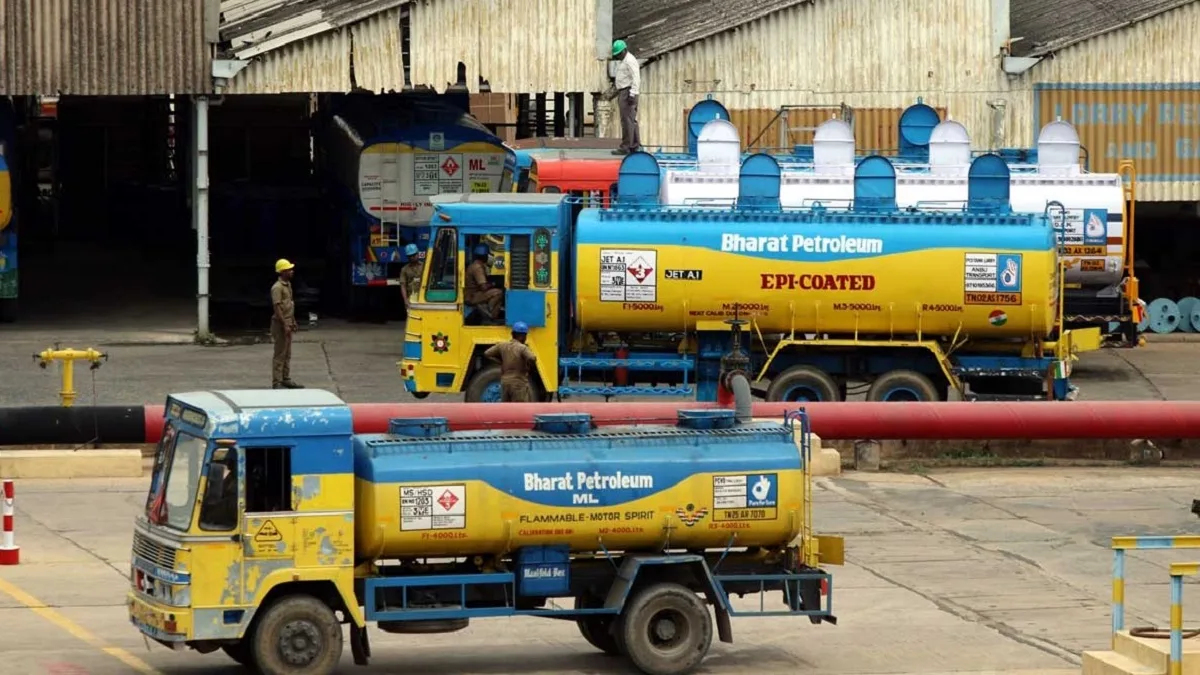
The war is far from over as the US blockade on the Strait of Hormuz continues. It has led to far-reaching impacts on jobs and food…
NIICE · 23 April 2026
 Global Governance, Sustainable Development and Smart Cities
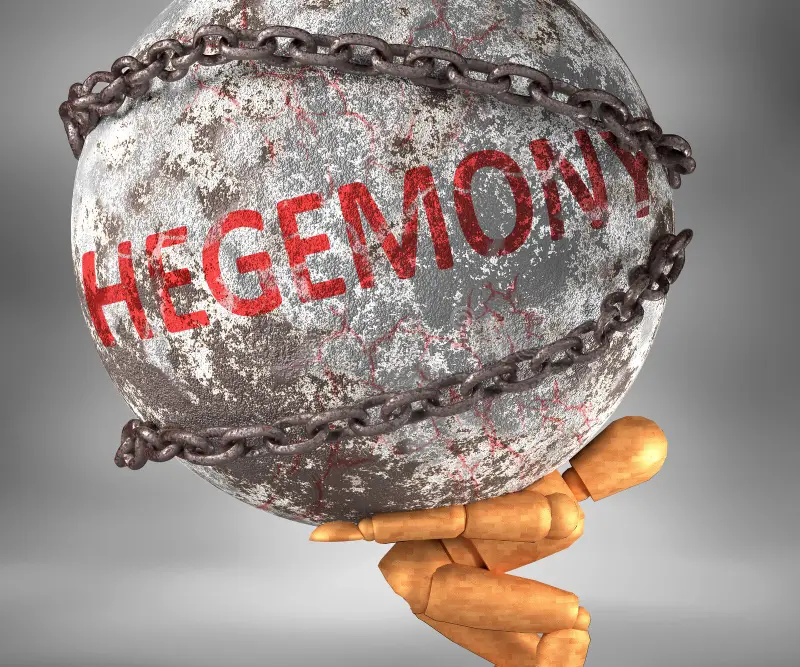
In understanding today’s world order, it’s imperative that we understand hegemonic theory as a broader set of frameworks and not just as a part of consequences…
NIICE · 19 April 2026
 INDO-PACIFIC AFFAIRS
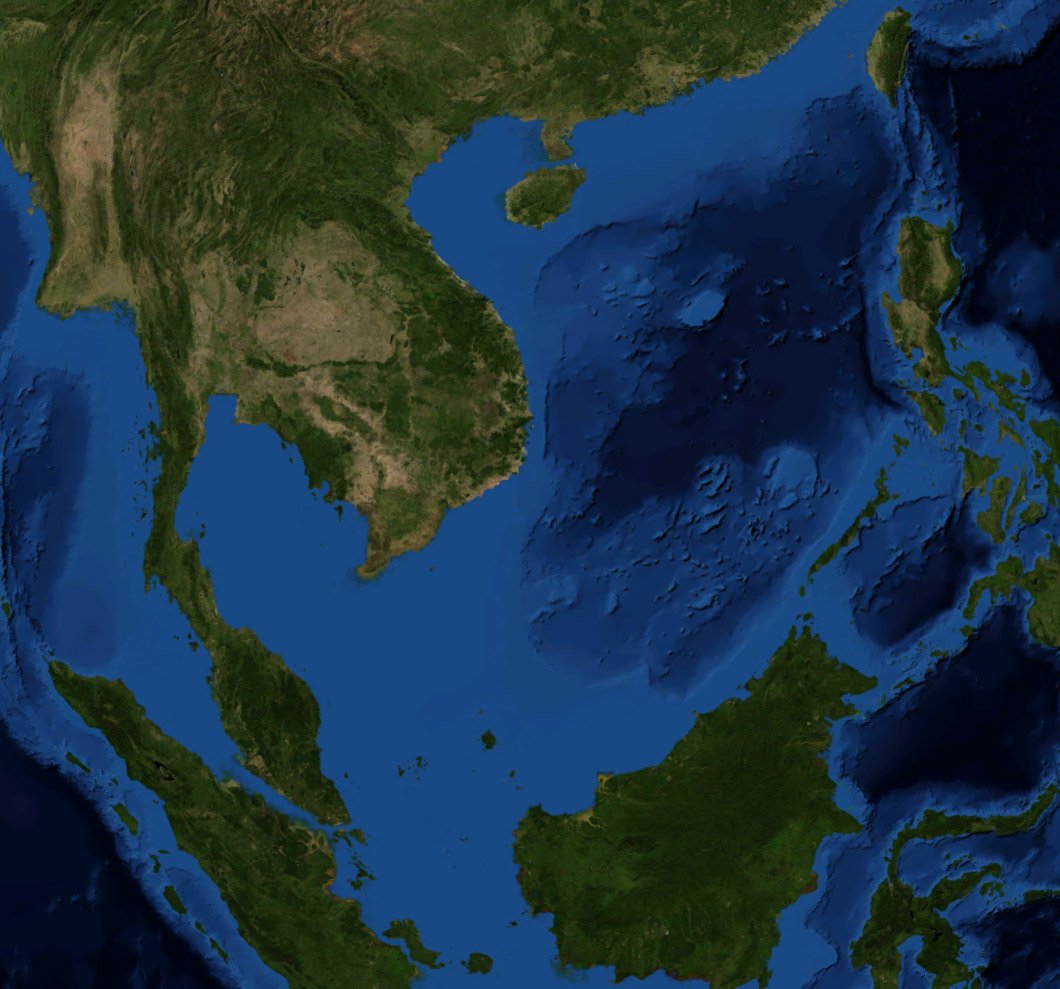
Renaming features in the South China Sea is not a new phenomenon. This has been there at the onset; disputed countries have been renamed before to…
NIICE · 15 April 2026
 International Economy and Development
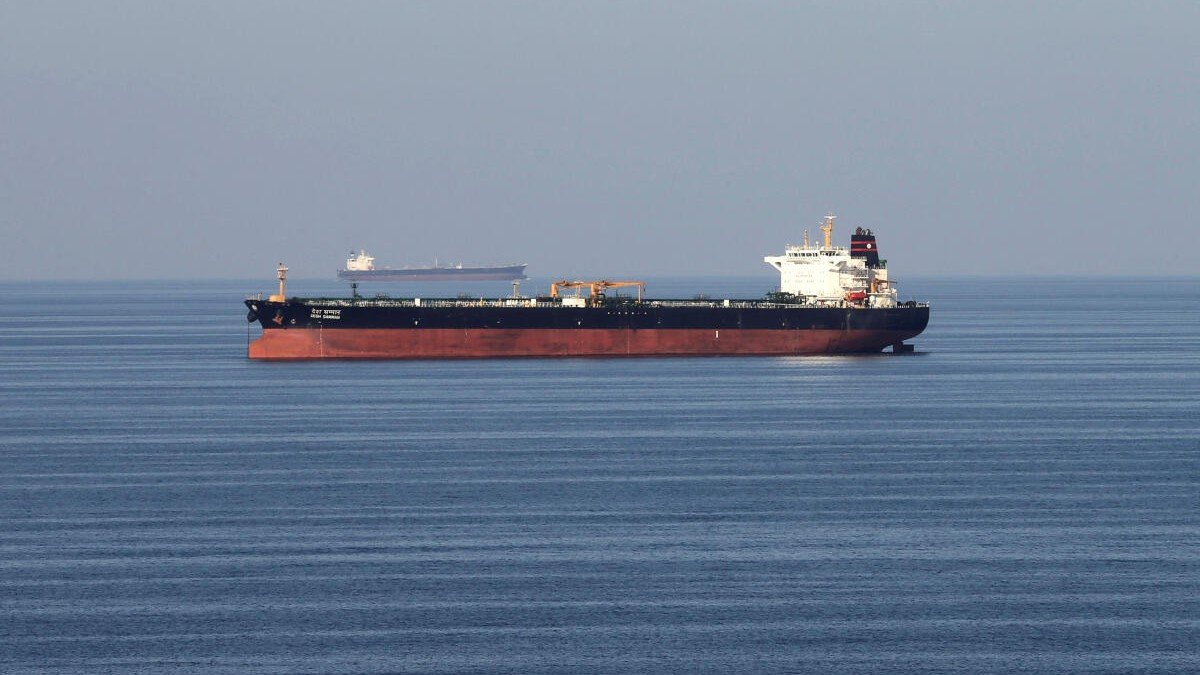
Iran remains an important regional partner for India, particularly in the context of long-term energy security and connectivity ambitions. However, positioning Iran in direct strategic equivalence…
NIICE · 10 April 2026
 Border and Trans-Boundary Water Politics
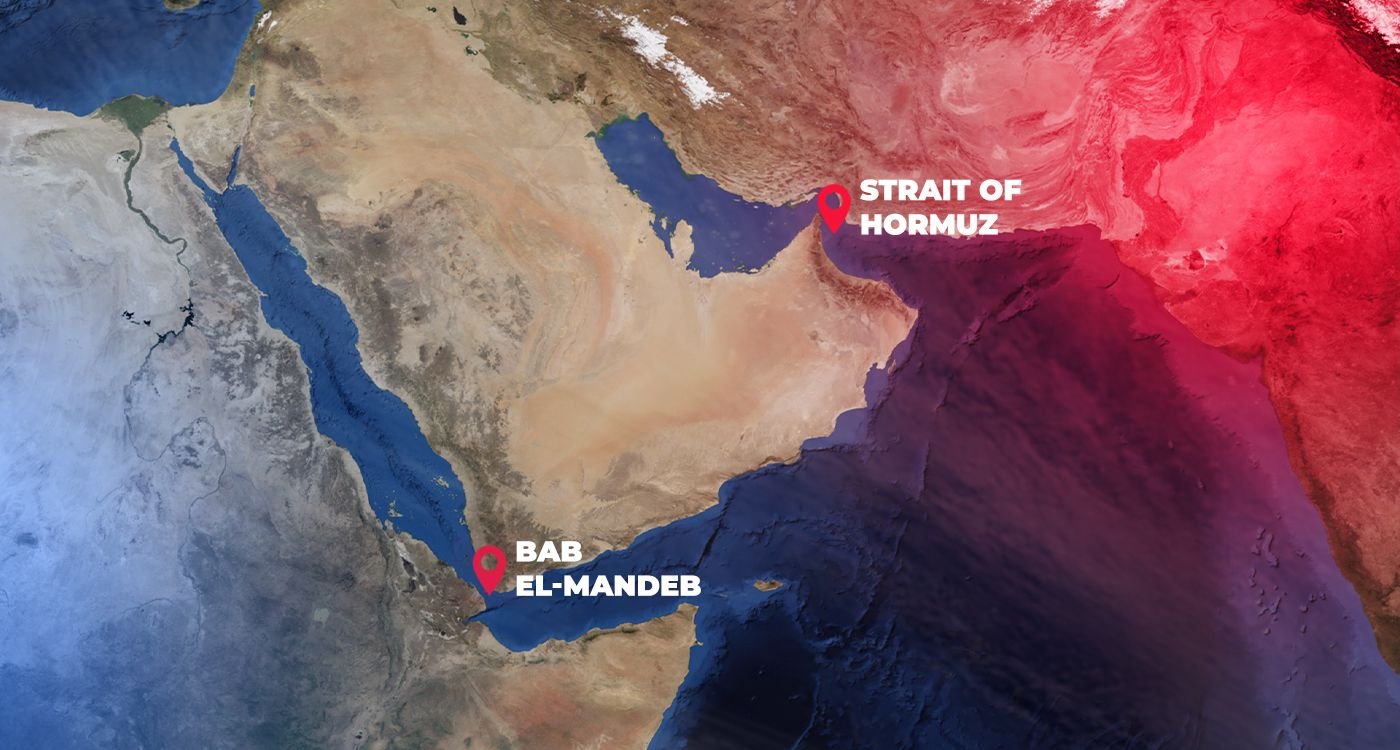
The twin chokepoint crisis at the Strait of Hormuz and Bab el-Mandeb illustrates the profound ways in which regional conflict can disrupt global trade and economic…
NIICE · 7 April 2026
 Border and Trans-Boundary Water Politics
The UK-led talks on the Middle East situation are productive and optimistic as it brings diverse stakeholders to address the issues of common security of global…
NIICE · 5 April 2026
 Climate Change and Energy
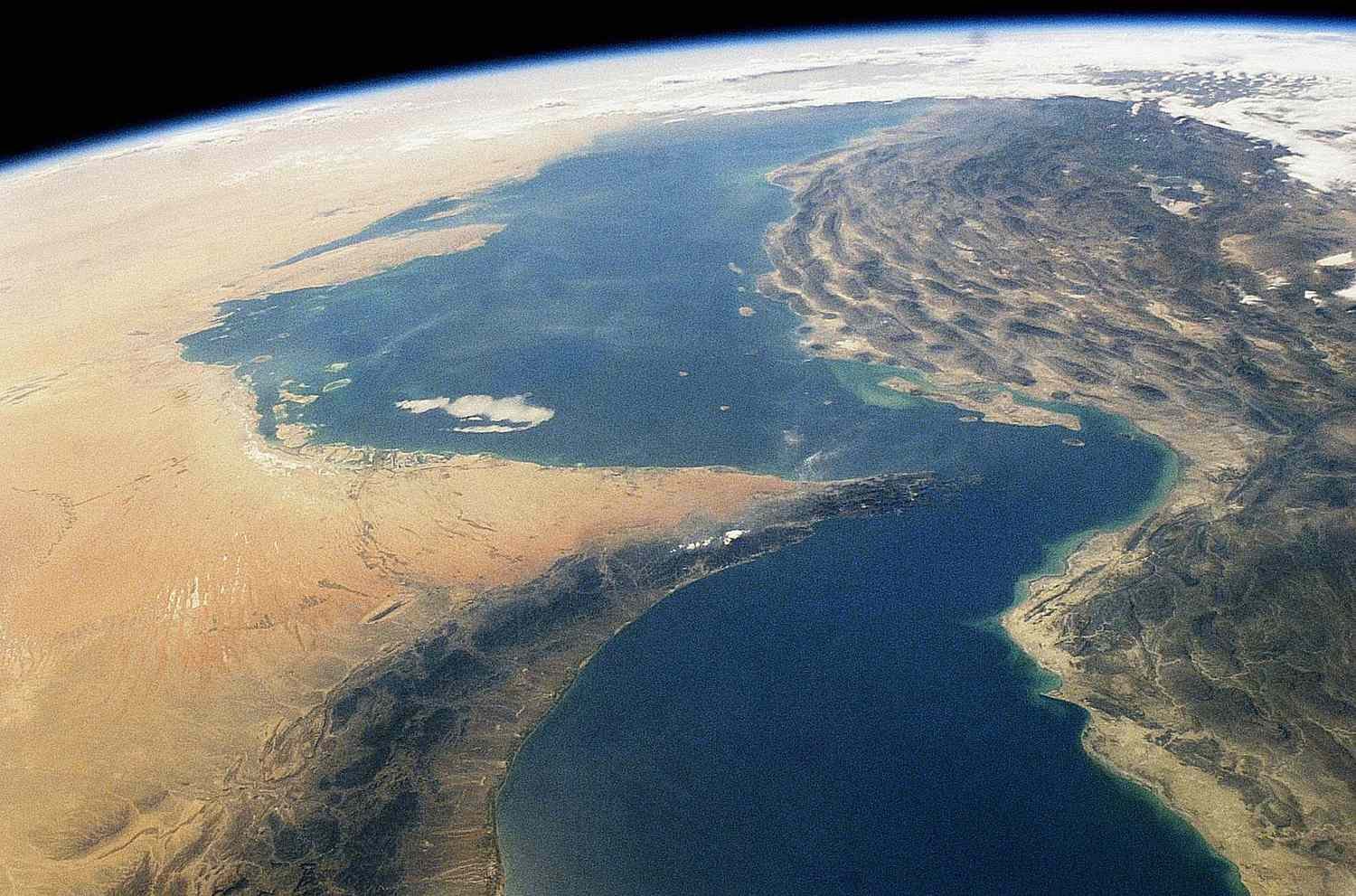
Wars in West Asia have profound implications for both climate change and global energy systems.
Abiranjali Khatry · 4 April 2026
 CHINA STUDIES
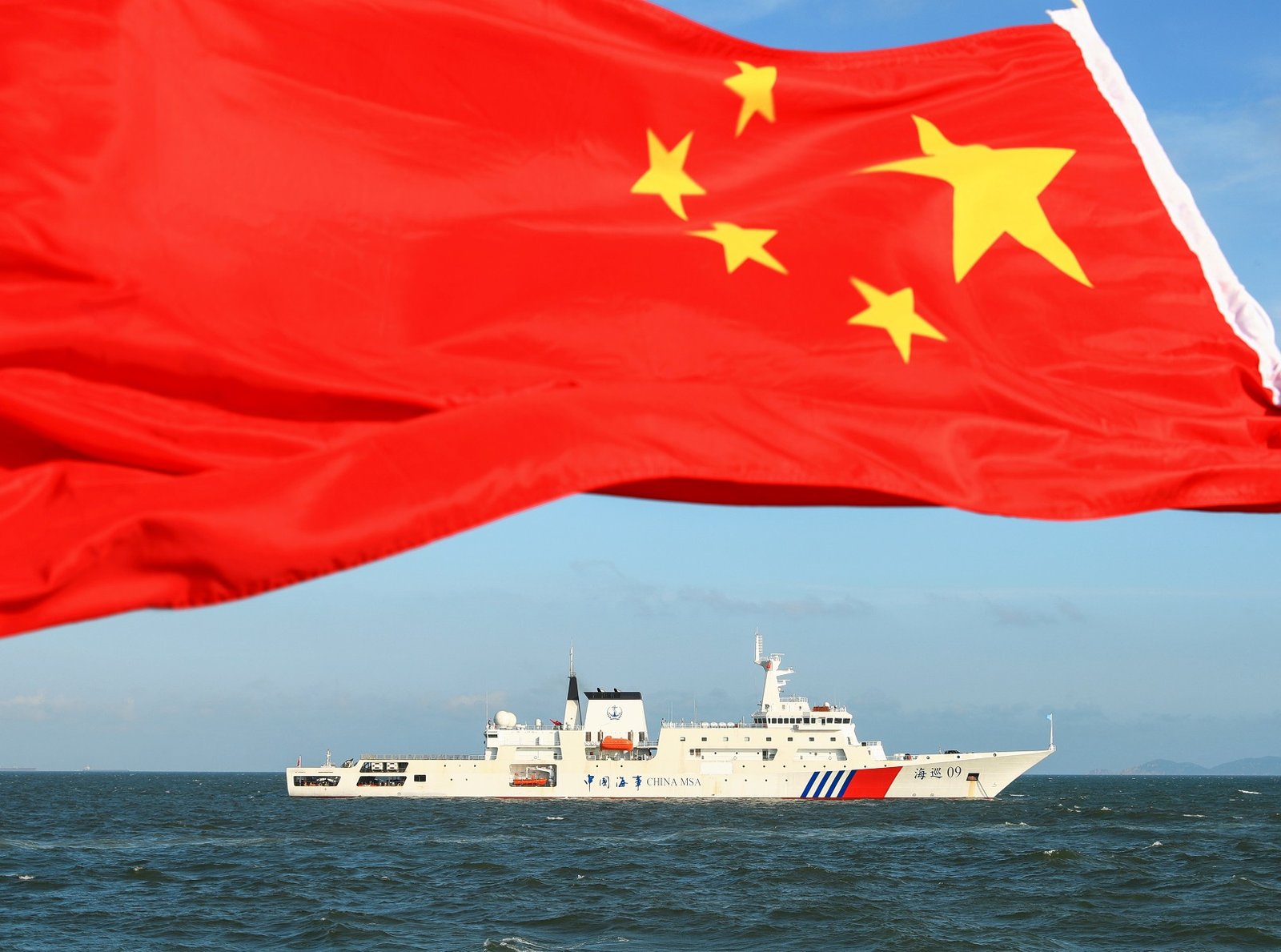
While Mao’s foreign policy was often a struggle for the PRC's very existence, Xi’s strategy is a struggle for dominance, framed as the inevitable return to…
NIICE · 2 April 2026
 NEIGHBOURHOOD STUDIES
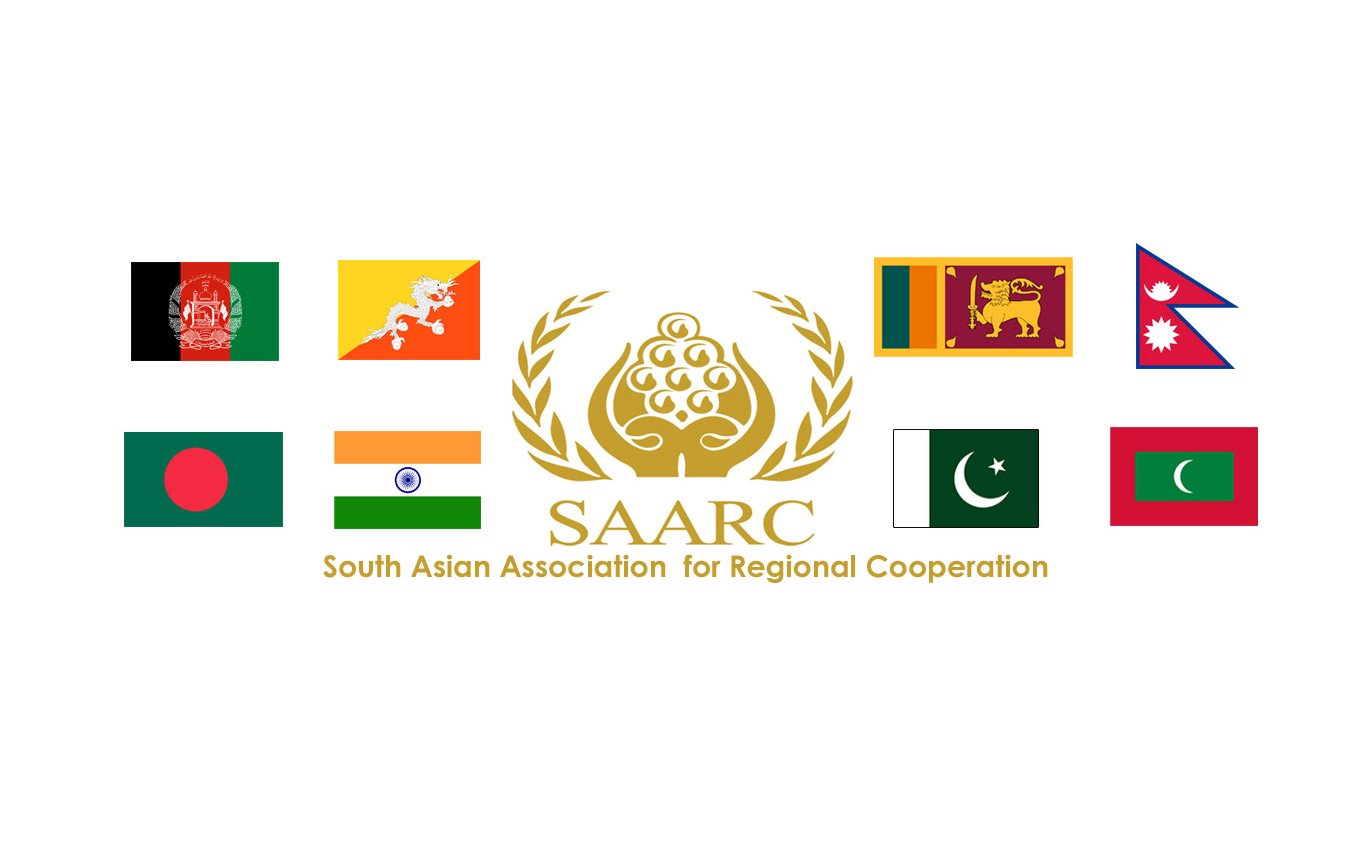
Reinvigorating SAARC needs to underscore mutual interests, economic interaction, and social cooperation coupled with revamping the institutional capacities.
NIICE · 1 April 2026