
The Role of Institutions in Shaping China’s Ethnic Policy
Professor Fei Xiaotong proposed a framework of “a pluralist-unity structure of the Chinese nation” which was adhered to in the 3 pillars of ethnic policy in…
NIICE · 30 December 2022
Professor Fei Xiaotong proposed a framework of “a pluralist-unity structure of the Chinese nation” which was adhered to in the 3 pillars of ethnic policy in…
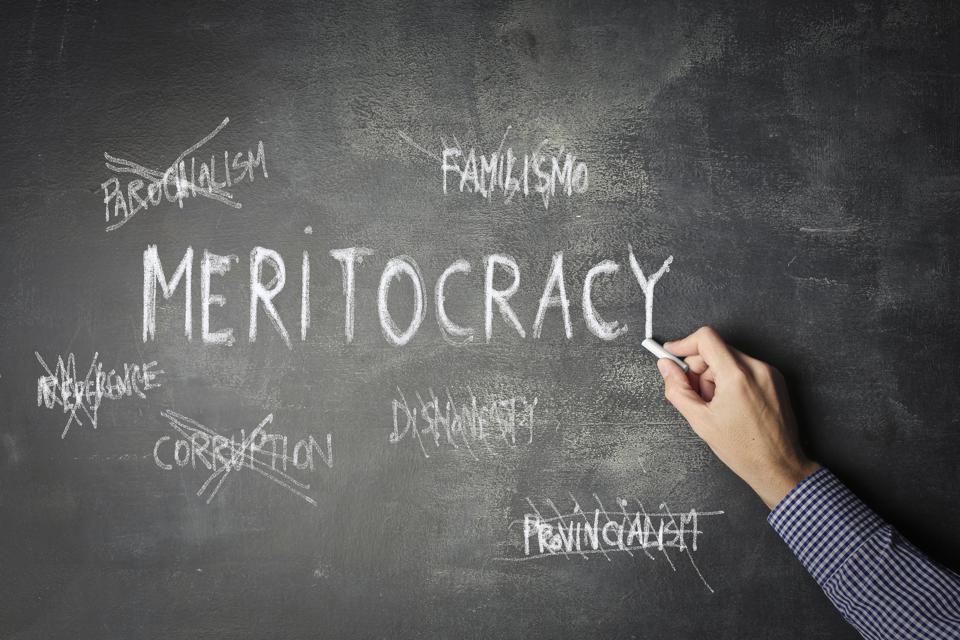
Certain changes in laws may also be required to institutionalise meritocracy in politics including the minimum qualifications required to be a member of the parliament or…
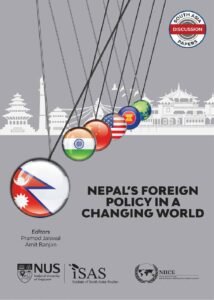
Jointly produced South Asia Discussion Papers by Institute of South Asian Studies, National University of Singapore and NIICE to understand the multiple nuances in Nepal’s foreign…
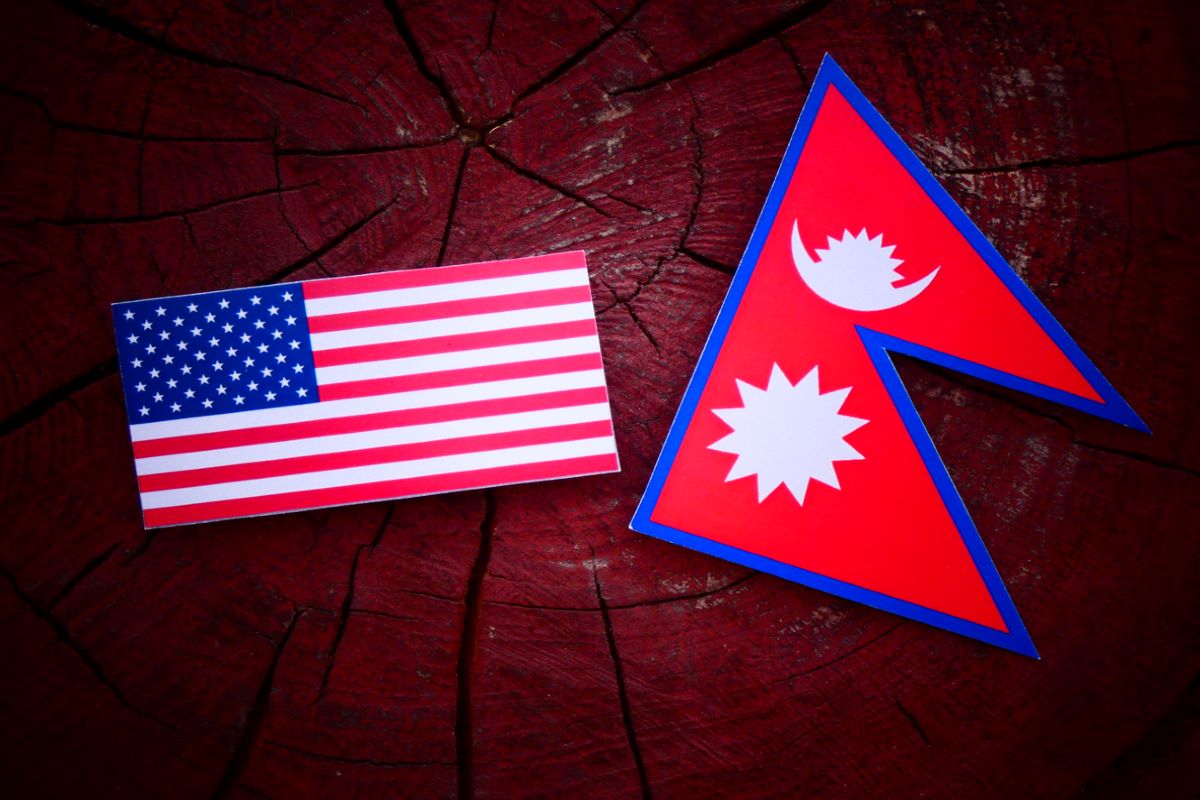
After China's takeover of Tibet in 1949 and after the uprising in Tibet in 1959, the US concern increased in Nepal. Moreover, after the Araniko highway…
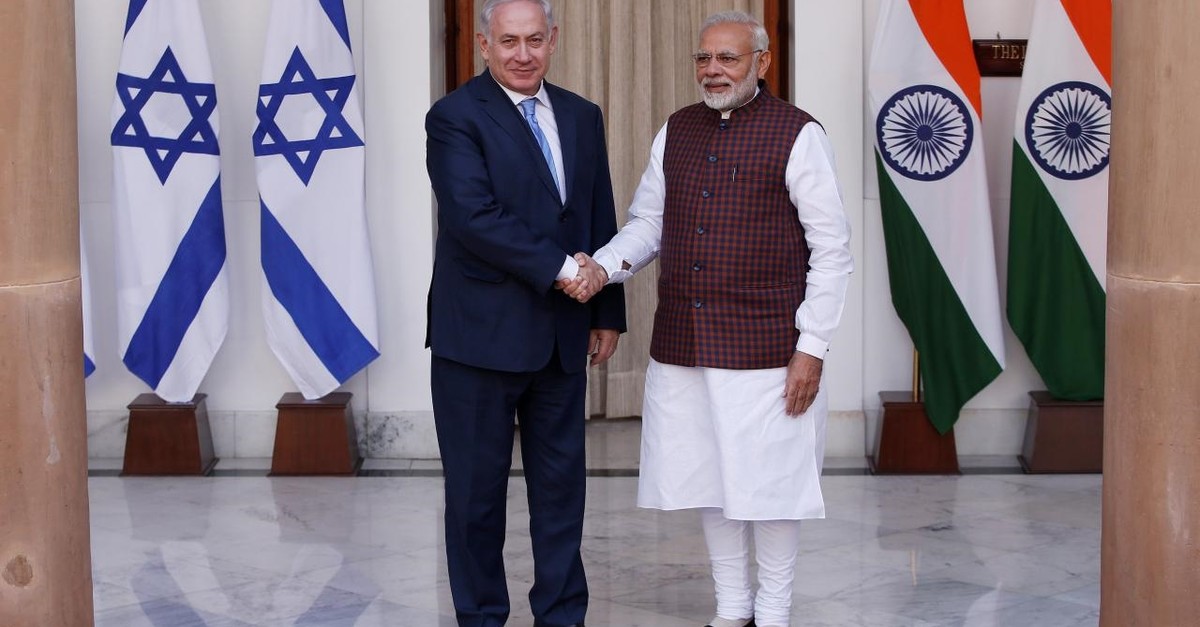
India and Israel have been collaborating on military equipment since 1993, when Israel’s foreign minister, Shimon Peres, visited India and signed an agreement. It was a…
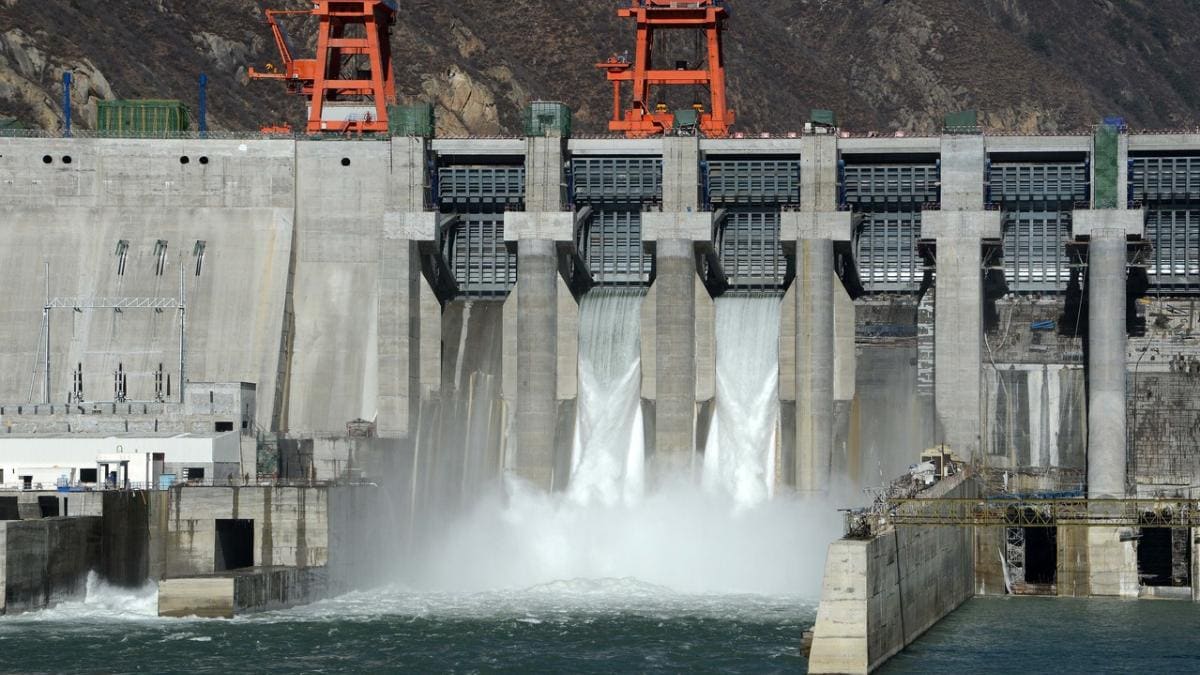
By fostering mutual trust and easing the flow of information for effective transboundary water governance and the preservation of natural systems, River Basin Organisations have the…
The role of international organizations and other regional organizations to resolve this conflict will undoubtedly have a major impact and work as a beam of hope…
India needs to recognize the fact that the other great and strong power would invest in its friendship only when they see potential in it. If…
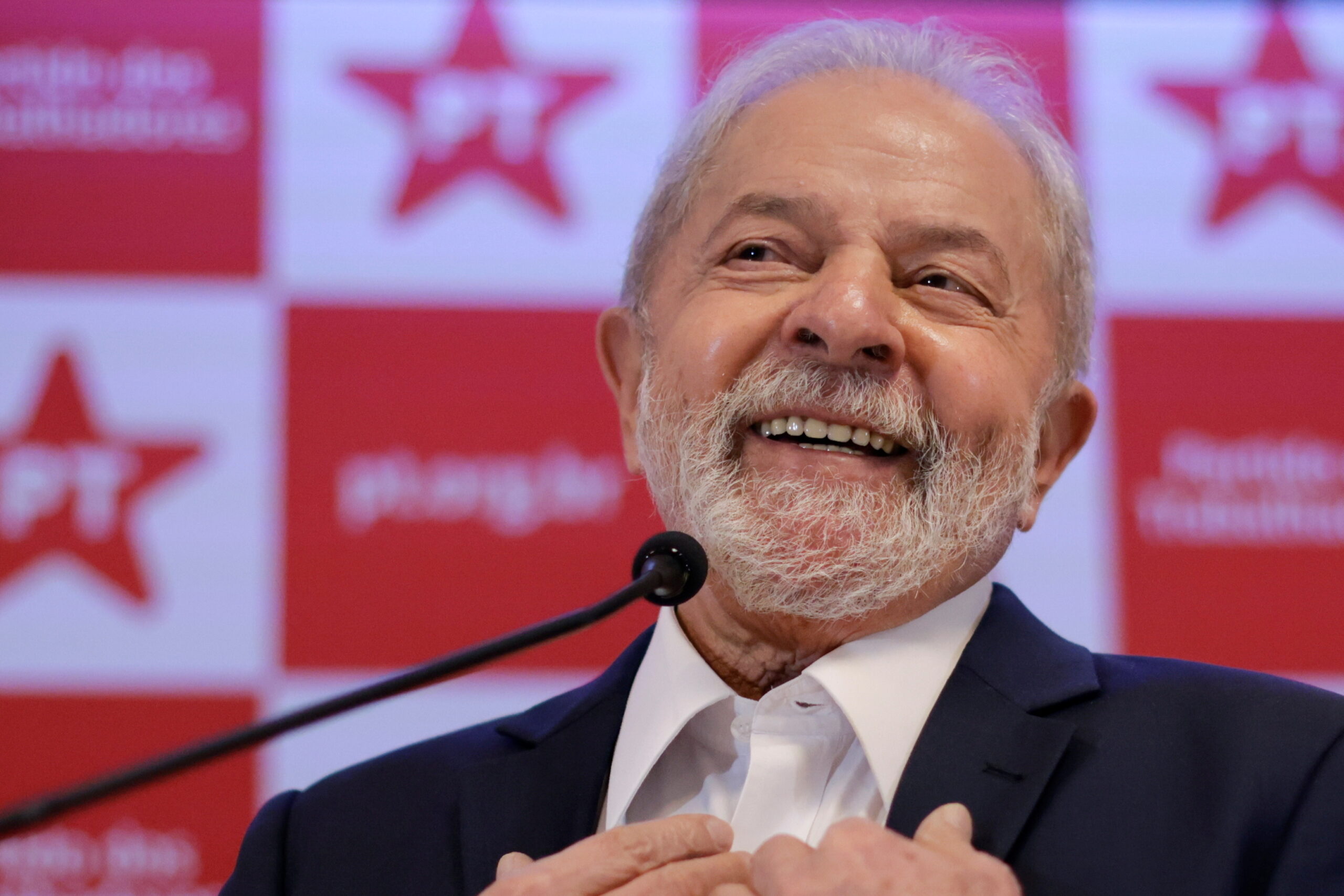
Brazil is facing many issues that stretch from poverty to the environment and Lula da Silva’s leftist and socialist policies might be a great means for…
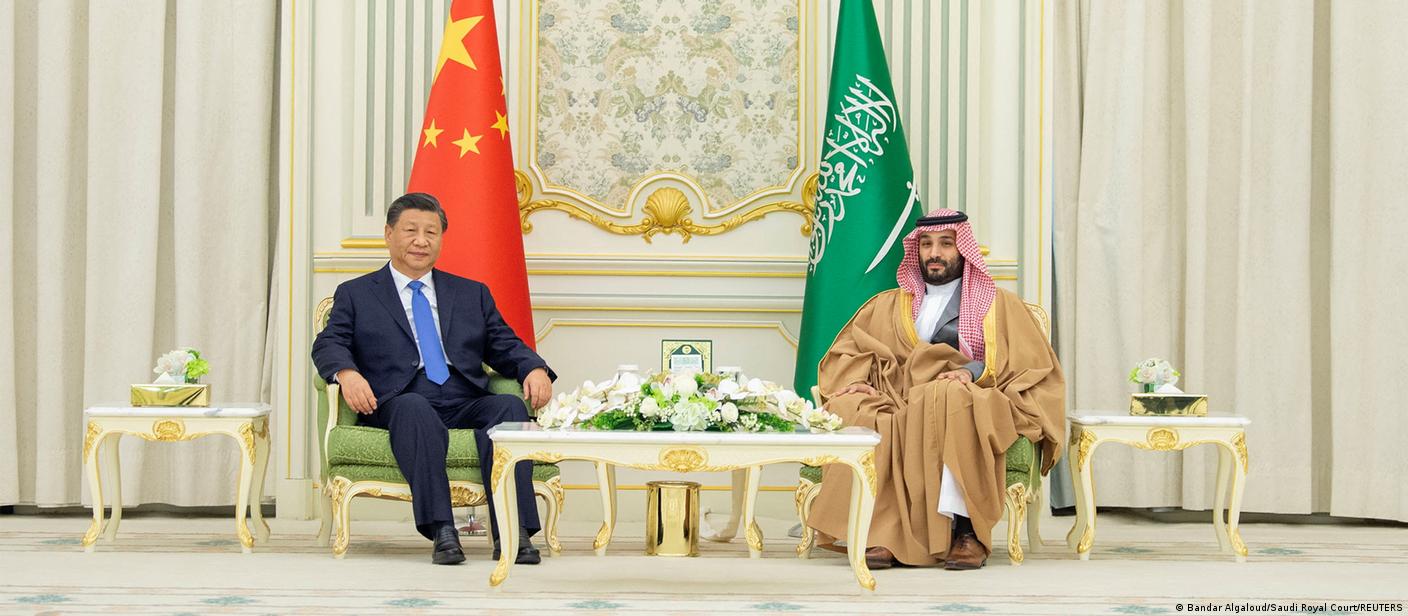
Beijing was also able to garner the Arab support for its new flagship projects i.e. Global Development Initiative and the Global Security Initiative - the two…