Global Governance, Sustainable Development and Smart Cities
Different scholars provide varying and competing views about the world order in terms of leadership and power configuration. To truly understand the debates around rules and…
NIICE · 3 October 2026
 Global Governance, Sustainable Development and Smart Cities
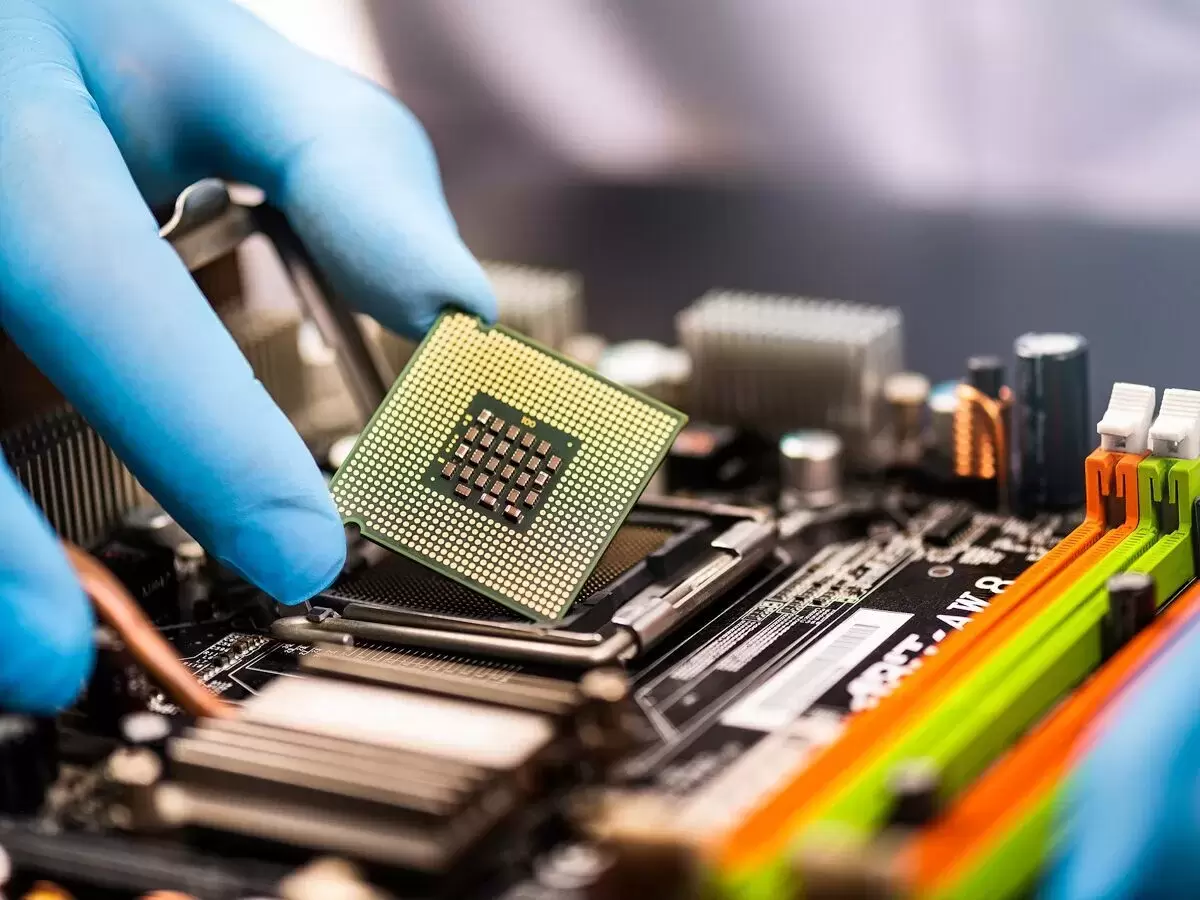
The case of the Tata Dholera facility reveals that India's semiconductor mission is far more complex than public discourse often suggests.
NIICE · 21 September 2026
 Global Governance, Sustainable Development and Smart Cities
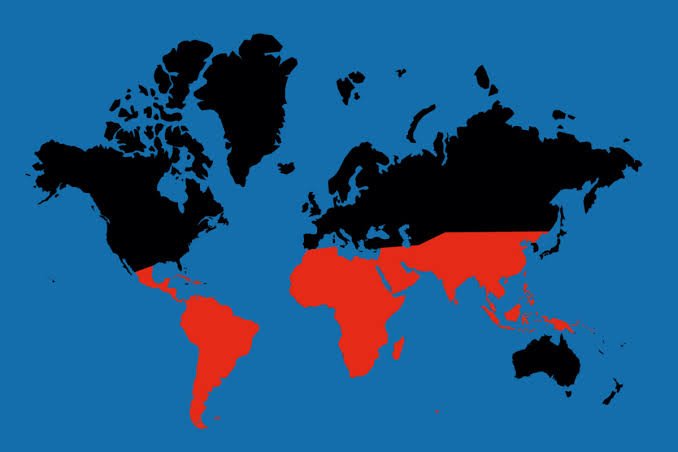
Global South is a collective responsibility of rising powers.
NIICE · 19 September 2026
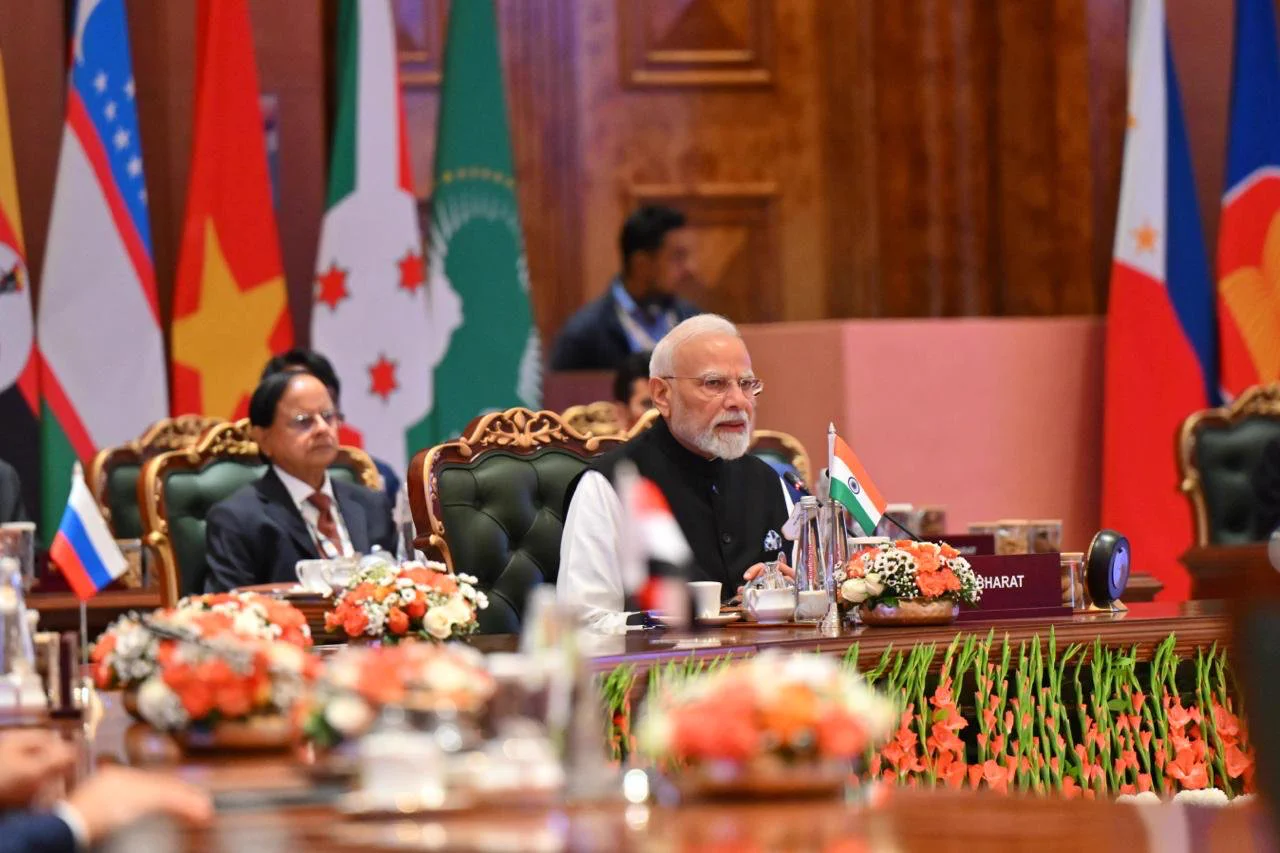
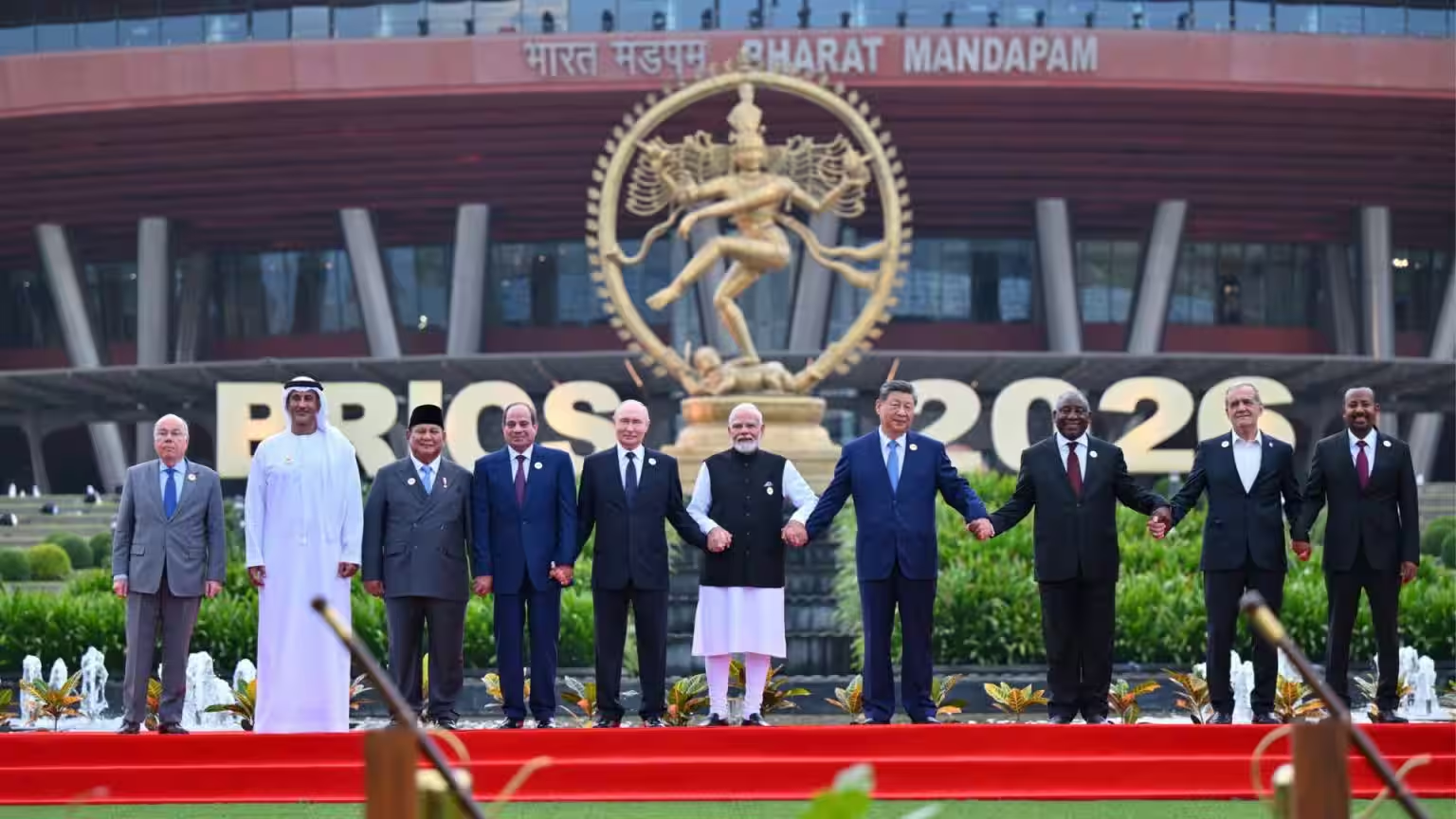
Global Governance, Sustainable Development and Smart CitiesIn a fragmented international environment, the ability to keep a conversation going and occasionally turn disagreement into consensus is itself a form of diplomatic power. BRICS…
NIICE · 16 September 2026
 Global Governance, Sustainable Development and Smart Cities
India’s multi-hedging grand strategy is a monumental model for the margins of the Global South region in the last decade, or can be traced after economic…
NIICE · 15 September 2026
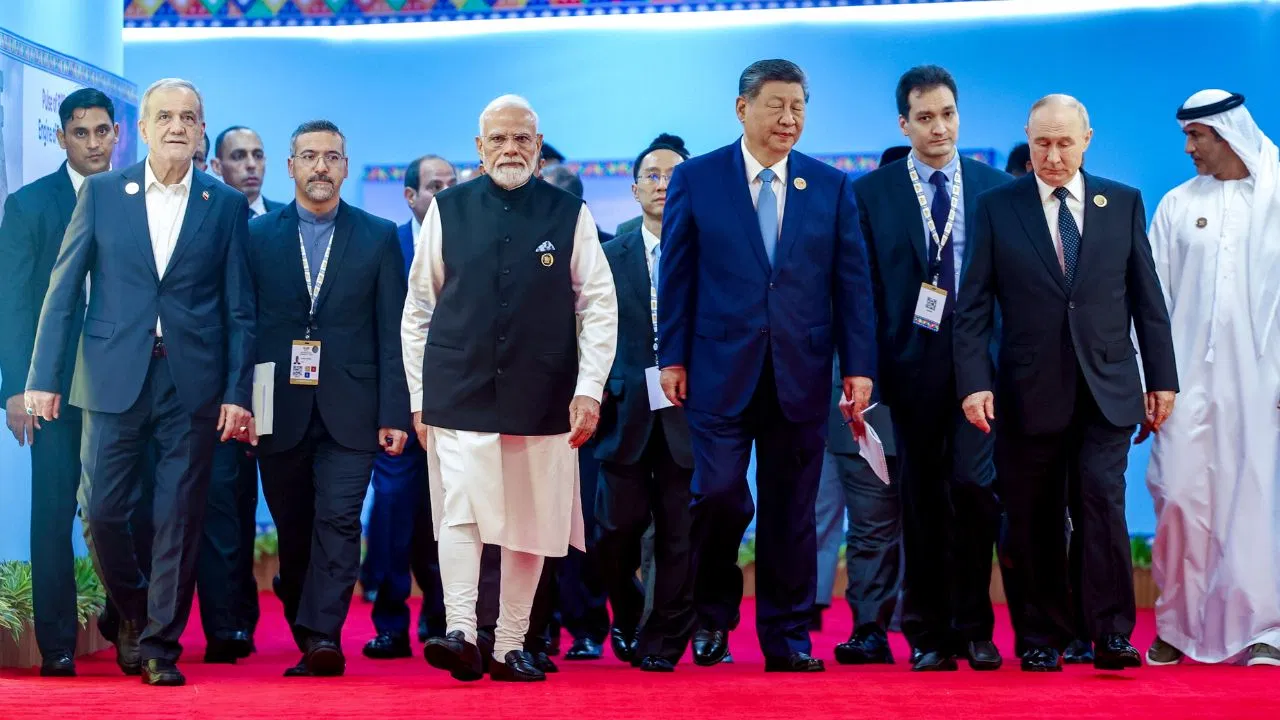
Global Governance, Sustainable Development and Smart CitiesBRICS has spent successive summits presenting itself as a forum for countries seeking greater representation in a changing global order.
NIICE · 14 September 2026
 Defence and Security
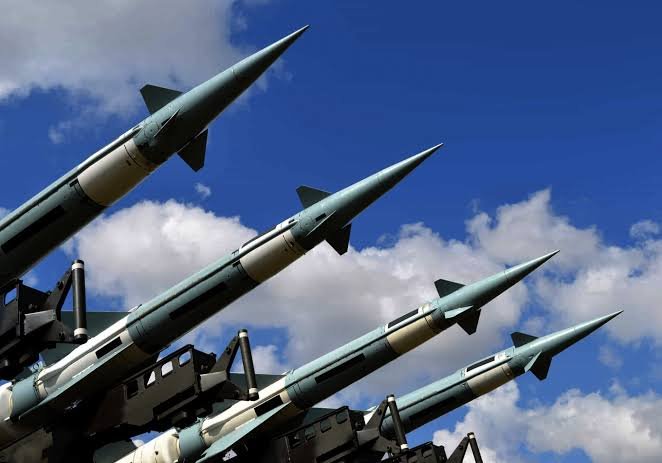
The post-Cold War presumption that nuclear weapons would gradually recede into strategic irrelevance has been thoroughly disproven by contemporary great-power posturing.
NIICE · 8 September 2026
 Book Reviews
Nationalism: A World History is an intellectually adventurous, scholarly, and very much needed intervention to the nationalism research field.
NIICE · 3 September 2026
Climate Change and EnergyThe governance of undersea cable networks is not really well set up, and control is quite split among different parties. The strategic character of undersea cable…
NIICE · 18 August 2026
 Global Governance, Sustainable Development and Smart Cities
Emerging areas in cyber foreign policy are still in a nascent phase due to the fact that advancements in technology outpace international law as well as…
Preethi Amaresh · 8 July 2026