Global Governance, Sustainable Development and Smart Cities
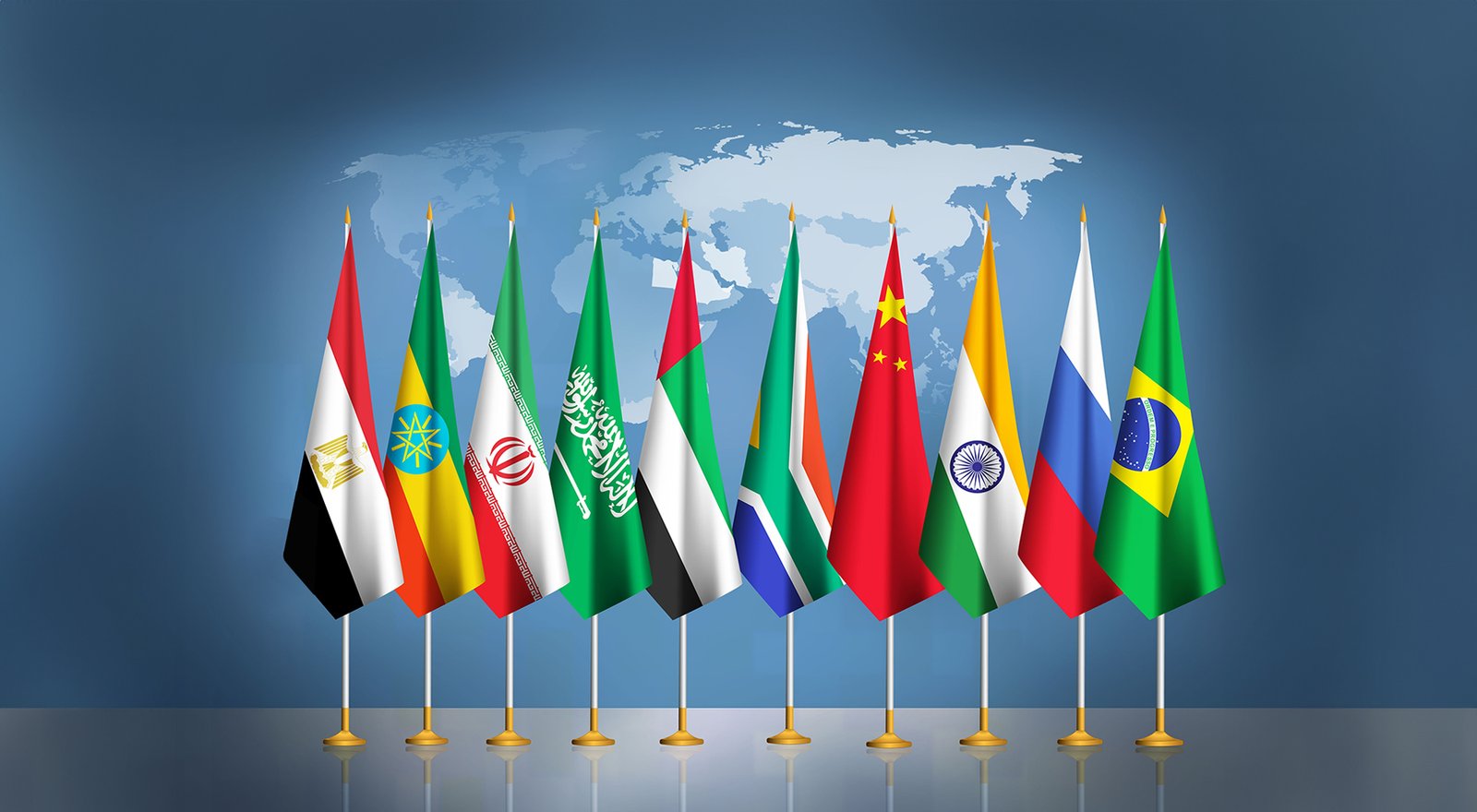
Aside from an unwritten, non-binding consensus on procedures and processes, BRICS may be settling into a more limited role than its founders envisioned
NIICE · 6 July 2026
 Global Governance, Sustainable Development and Smart Cities
India’s agenda in the upcoming session marks a strategic shift from being a passive recipient of norms to advocating a structural blueprint for the Global South
NIICE · 3 July 2026
 Global Governance, Sustainable Development and Smart Cities
South Asia will be better prepared for its next energy shock when electricity moves according to shared rules and resilient infrastructure, rather than temporary surplus and…
NIICE · 27 June 2026
 Global Governance, Sustainable Development and Smart Cities
The US’s policy toward Iran shows laws are for weak states, not powerful states. States can be invaded, giving never-proven allegations, prima facie, in the end,…
NIICE · 30 April 2026
 Global Governance, Sustainable Development and Smart Cities
In understanding today’s world order, it’s imperative that we understand hegemonic theory as a broader set of frameworks and not just as a part of consequences…
NIICE · 19 April 2026
 Global Governance, Sustainable Development and Smart Cities
What Siliguri was to the region a century ago, Gelephu is well positioned to be today.
NIICE · 20 March 2026
Global Governance, Sustainable Development and Smart CitiesIndia’s evolving multilateral role is shaped by the interplay of systemic rivalry, institutional reform demands, and shifting coalitions.
NIICE · 16 February 2026
 Global Governance, Sustainable Development and Smart Cities
While immunity remains a cornerstone of international law, the events of early 2026 suggest that its protection is becoming increasingly fragile.
NIICE · 28 January 2026
 Global Governance, Sustainable Development and Smart Cities
While BRICS is unlikely to transform the global order in the immediate future, it retains a potent capacity to influence the normative environment and sustain pressure…
NIICE · 22 January 2026
 Global Governance, Sustainable Development and Smart Cities
While Germany and India do not align on all international issues, their partnership is increasingly defined by pragmatic convergence rather than ideological conformity.
NIICE · 15 January 2026