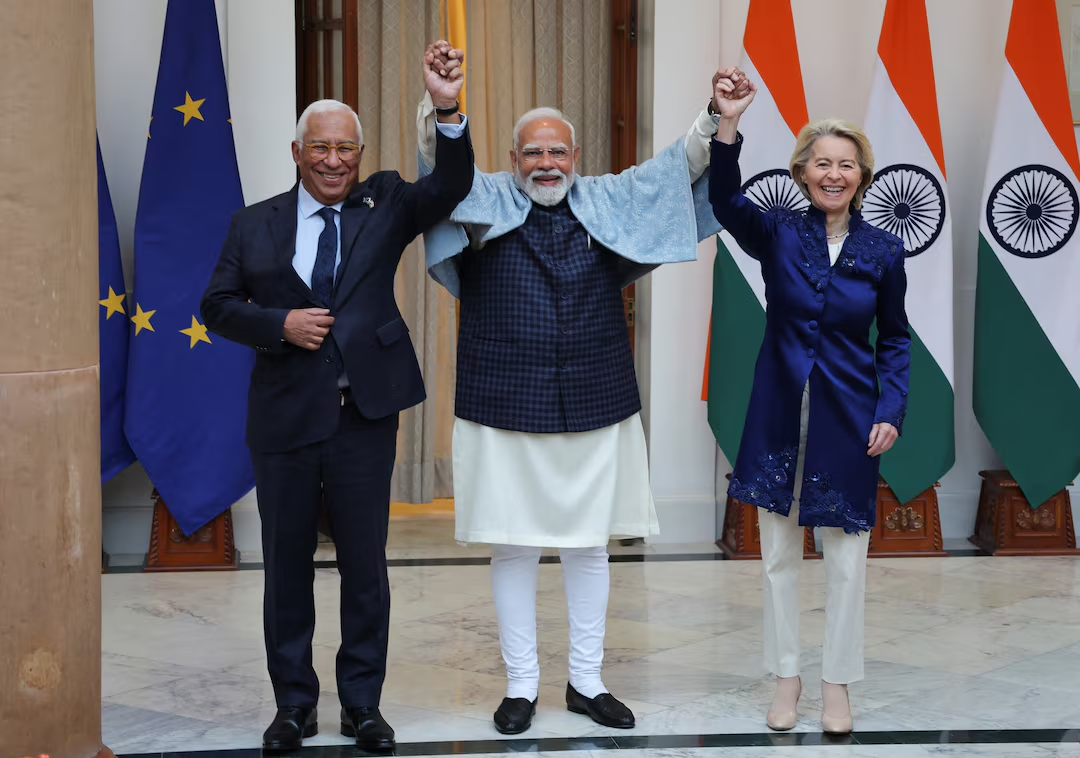
Forged in Crisis: How India and Europe Found Each Other
Europe's relationship with India is a result of the international political pressures faced by both regions. Europe has been under duress since the Russia-Ukraine war, and…
NIICE · 3 June 2026
Europe's relationship with India is a result of the international political pressures faced by both regions. Europe has been under duress since the Russia-Ukraine war, and…
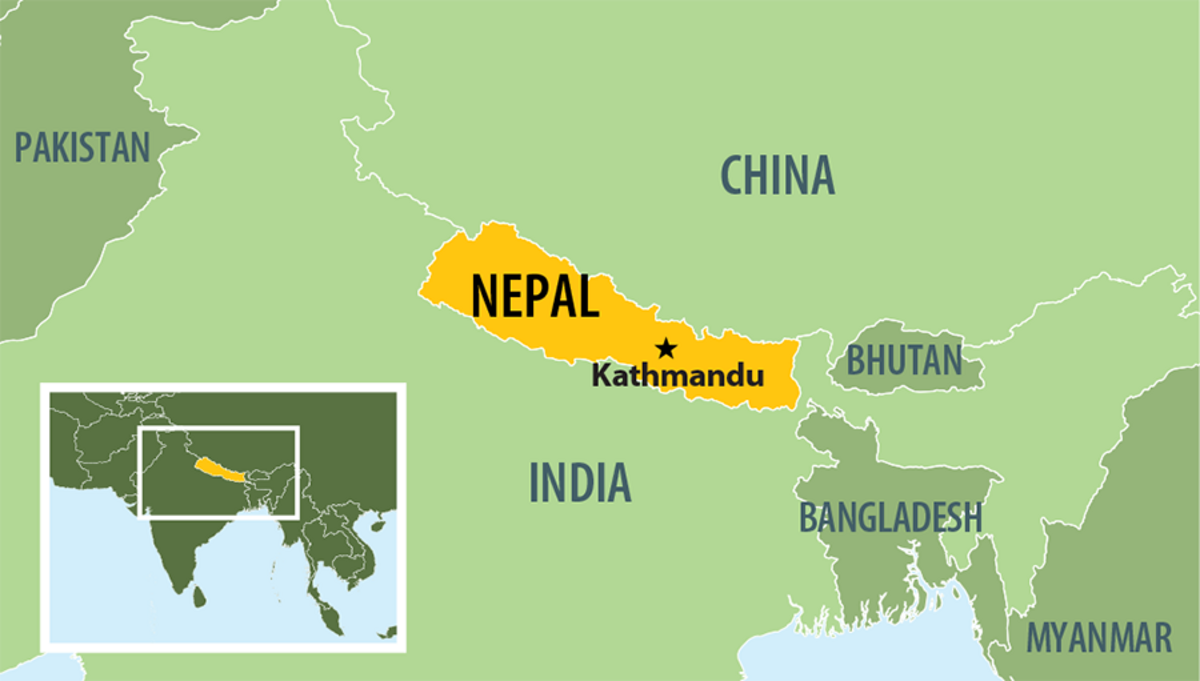
Given the distinctive asymmetric challenges, which reinforce imbalance, Nepal’s experience highlights the limits of viewing strategic neutrality as a symmetrical balancing act between India and China.
In an increasingly multipolar world, Nepal’s strength lies not in rhetorical positioning but in clear-eyed realism, strategic consistency, and the pursuit of national interest grounded in…
Iran remains an important regional partner for India, particularly in the context of long-term energy security and connectivity ambitions. However, positioning Iran in direct strategic equivalence…
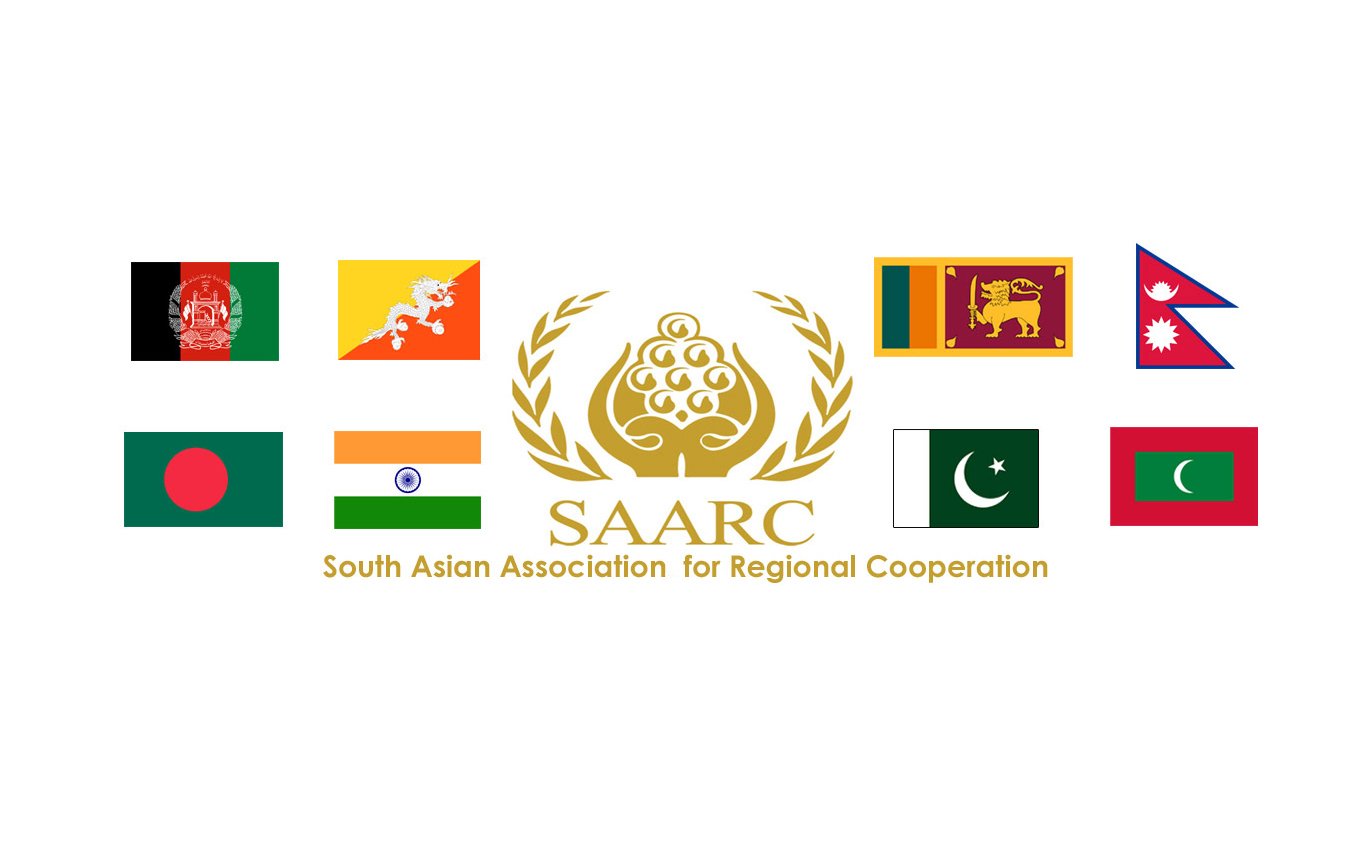
Reinvigorating SAARC needs to underscore mutual interests, economic interaction, and social cooperation coupled with revamping the institutional capacities.
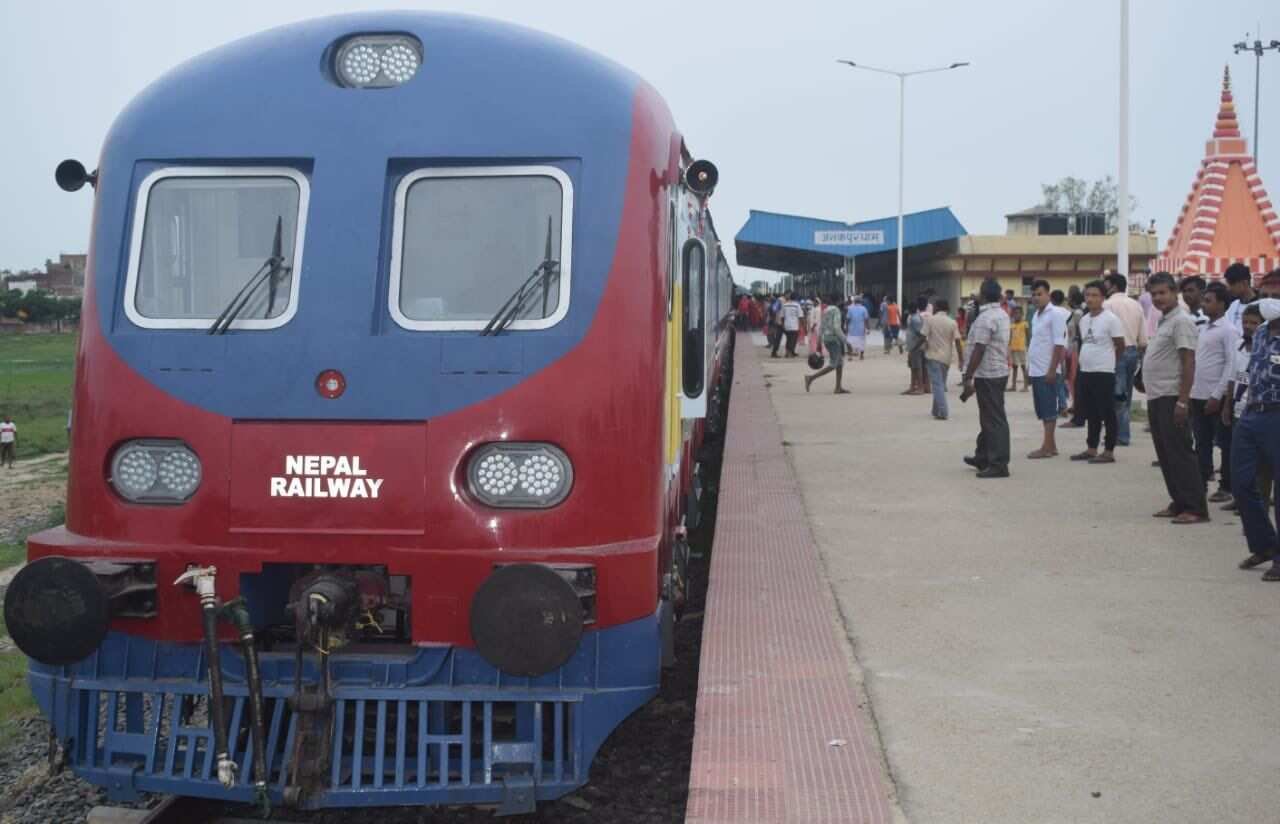
Prime Minister Balen Shah’s Rastriya Swatantra Party (RSP) government inherits both railway proposals and the underlying geopolitical competition they represent.
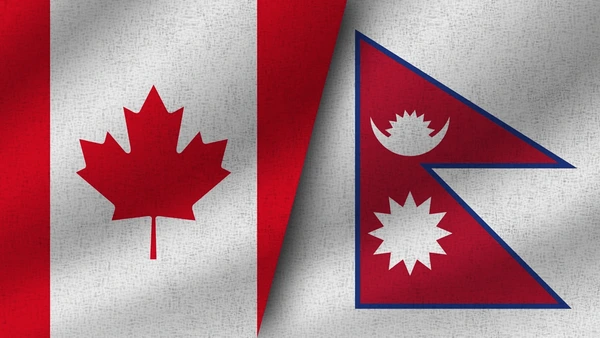
In an era where non-state actors play an increasingly prominent role in international affairs, the Canada–Nepal case illustrates the power of people-centric diplomacy.
The challenge for middle powers is not simply to adapt to evolving geopolitical conditions but to redefine how they exercise influence within it.
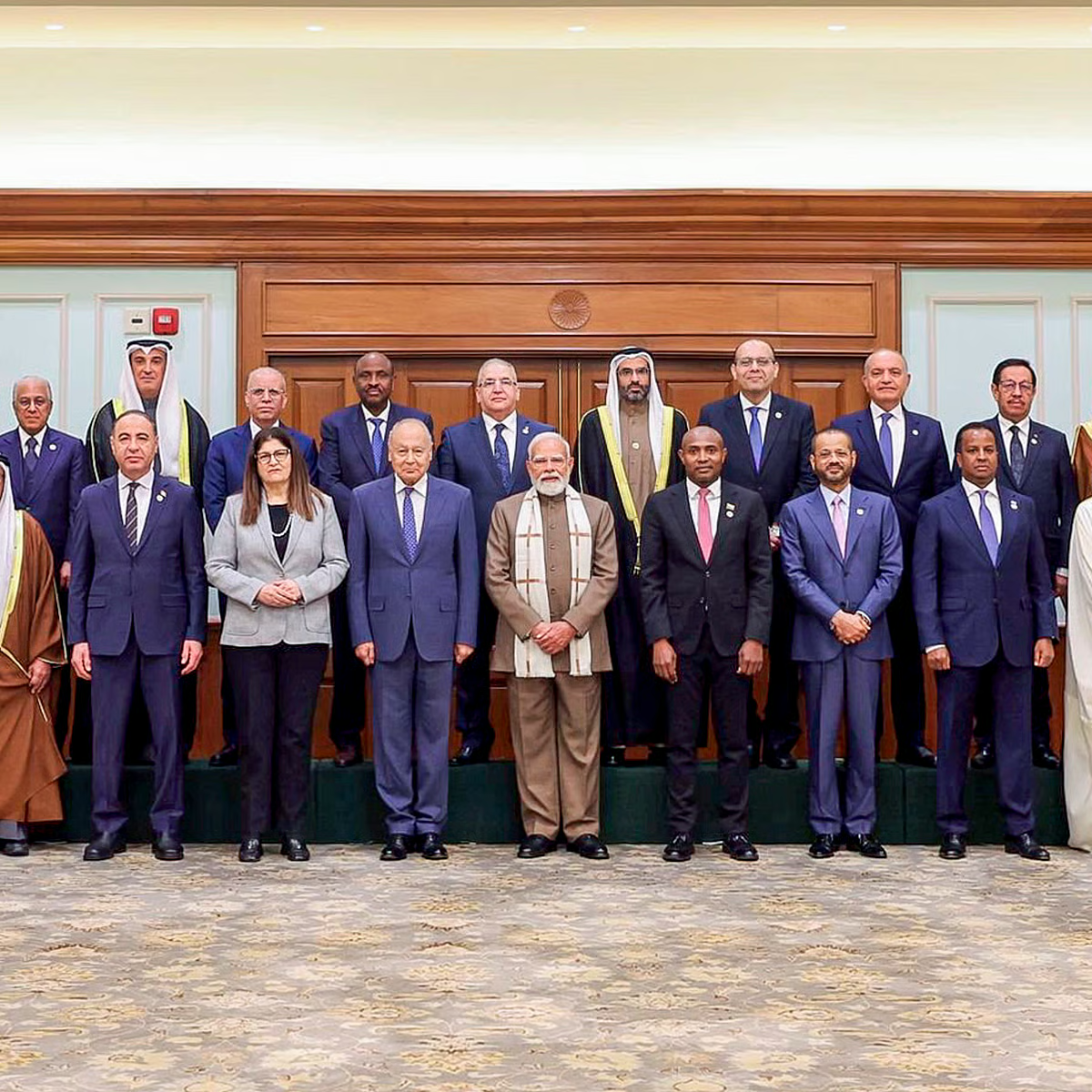
India’s renewed engagement with West Asia reflects a deliberate, pragmatic strategy combining economic, diplomatic, and security dimensions while preserving strategic autonomy.
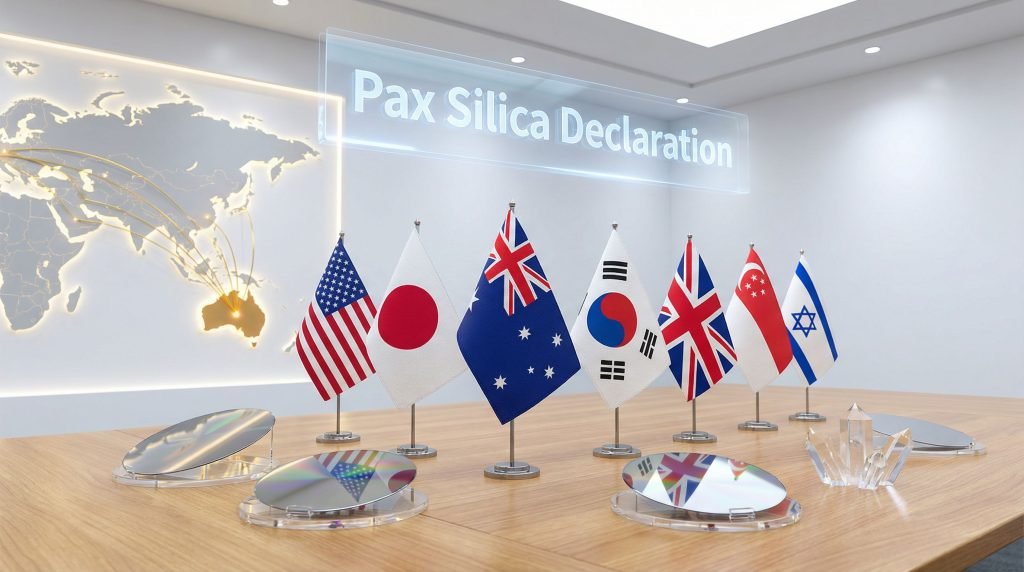
The U.S.–ROK partnership offers a defining case study of 21st-century statecraft. In an era where economic security is inseparable from national security, the management of “Tariff-for-Tech”…