NEIGHBOURHOOD STUDIES
In an era where non-state actors play an increasingly prominent role in international affairs, the Canada–Nepal case illustrates the power of people-centric diplomacy.
NIICE · 29 March 2026
 NEIGHBOURHOOD STUDIES
The challenge for middle powers is not simply to adapt to evolving geopolitical conditions but to redefine how they exercise influence within it.
NIICE · 27 March 2026
 NEIGHBOURHOOD STUDIES
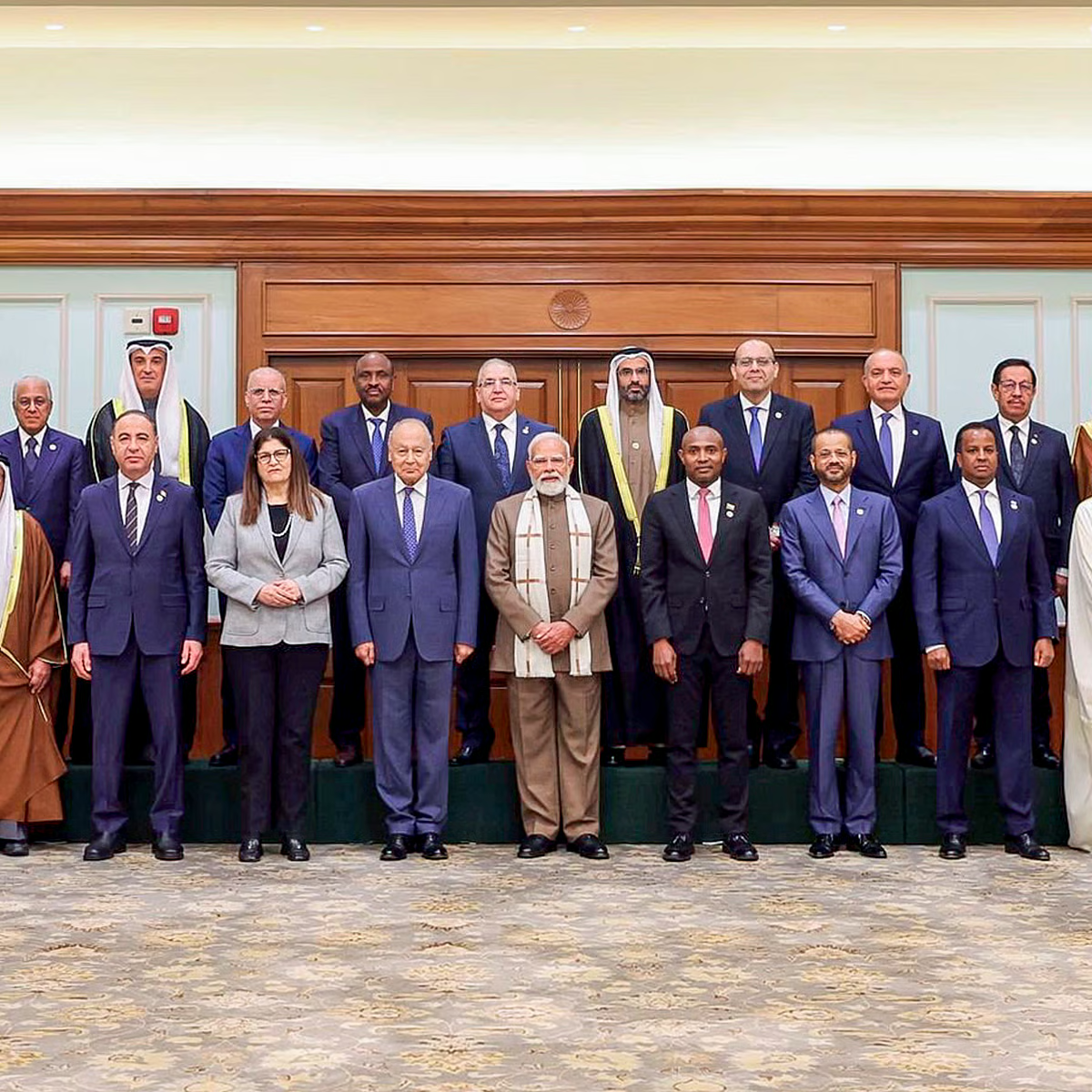
India’s renewed engagement with West Asia reflects a deliberate, pragmatic strategy combining economic, diplomatic, and security dimensions while preserving strategic autonomy.
NIICE · 22 March 2026
 NEIGHBOURHOOD STUDIES
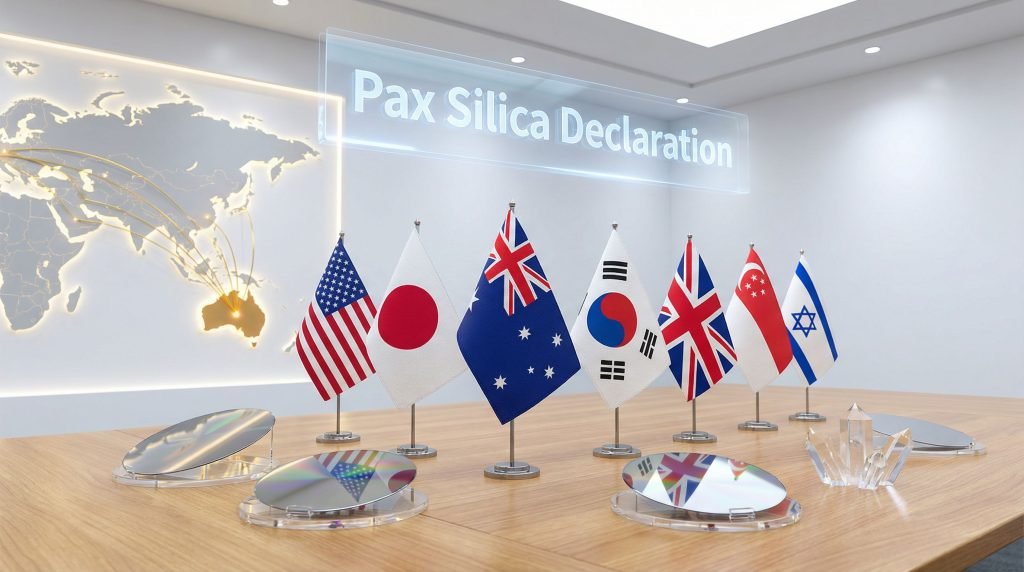
The U.S.–ROK partnership offers a defining case study of 21st-century statecraft. In an era where economic security is inseparable from national security, the management of “Tariff-for-Tech”…
NIICE · 18 March 2026
 NEIGHBOURHOOD STUDIES
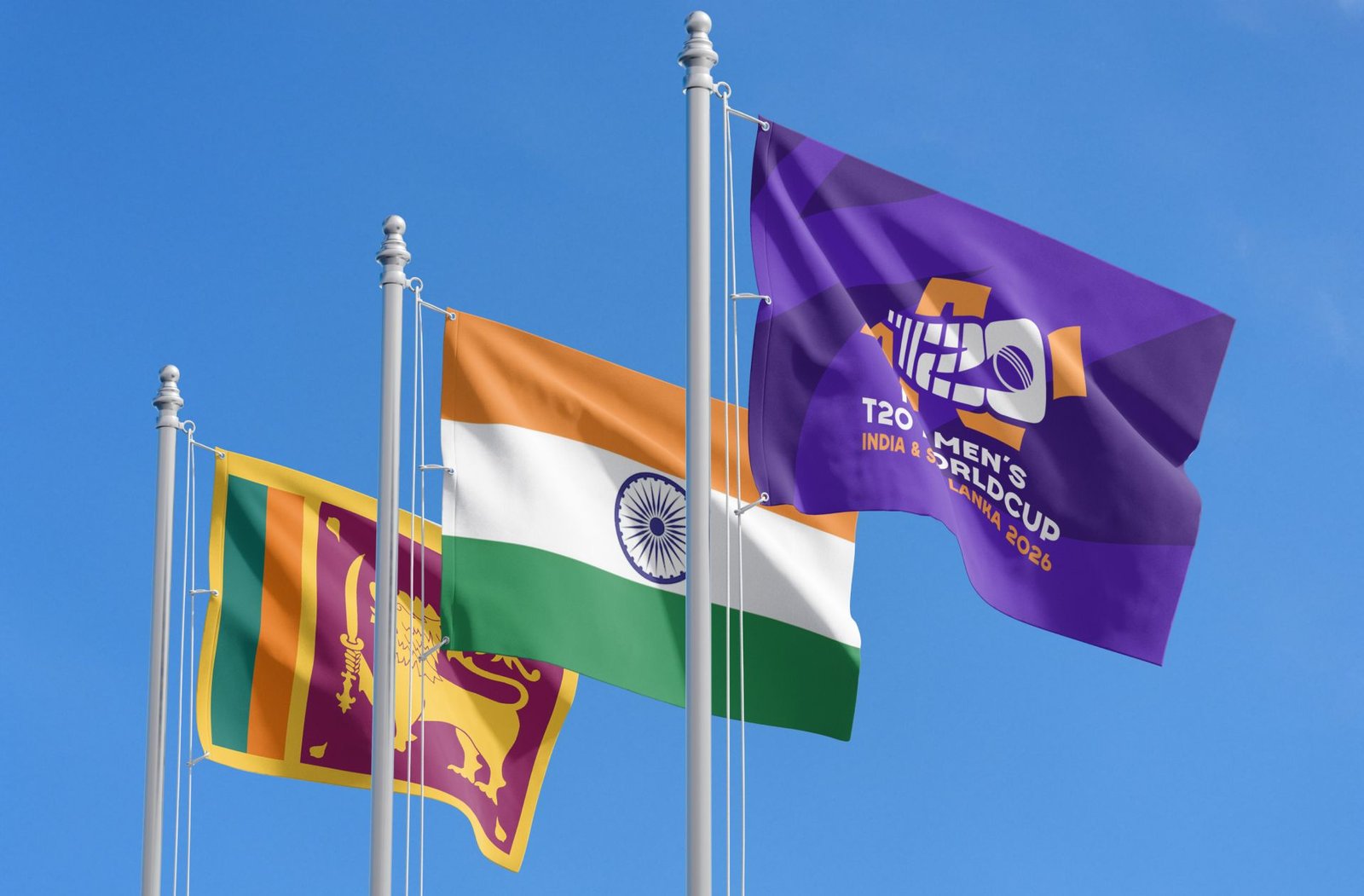
By recognising cricket as a domain of constructive engagement in an era otherwise defined by contestation in high politics, New Delhi can harness its symbolic and…
NIICE · 17 March 2026
 NEIGHBOURHOOD STUDIES
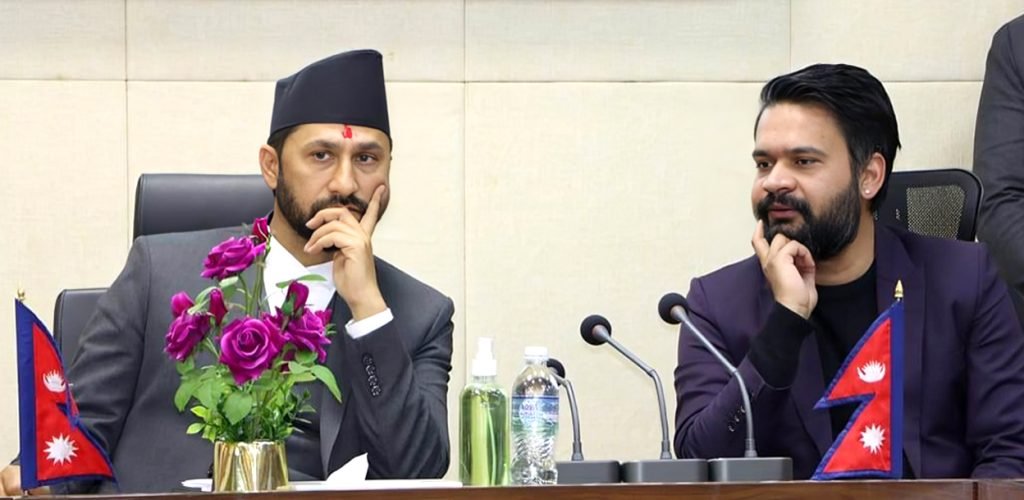
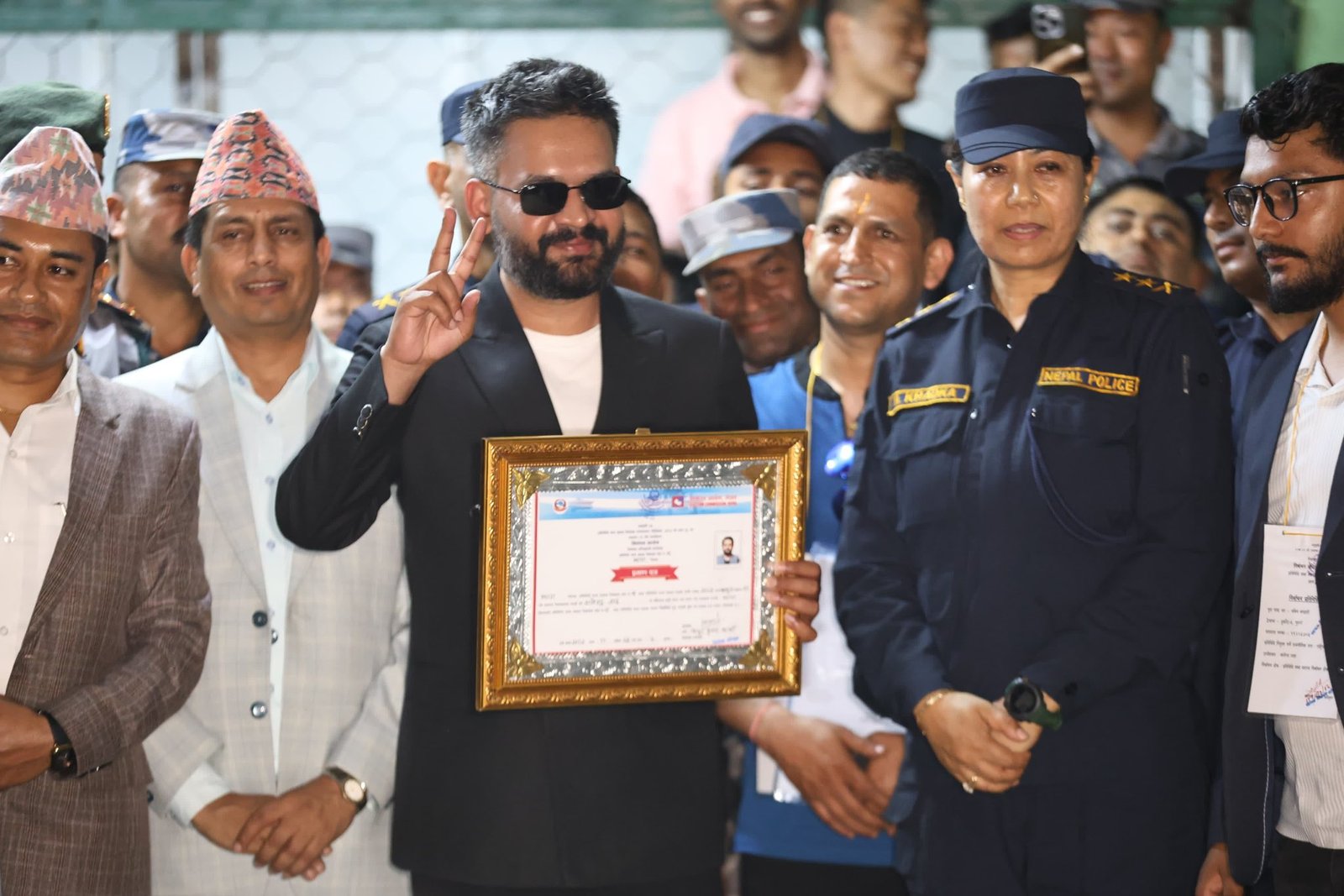
The meteoric rise of Rabi Lamichhane and Balen Shah has now sidelined the many established figures and political parties, heralding the ‘Rabi-Balen’ era.
NIICE · 16 March 2026
NEIGHBOURHOOD STUDIESIn 2017, during the elections, Balen wrote on social media I am an engineer, and I know how to build a country. At that time, no…
NIICE · 15 March 2026
 INDO-PACIFIC AFFAIRS
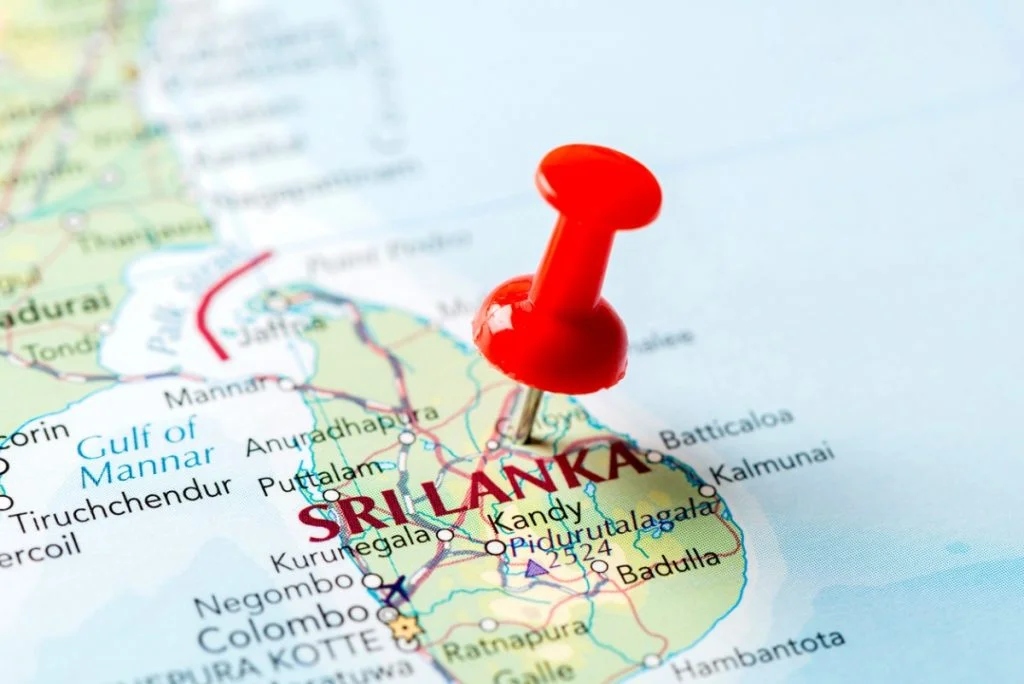
Sri Lanka exemplifies how a small, strategically located state can influence regional geopolitics. Its geography, natural harbors, energy infrastructure, and multi-alignment strategy enhance its relevance in…
NIICE · 27 February 2026
 CHINA STUDIES
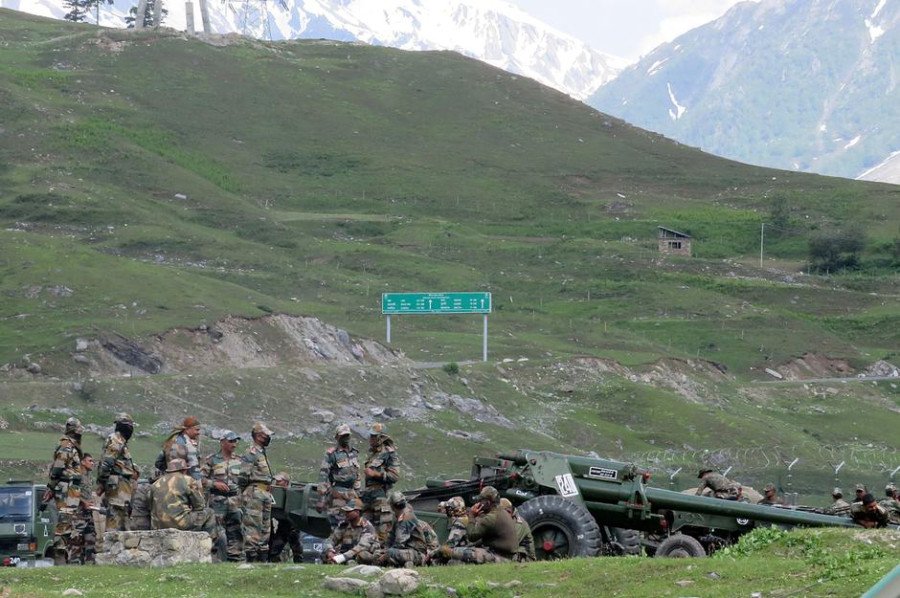
India’s post-Galwan strategy is one of "calibrated persistence." It recognizes that the era of cooperation is being replaced by an era of contested regionalism.
NIICE · 24 February 2026
 Book Reviews
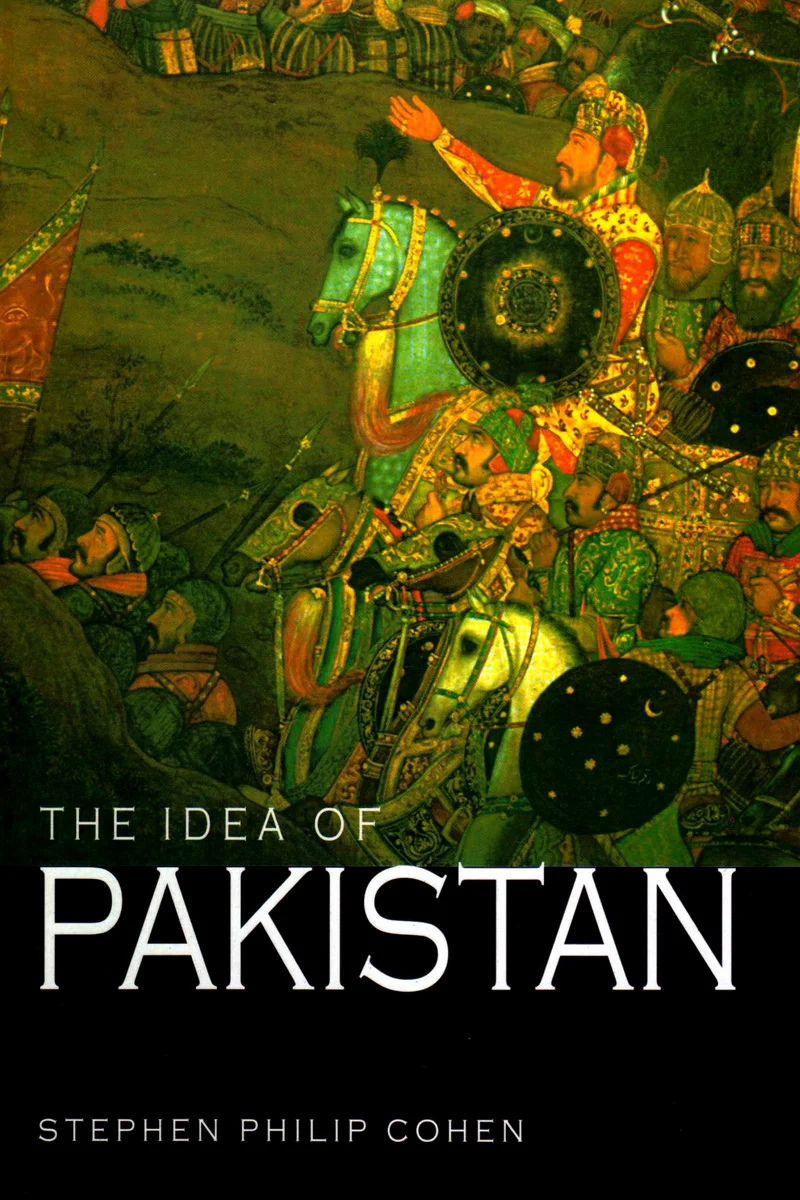
The Idea of Pakistan is a historical retrospection and a prognostic message. It forces readers to contend with paradoxes of a state based on an idea…
NIICE · 20 February 2026