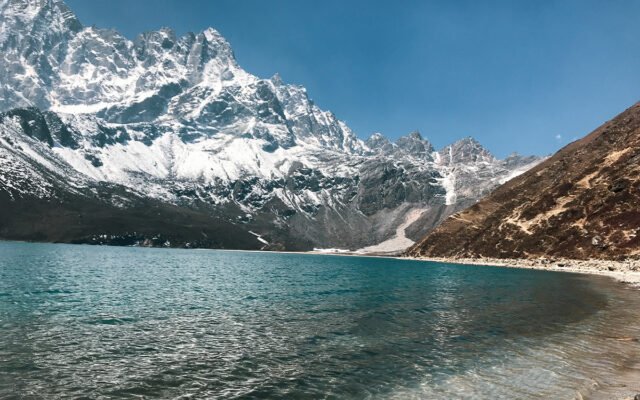
Nepal’s Water Paradox: A Country of Rivers Running Short of Water
Nepal doesn't need to get richer in water, it needs to get smarter about the water it already has.
NIICE · 25 September 2026
Nepal doesn't need to get richer in water, it needs to get smarter about the water it already has.
Amidst these global challenges, the Bay of Bengal Initiative for Multi-Sectoral Technical and Economic Cooperation (BIMSTEC) has entered its long-delayed Agreement on Maritime Transport Cooperation (AMTC)…
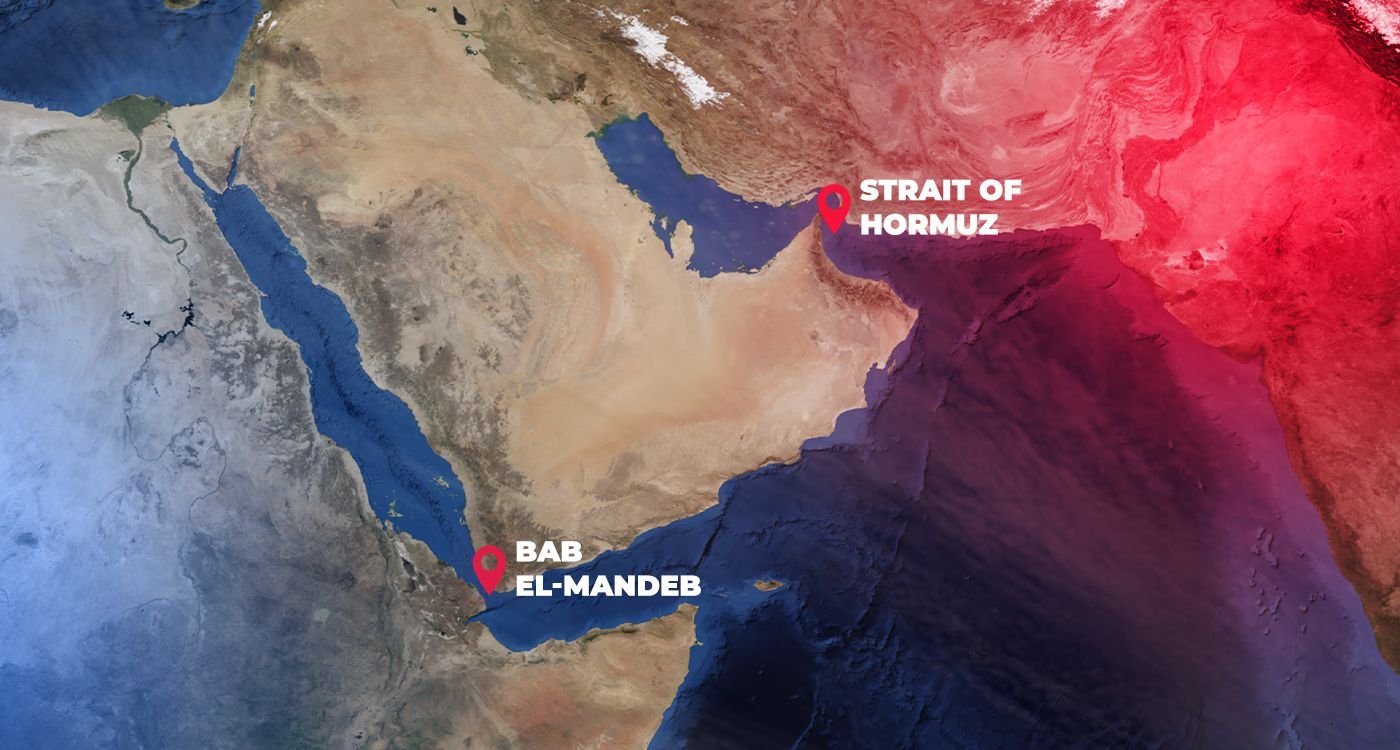
The twin chokepoint crisis at the Strait of Hormuz and Bab el-Mandeb illustrates the profound ways in which regional conflict can disrupt global trade and economic…
The UK-led talks on the Middle East situation are productive and optimistic as it brings diverse stakeholders to address the issues of common security of global…
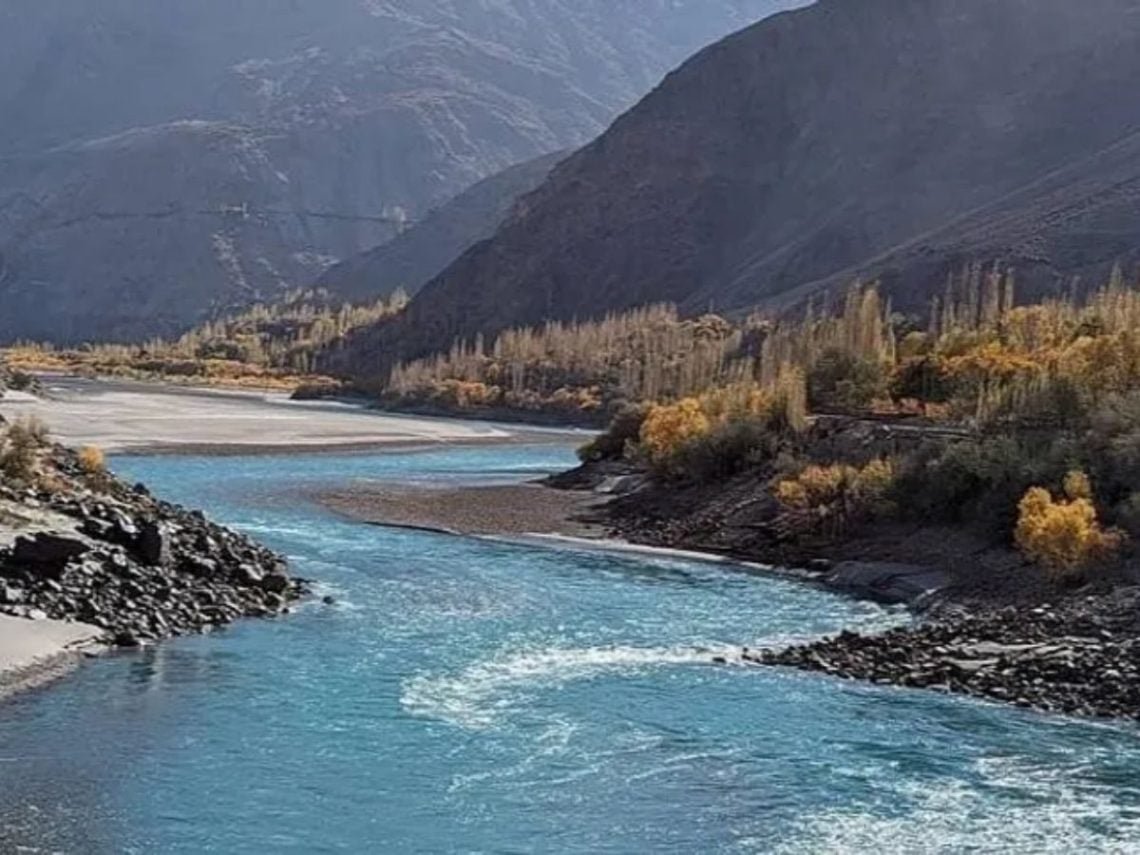
Whether the Kunar River becomes a frontier of confrontation or a conduit of cooperation will depend on how regional actors interpret sovereignty, whether as unilateral control…
The region will have to choose: will the blue economy form a connective tissue or a new fault line between prosperity and dependency?
As nations increasingly depend on large dams along shared rivers to counteract the effects of climate change, international water law plays a crucial role in ensuring…
Nepal’s hydropower potential holds the key to transforming South Asia’s energy landscape, driving economic growth and regional connectivity through clean energy.
China's role as the upper riparian, controlling much of Asia's water resources, complicates collaboration, particularly with India, due to geopolitical tensions and a lack of institutional…
Consistent participation of stakeholders is required to address water security issues in the Mekong River basin.