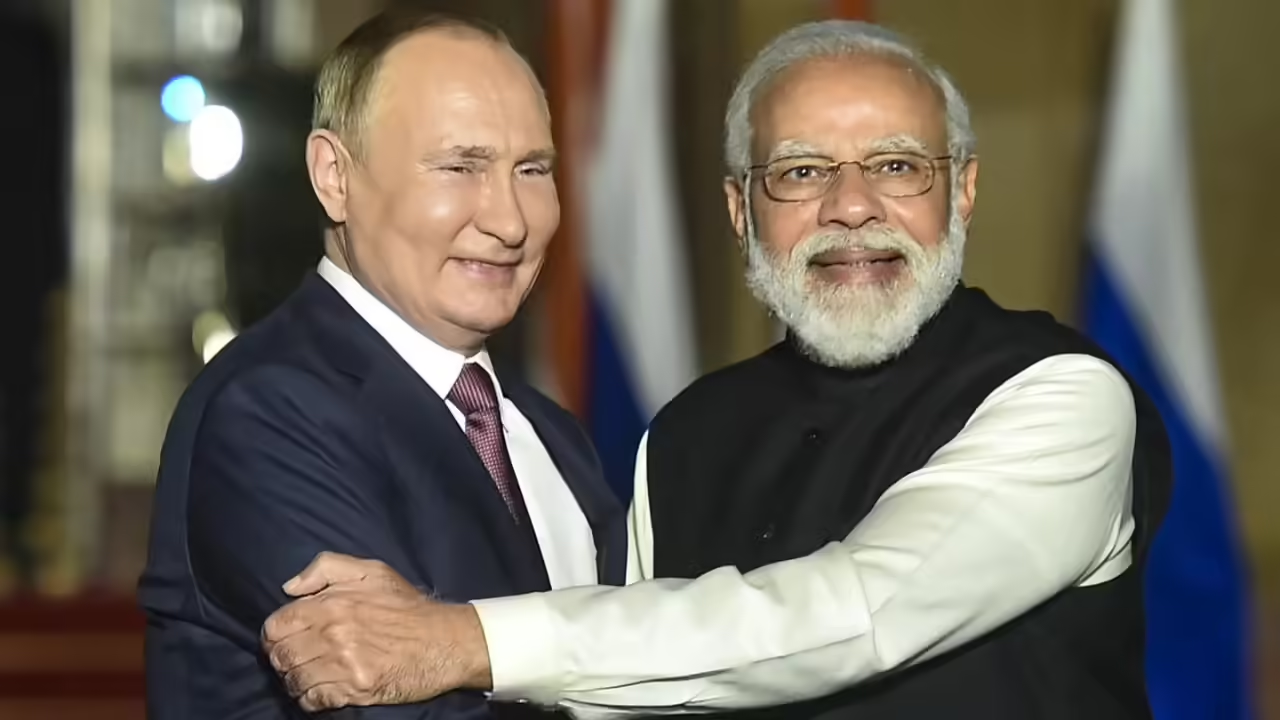
 Defence and Security
The RELOS Pact represents continuity in India-Russia defence cooperation and reflects both countries’ pragmatic recognition of shared interests.
NIICE · 19 January 2026
 Defence and Security
The operation's hemispheric implications extend beyond Venezuela. Colombia mobilized border forces anticipating refugee flows, while Guyana—facing Venezuelan territorial claims—maintained muted support.
NIICE · 18 January 2026
 Refugee and Migration
Bangladesh, with its young population and growing economy, stands at a turning point. The real challenge is not whether people will move — they will —…
NIICE · 17 January 2026
 NEIGHBOURHOOD STUDIES
Aragalaya pierced authoritarian carapace tactically yet required elite defection for durability; street power compels responsiveness but cannot unilaterally rewrite constitutional political economy.
NIICE · 16 January 2026
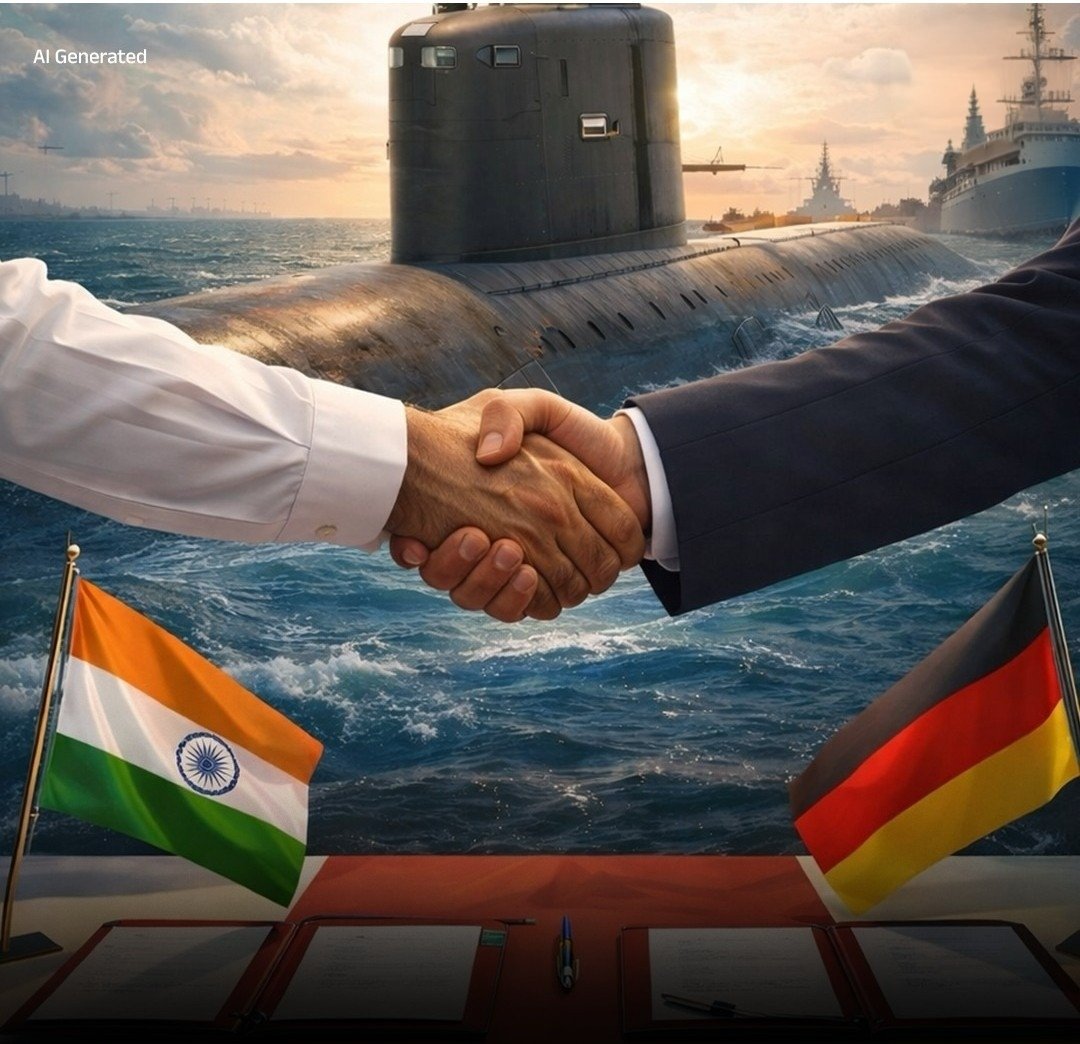 Global Governance, Sustainable Development and Smart Cities
While Germany and India do not align on all international issues, their partnership is increasingly defined by pragmatic convergence rather than ideological conformity.
NIICE · 15 January 2026
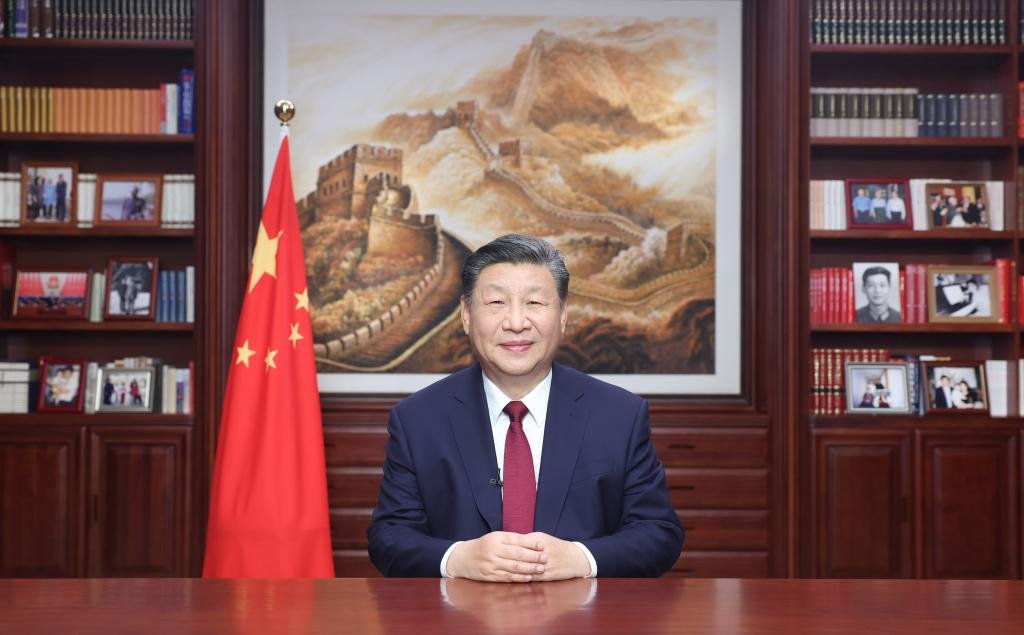 CHINA STUDIES
As the eve of 31st December set in, President Xi Jinping sent his wishes all across China from Beijing. President Xi’s 2026 New Year's Address touched…
NIICE · 9 January 2026
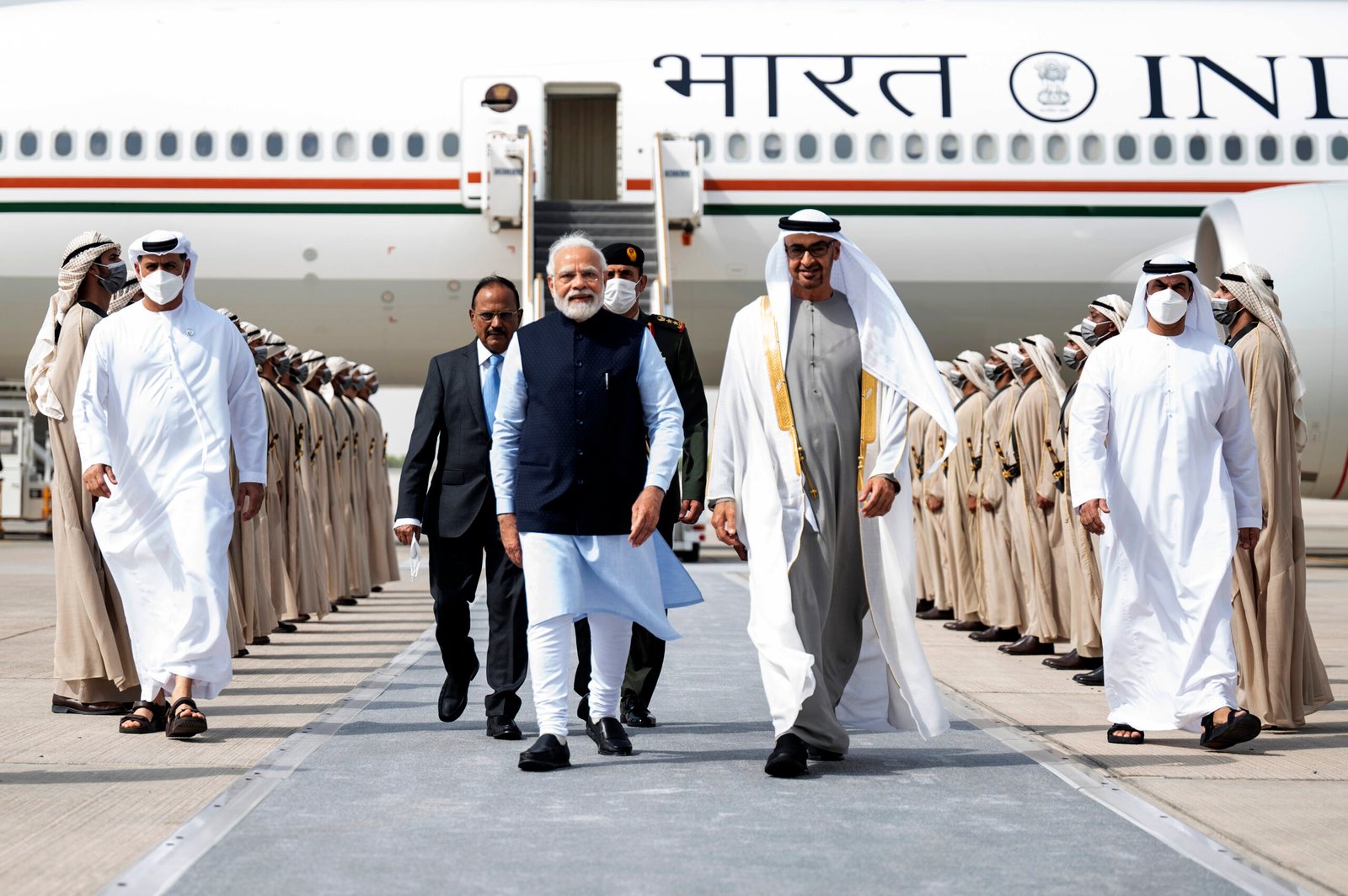 Global Governance, Sustainable Development and Smart Cities
India’s renewed engagement with West Asia reflects a deliberate, pragmatic, and multidimensional strategy in West Asia, emphasizing economic, strategic, and diplomatic interests while preserving its long-standing…
NIICE · 8 January 2026
 International Economy and Development
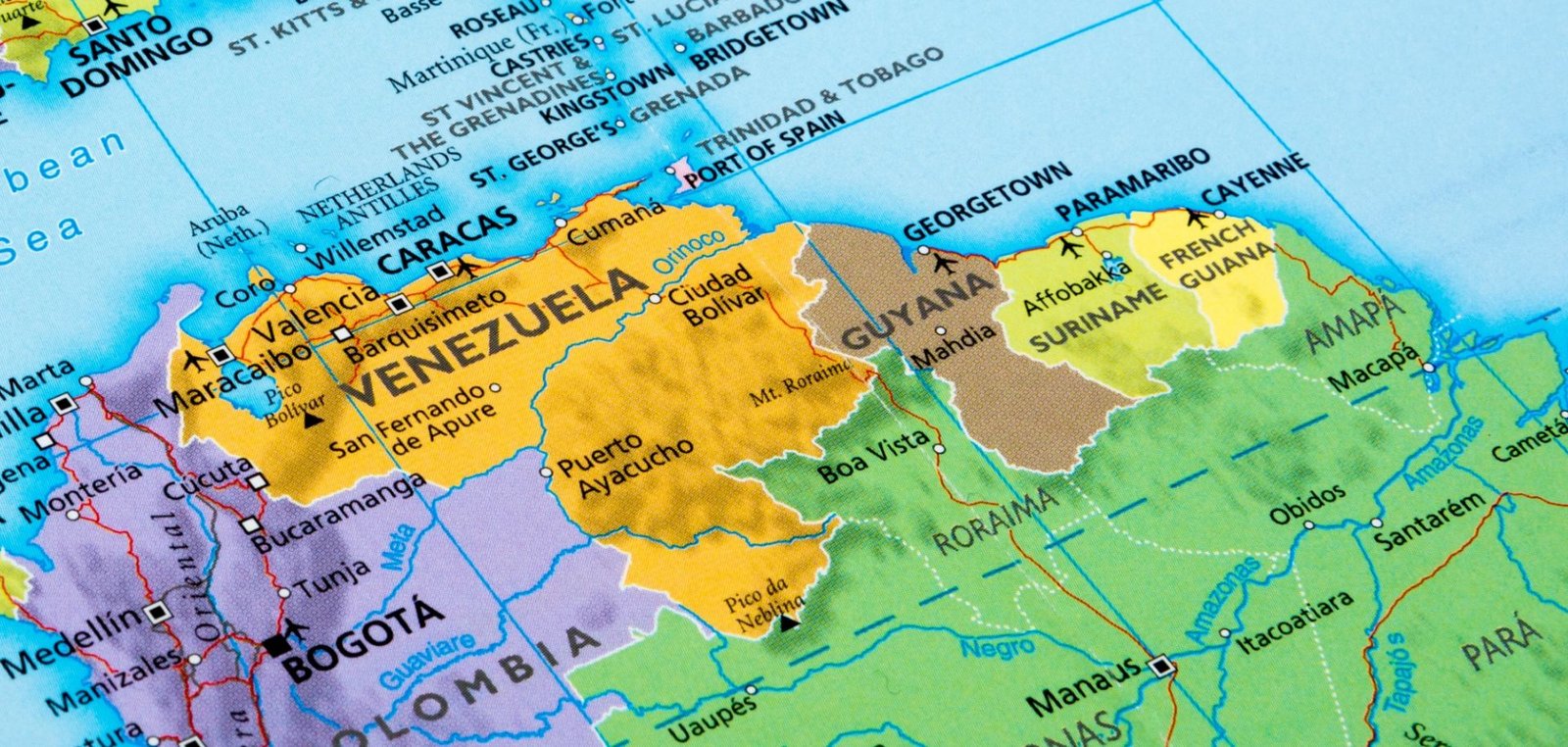
Lasting change in Venezuela depends on rebuilding institutions, restoring economic credibility, and fostering inclusive political participation. External pressure alone is unlikely to deliver sustainable reform.
NIICE · 7 January 2026
 NEIGHBOURHOOD STUDIES
Mamdani’s example offers not a script to follow, but the confidence to claim agency. It expands what feels possible: that South Asian youth—whether in Dhaka, Delhi,…
NIICE · 3 January 2026
 NEIGHBOURHOOD STUDIES
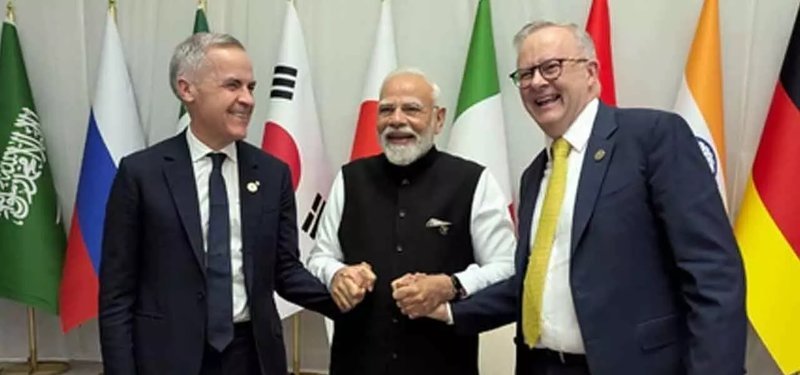
The trilateral pact, including both India and Canada, only adds to the recalibrated relationship that countries have begun to have with each other
NIICE · 30 December 2025
 International Economy and Development
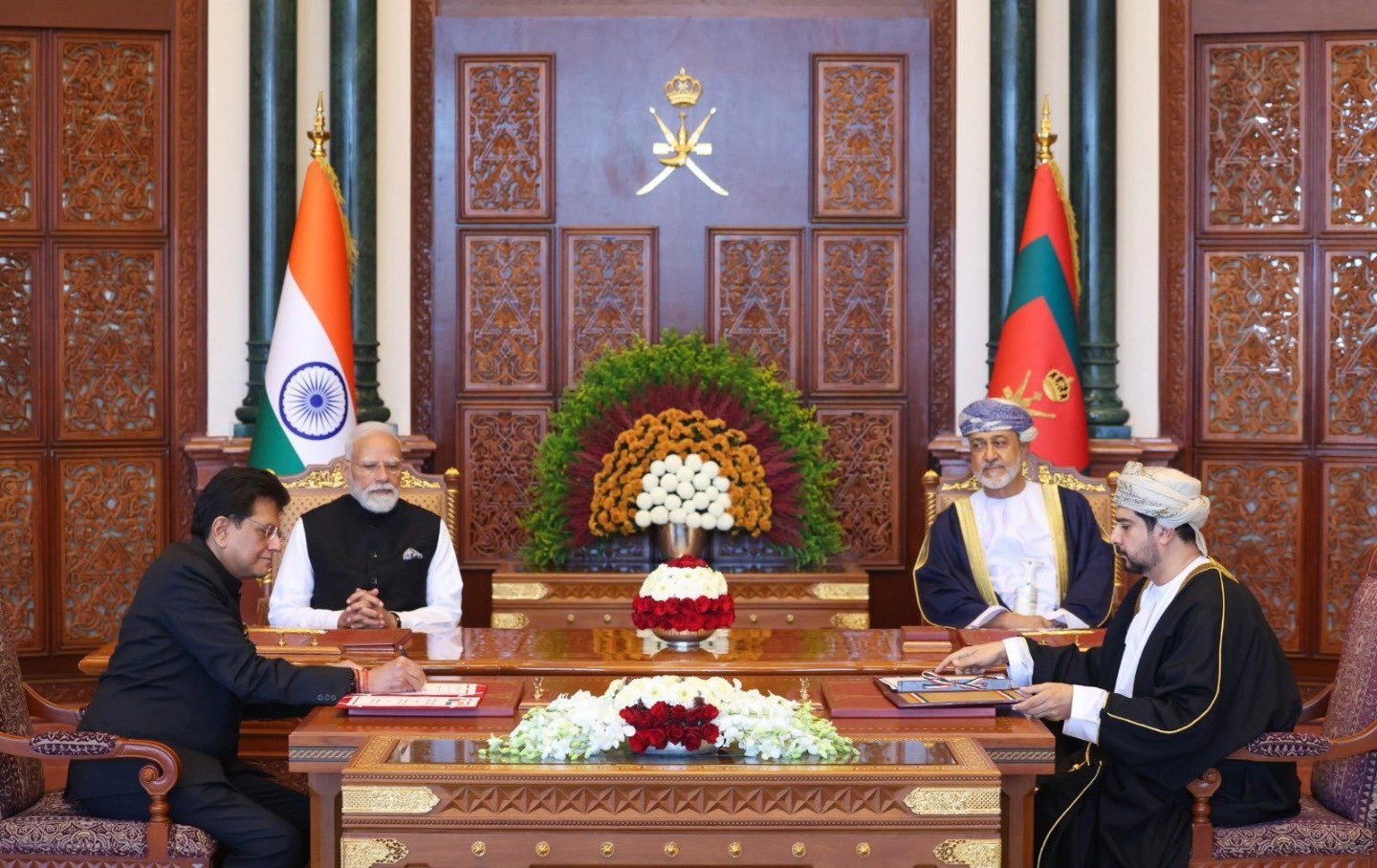
The India–Oman CEPA is more than a trade facilitation exercise. It represents a strategic investment in long-term regional engagement, combining economic pragmatism with geopolitical foresight.
NIICE · 28 December 2025
 Defence and Security
Multiple expirations of treaties, institutional undermining, multipolar nuclear relations, and new technological developments present a grim outlook of global nuclear arms control by 2026.
NIICE · 26 December 2025