 Disaster Management
Navigating disaster management in Asia demands a comprehensive strategy that addresses risk reduction, preparedness, response, and recovery in a holistic manner.
NIICE · 21 May 2024
 International Economy and Development
The supreme leader in Iran, Khamenei, is currently 85 years old, and the succession process is characterized by political rivalry and a lack of transparency. Raisi,…
NIICE · 20 May 2024
 Climate Change and Energy
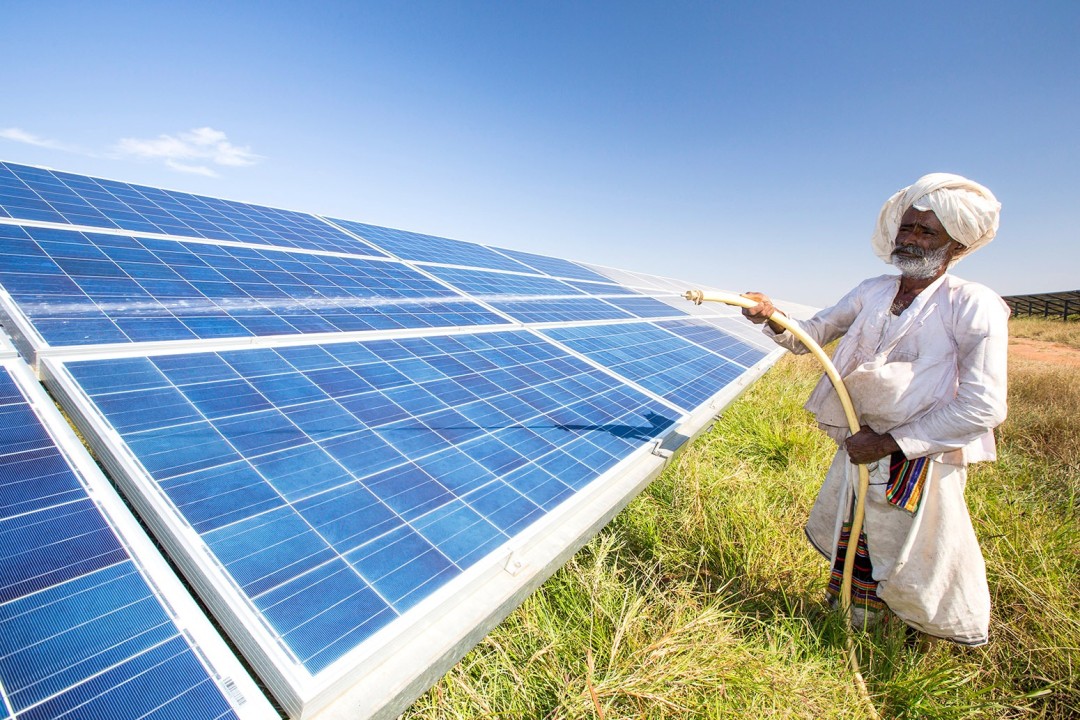
The Government of India has over the years tried to take measures to transition to renewable energy but still, the question arises that why are we…
NIICE · 12 May 2024
 INDO-PACIFIC AFFAIRS
The Philippines should capitalize on ASEAN chairmanship to advance internal political reform, especially ASEAN’s stance on pressing issues that affect its members.
NIICE · 10 May 2024
 NEIGHBOURHOOD STUDIES
The utility of the ongoing conversation between India and Pakistan through public channels should not be underestimated. Perhaps other kinds of contact could become more active…
NIICE · 7 May 2024
 INDO-PACIFIC AFFAIRS
Despite several maritime incidents, the countries did not give up their patience and calm for long-term growth and prosperity. So, the Western Pacific Naval Symposium is…
NIICE · 5 May 2024
 INDO-PACIFIC AFFAIRS
Indo-Pacific will help India economically accentuate its purpose to create free trade movement and connectivity, but the US-led initiative Indo-Pacific Economic Framework for Prosperity (IPEF) excludes…
NIICE · 3 May 2024
 Disaster Management
Nepal is vulnerable to natural disasters and it requires serious proactive measures to reduce risks and strengthen its resilience after disasters.
NIICE · 1 May 2024
 Disaster Management
President Ford’s order to vacate Saigon’s orphanages demonstrated a benevolent, if not poorly constructed, sense of duty. If the administration had matched those upright intentions with…
NIICE · 10 April 2024
 NEIGHBOURHOOD STUDIES
India's endeavor to develop its own indigenous democracy index represents a significant step towards asserting autonomy and self-determination.
NIICE · 8 April 2024