
Pax Silica: The Cost of Being Chosen
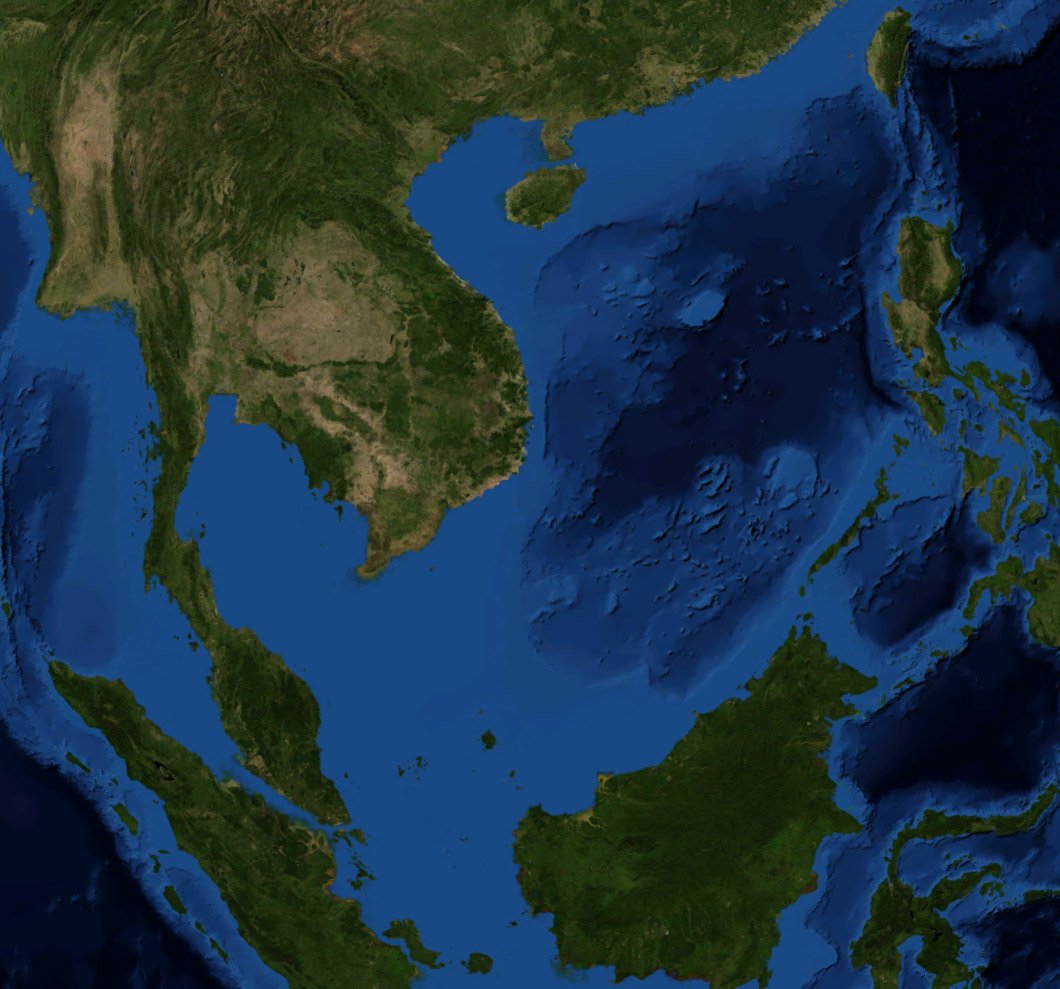
Whether Pax Silica strengthens or weakens the geopolitical standing of the Philippines depends more on how Manila leverages its frontline role.
NIICE · 30 August 2026
Indo-Pacific Affairs has emerged as a major center of geo-strategic interest. As a political and strategic concept, it has gradually established in the foreign policy lexicon of some countries, especially the United States, India, Japan and Australia. Center for Indo-Pacific Affairs focus on Southeast Asia, the South Pacific and the Indian Ocean.
Whether Pax Silica strengthens or weakens the geopolitical standing of the Philippines depends more on how Manila leverages its frontline role.
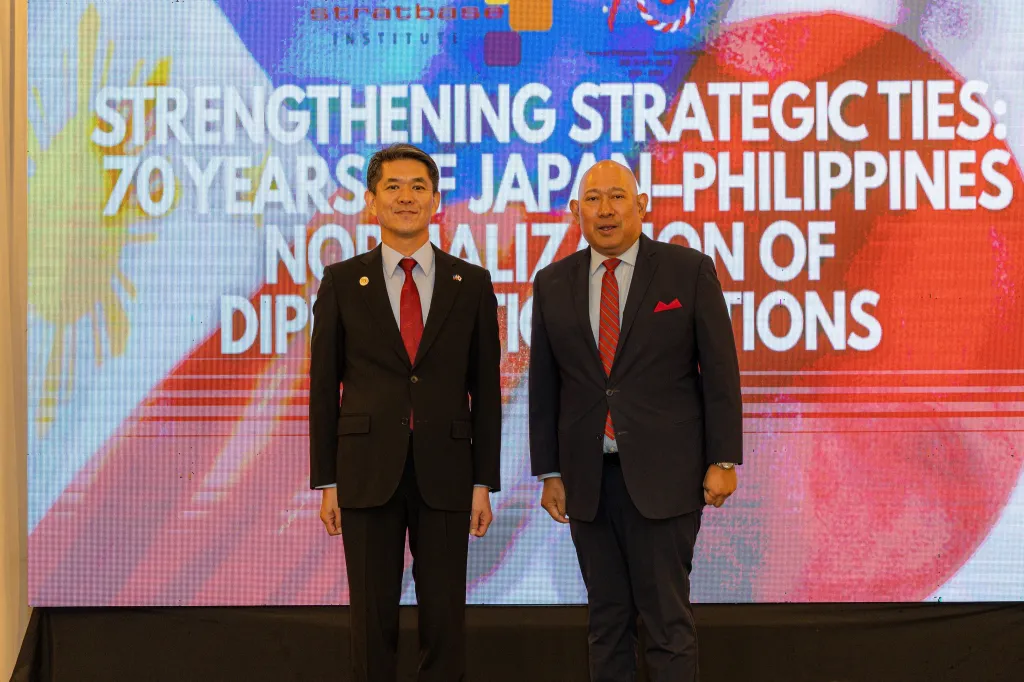
Seventy years after establishing diplomatic relations, the Philippines and Japan have built one of Asia's most durable bilateral partnerships. The next seventy years, however, will demand…
On June 16, 2026, the Pentagon dropped "Indo" from INDOPACOM, reverting to the pre-2018 name Pacific Command.
Japan’s immigration framework diverges from a Western-style open-door policy. It embodies a unique regime of strict and conditional inclusion that treats foreign workers primarily through the…
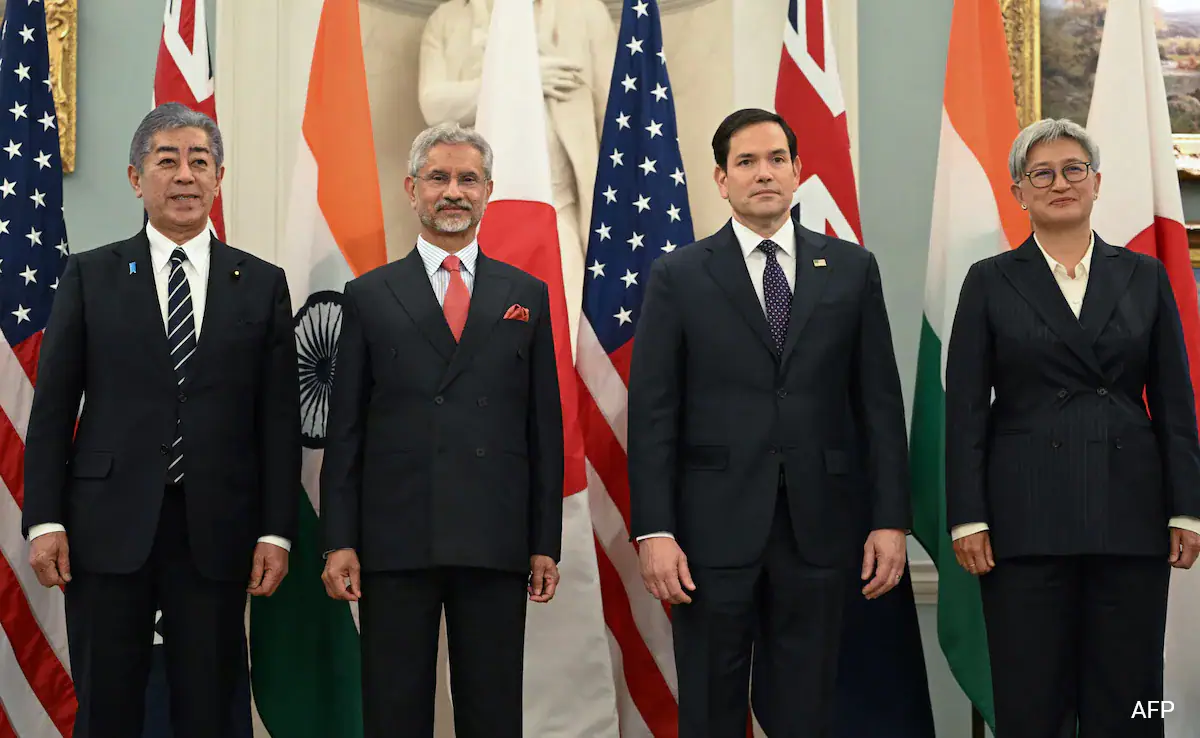
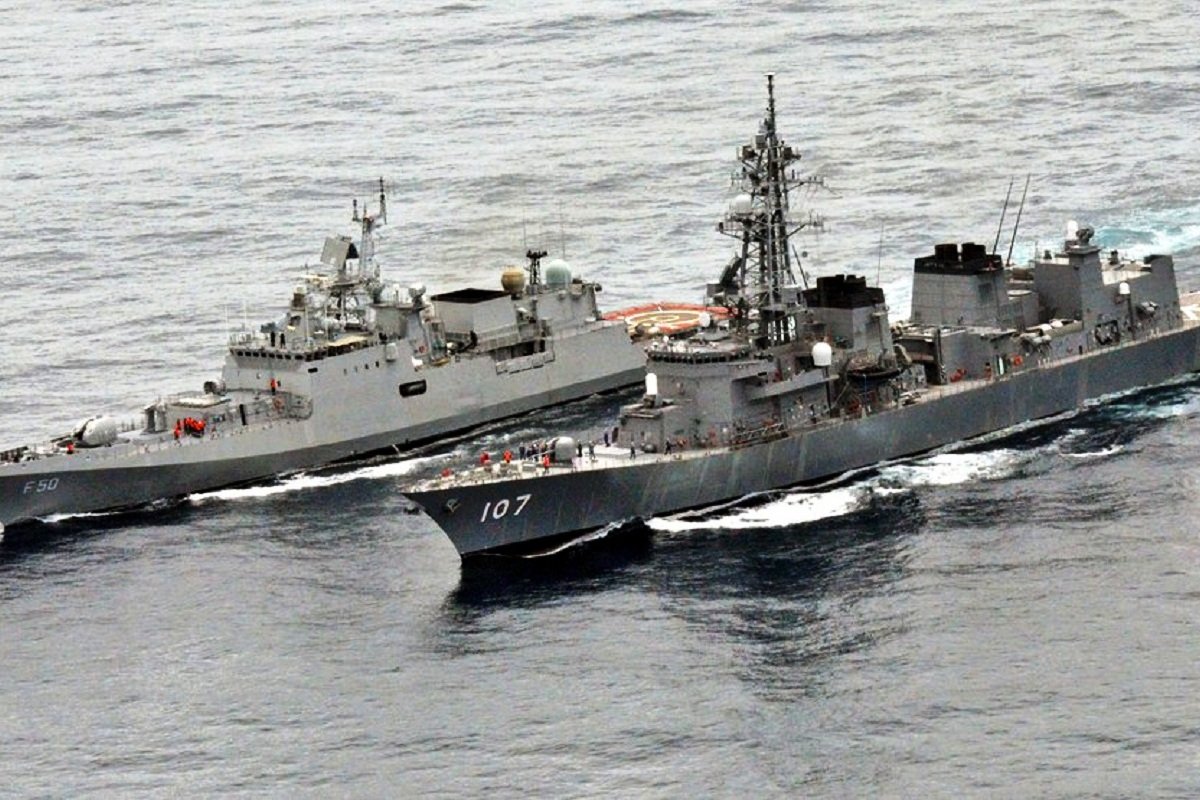
Quad enables India to pursue its strategy of multi-alignment while preserving strategic autonomy.
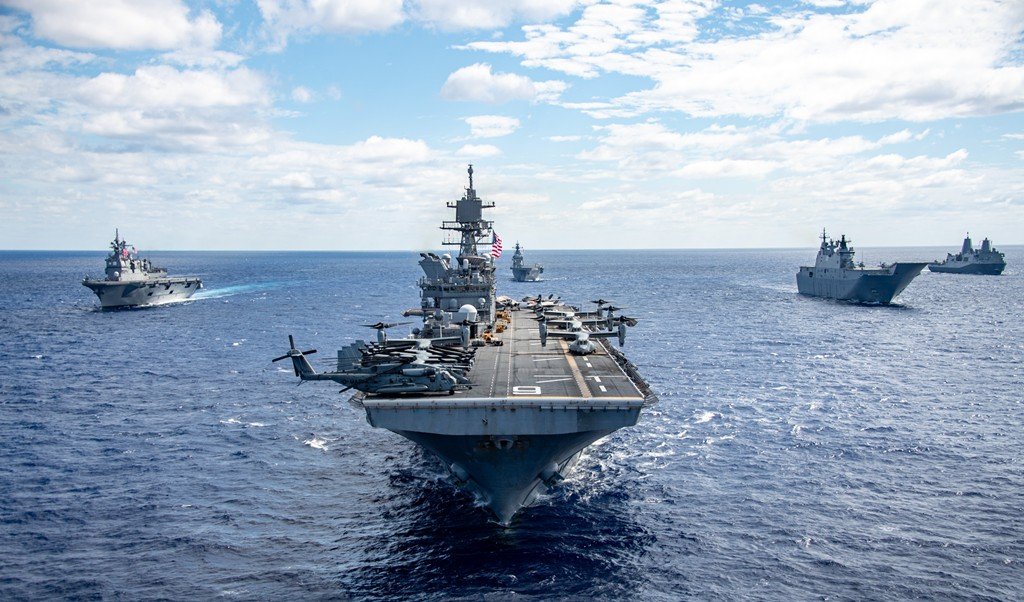
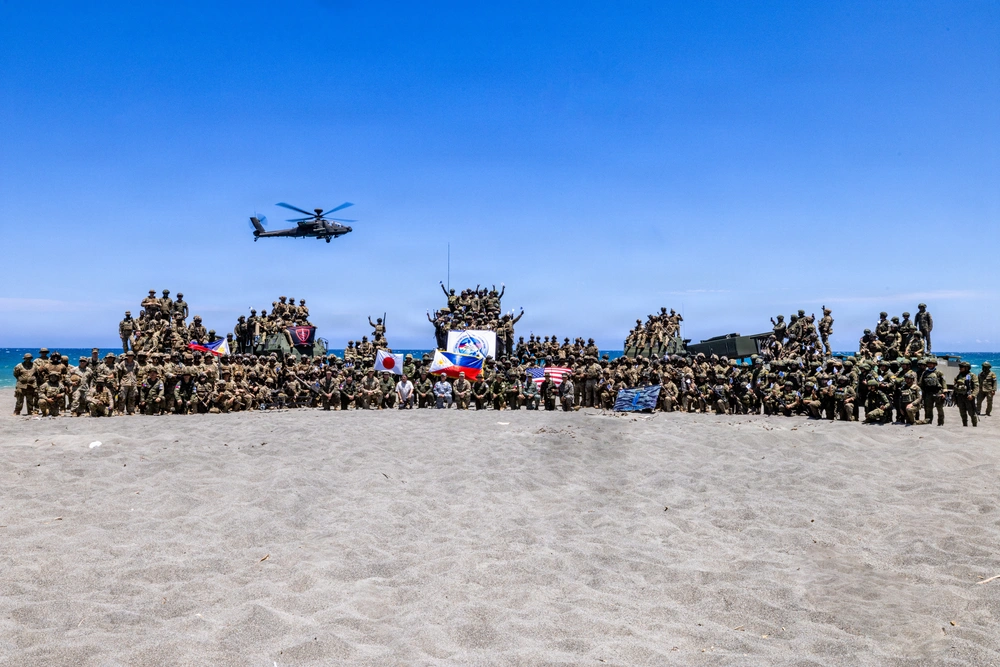
The Philippines' previous lack of military capacity not only fostered dependence on the US but also raised concerns in Washington that the Philippines might leverage the…
The China-Taiwan relationship is not a problem to be "solved" in the short term, but a crisis to be "managed" indefinitely.
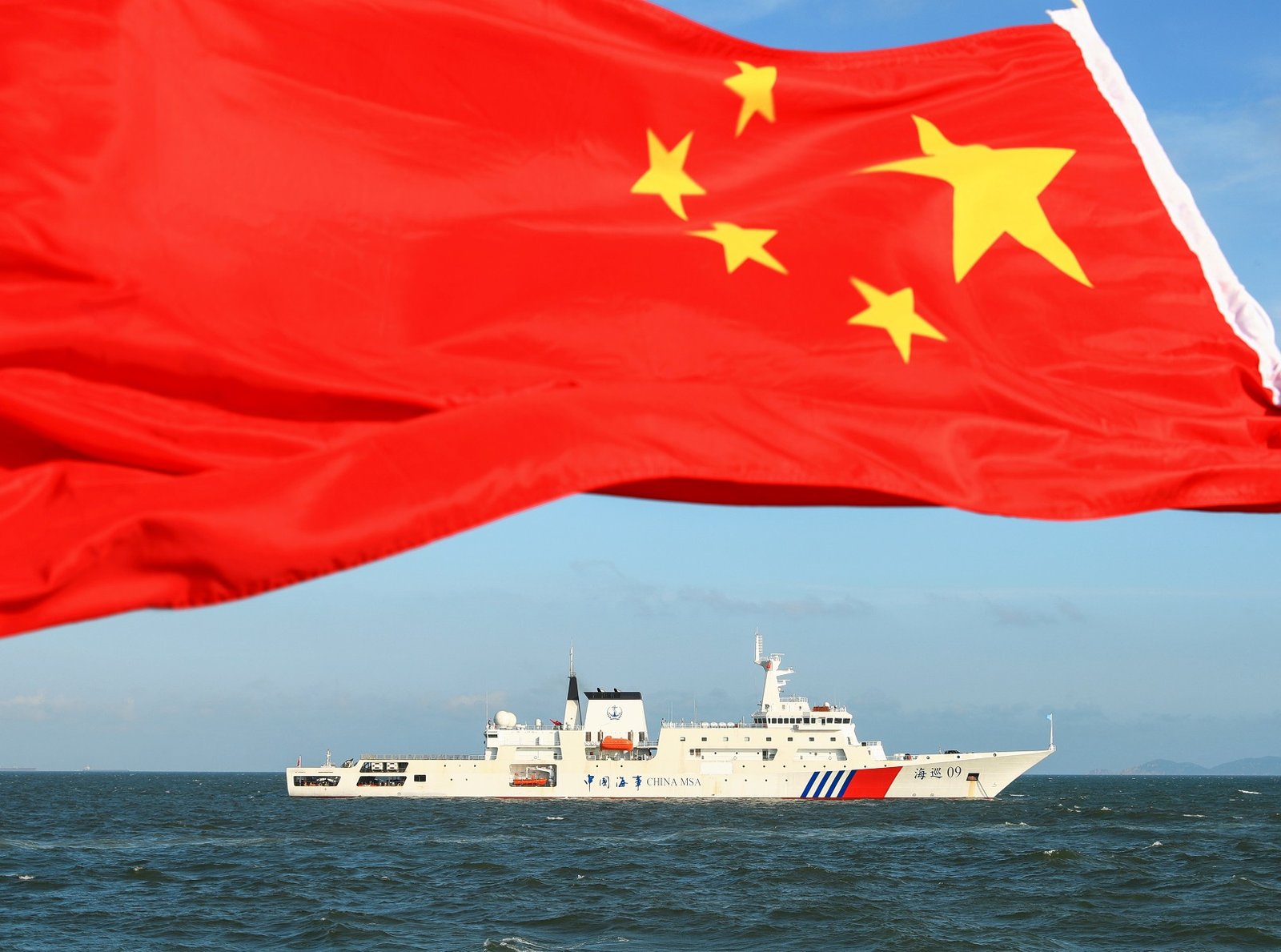
Renaming features in the South China Sea is not a new phenomenon. This has been there at the onset; disputed countries have been renamed before to…
While Mao’s foreign policy was often a struggle for the PRC's very existence, Xi’s strategy is a struggle for dominance, framed as the inevitable return to…
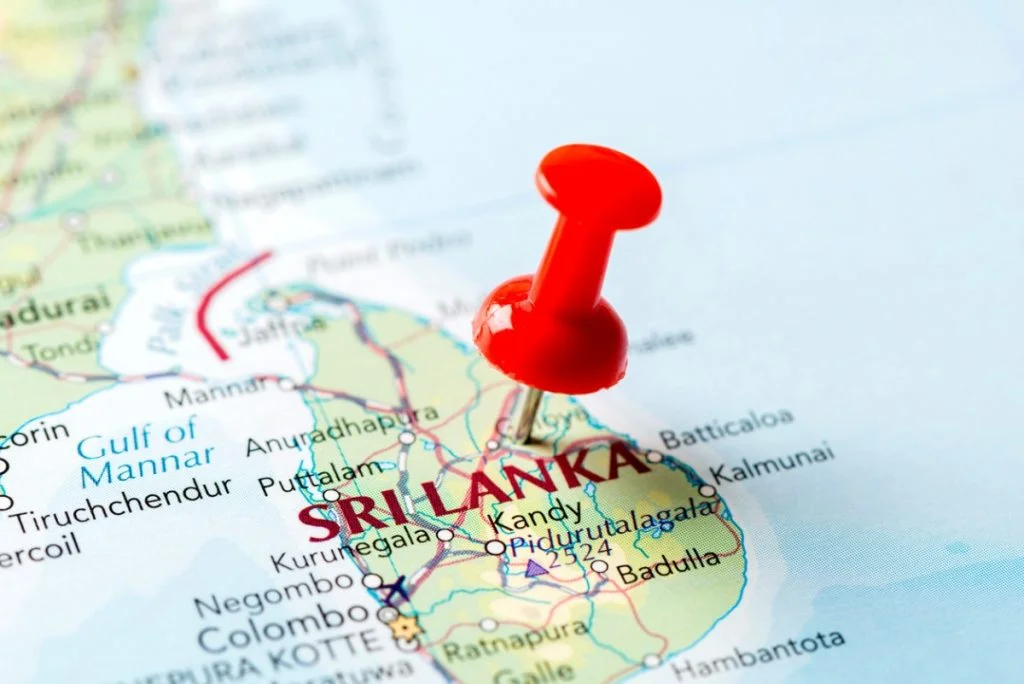
In standing firm on neutrality, Sri Lanka reaffirmed its commitment to peace, autonomy, and the avoidance of entanglement in military alliances, a choice that will shape…
Is Might Still Right? Reviewing Realism in the Current International Chaos
Sri Lanka exemplifies how a small, strategically located state can influence regional geopolitics. Its geography, natural harbors, energy infrastructure, and multi-alignment strategy enhance its relevance in…