Digital Pessimism Regulation, Gen Z Revolutions, and the Indian Question
India will have to make a choice, as Nepal has demonstrated, to understand rather than contain digital pessimism. Will India fear it—or embrace it?
NIICE · 16 September 2025
India will have to make a choice, as Nepal has demonstrated, to understand rather than contain digital pessimism. Will India fear it—or embrace it?
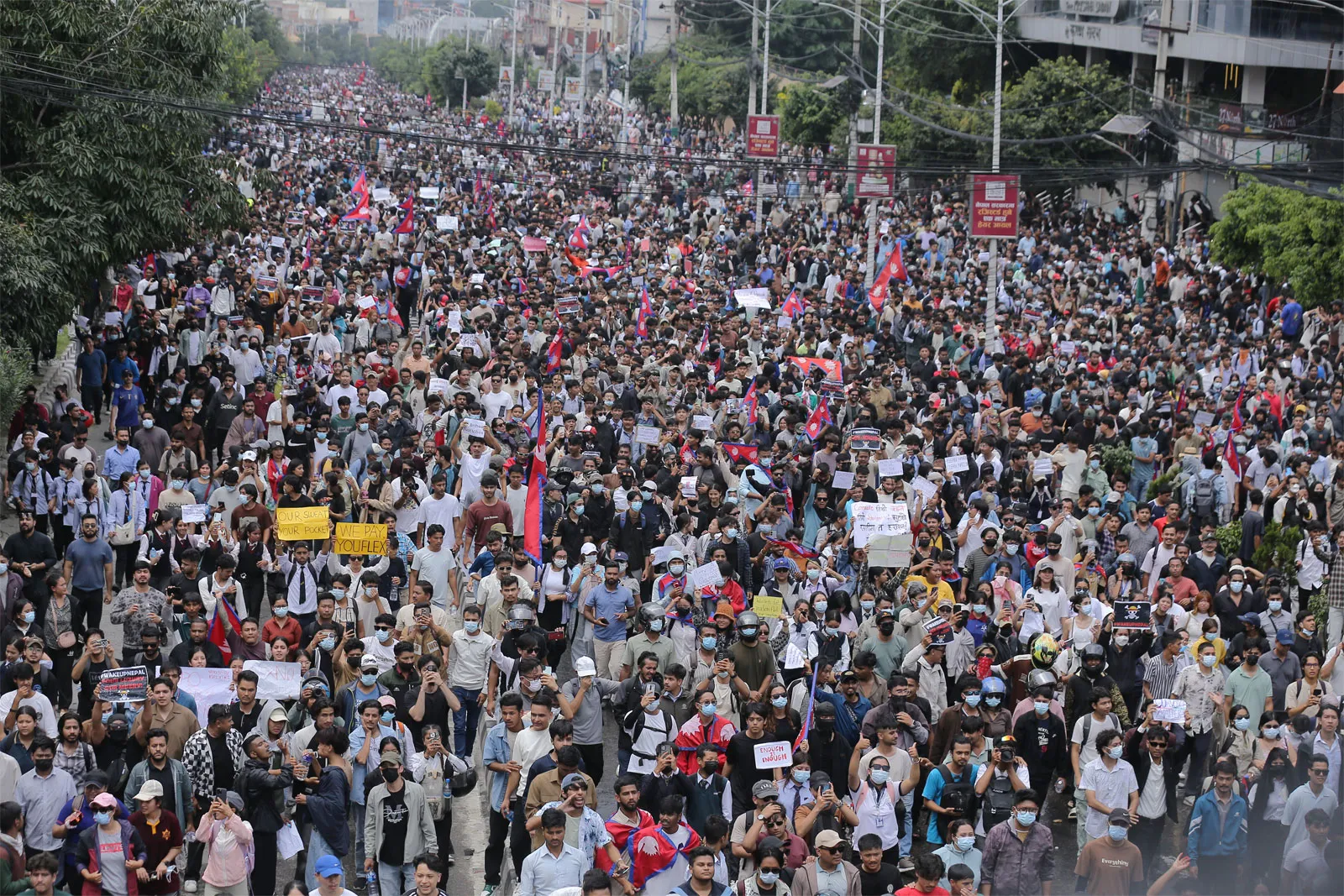
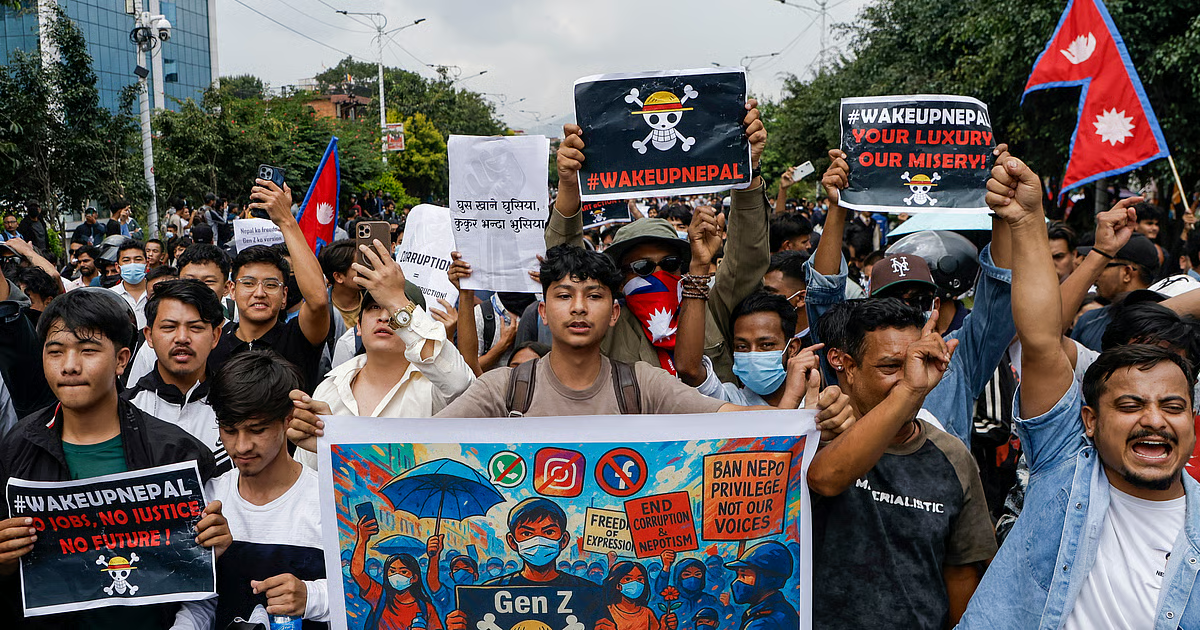
Nepal Genz protests are not unique but a part of a wider regional and international wave of protests calling for accountability, transparency, and democracy.
In essence, a fragile Nepal translates into a fragile South Asia and by extension, a more uncertain global environment.
India’s long-term response must be multifaceted. Strengthening its own connectivity projects in the Northeast is one critical step.
The India-Myanmar-Thailand Trilateral Highway is an unquestionably important project that could greatly improve regional connectivity and enhance India's engagement in Southeast Asia.
The protest and uprising from Nepal to Bangladesh to Sri Lanka reflect the fundamental flaw in democratic structures and reveal the need to rebuild them.
The cases of France and Nepal illustrate how citizens take actions outside a parliamentary system when formal processes appear ineffective
South Asia’s young people have huge potential. The challenge is political leaders stepping up, committing to fairness, accountability, and opportunity.
South Asia’s youth share common grievances: limited opportunities, corruption, and a widening gulf between elite privilege and everyday struggle.
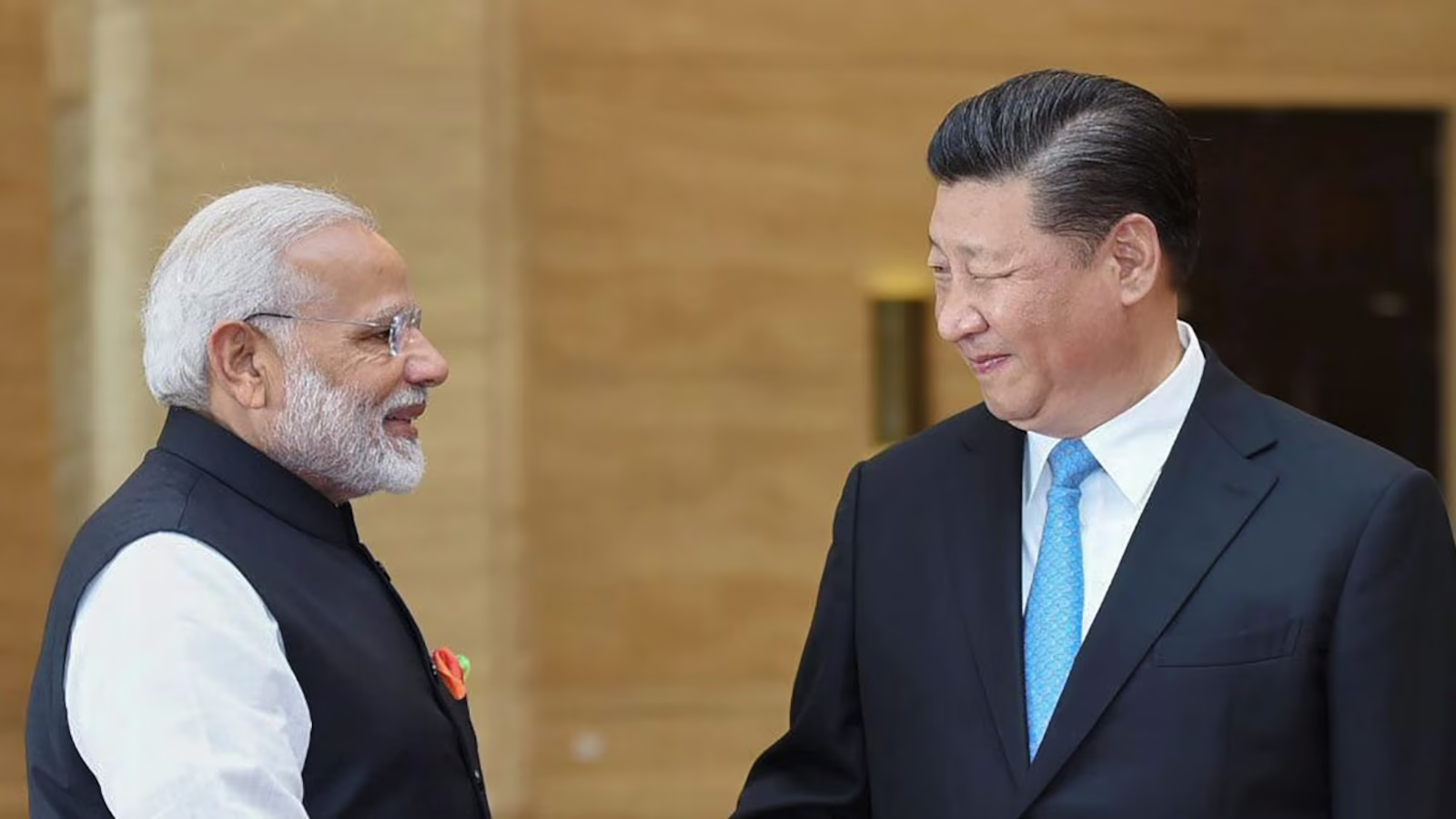
Since the Kazan BRICS Summit in October 2024, India and China have cautiously moved towards rapprochement through a series of steps.
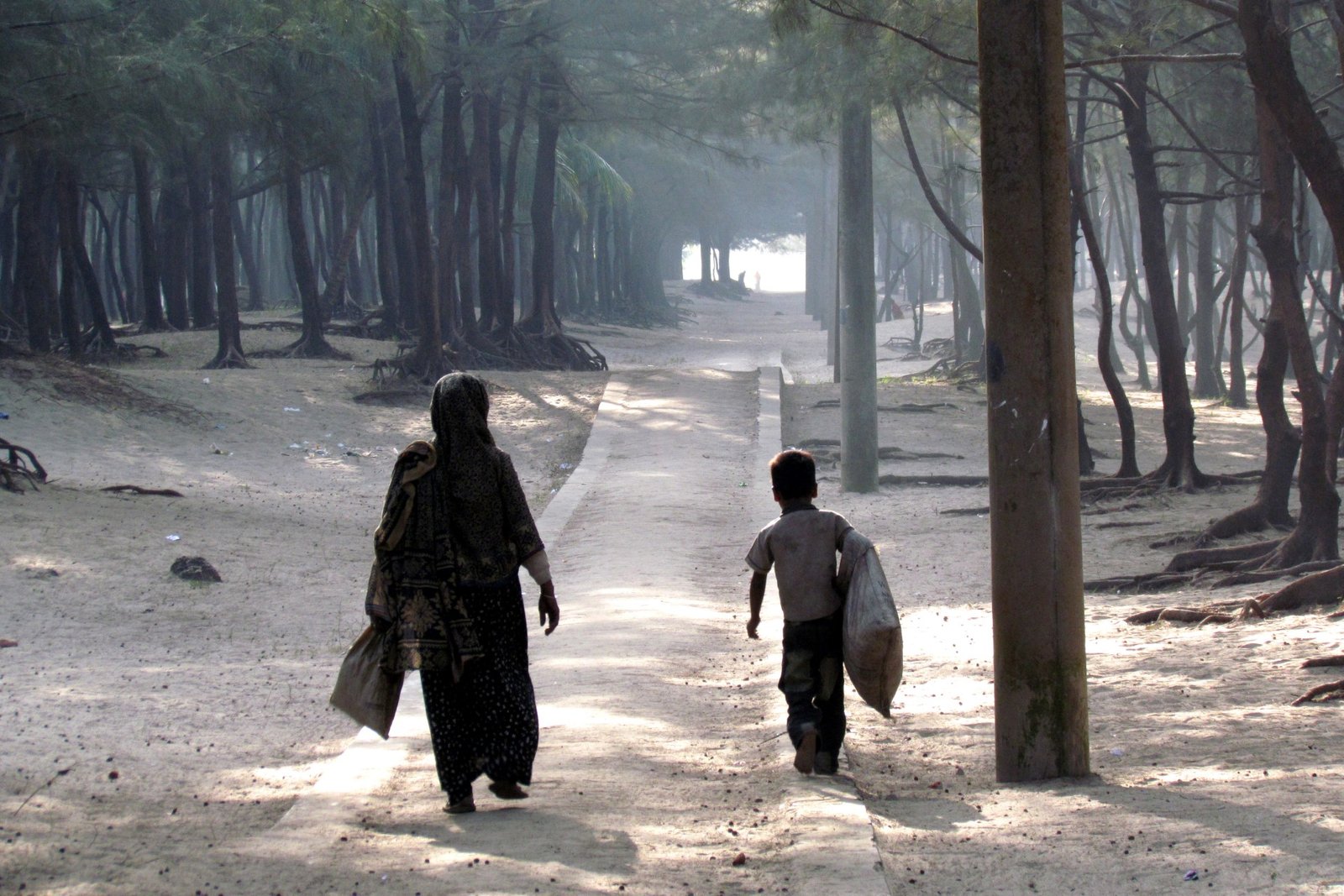
The Rohingya crisis is entering its ninth year. Bangladesh is playing generously, but this has not been possible for them for a long time.
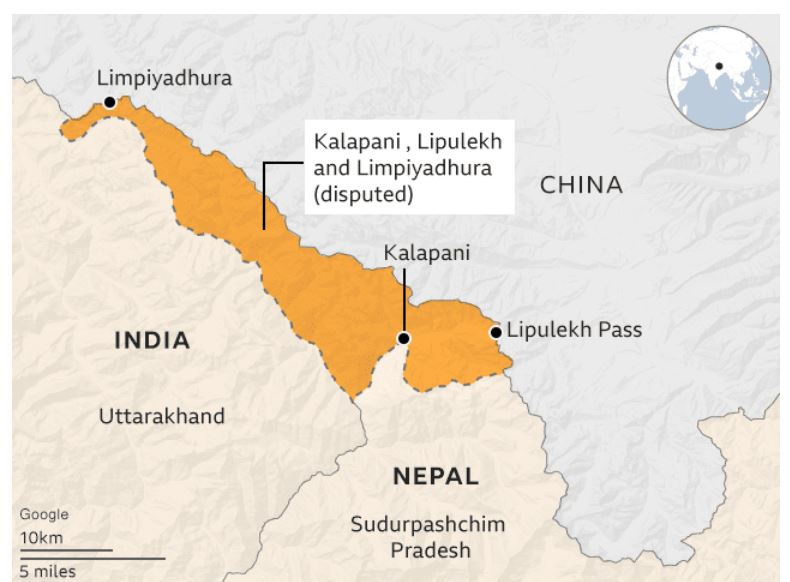
Lipulekh is more than a strategic pass; it embodies the complex interplay of history, geography, and national aspirations in the Himalayas.