From Cairo to Kathmandu: Corruption, Youth Aspirations and Politics of Upheaval
South Asia’s youth share common grievances: limited opportunities, corruption, and a widening gulf between elite privilege and everyday struggle. ...

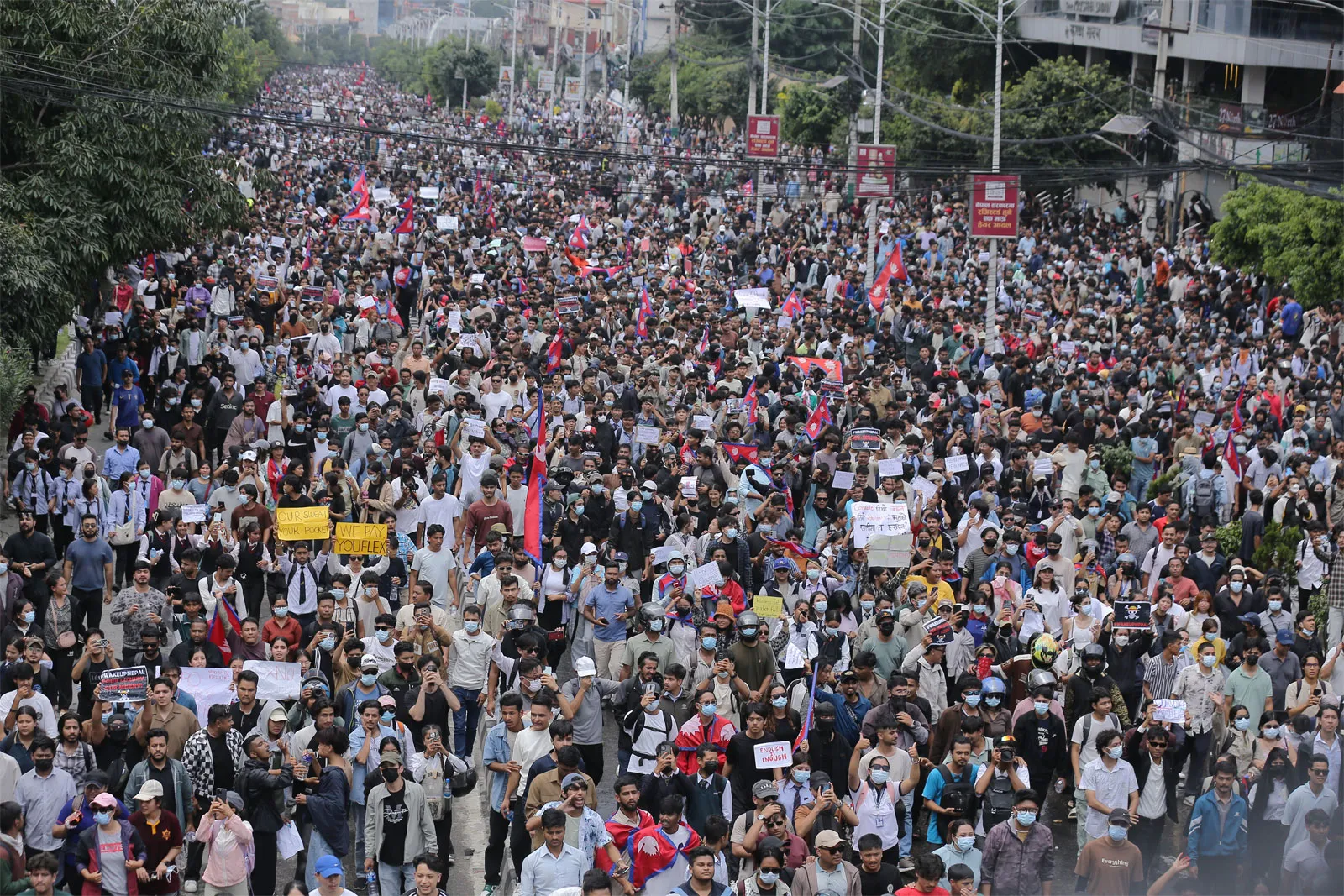
South Asia’s youth share common grievances: limited opportunities, corruption, and a widening gulf between elite privilege and everyday struggle. ...
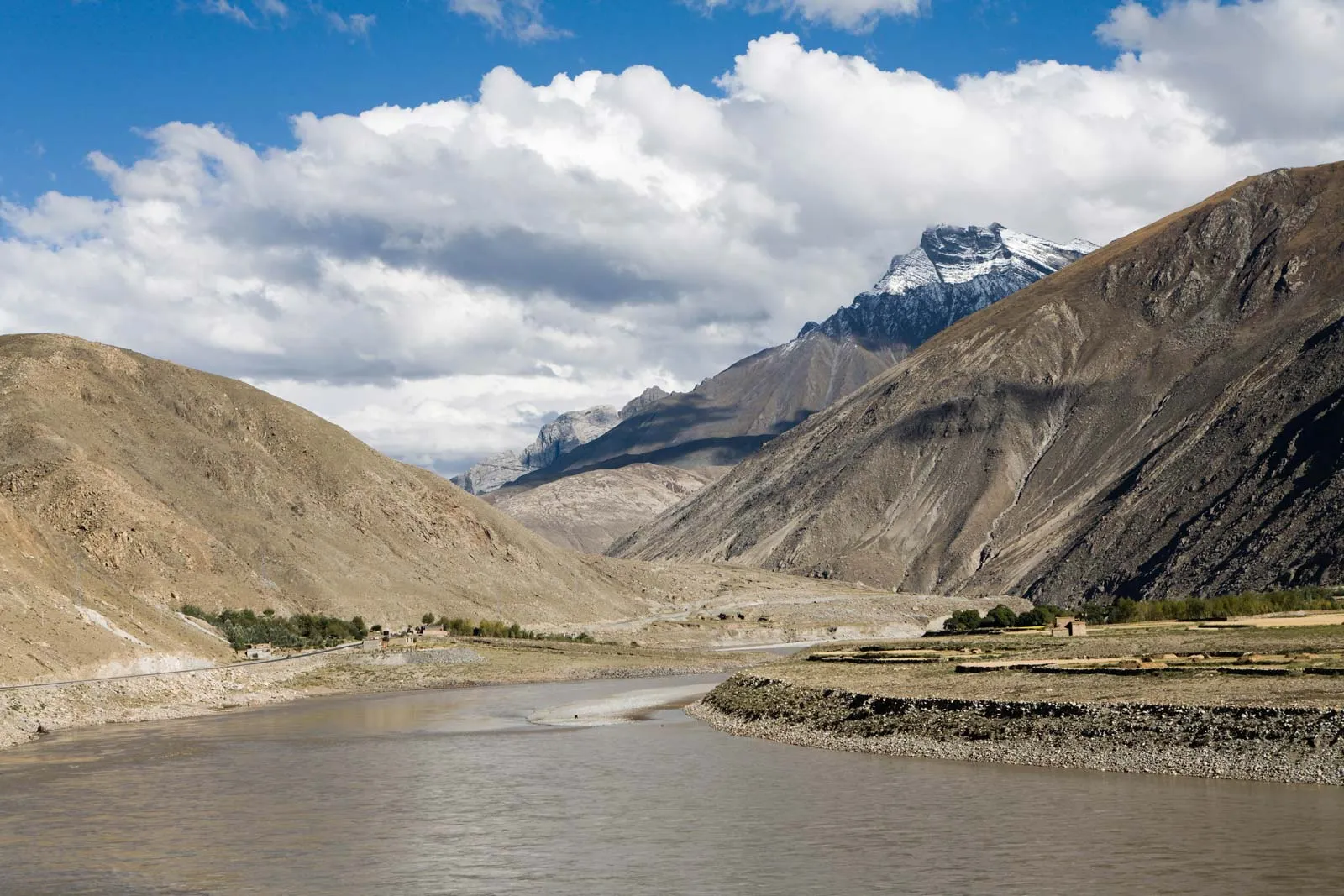
The lesson of the Three Gorges Dam is clear: the world ignored the warnings, and today its damage is irreversible. To repeat that mistake on the Brahmaputra would be disastrous. ...
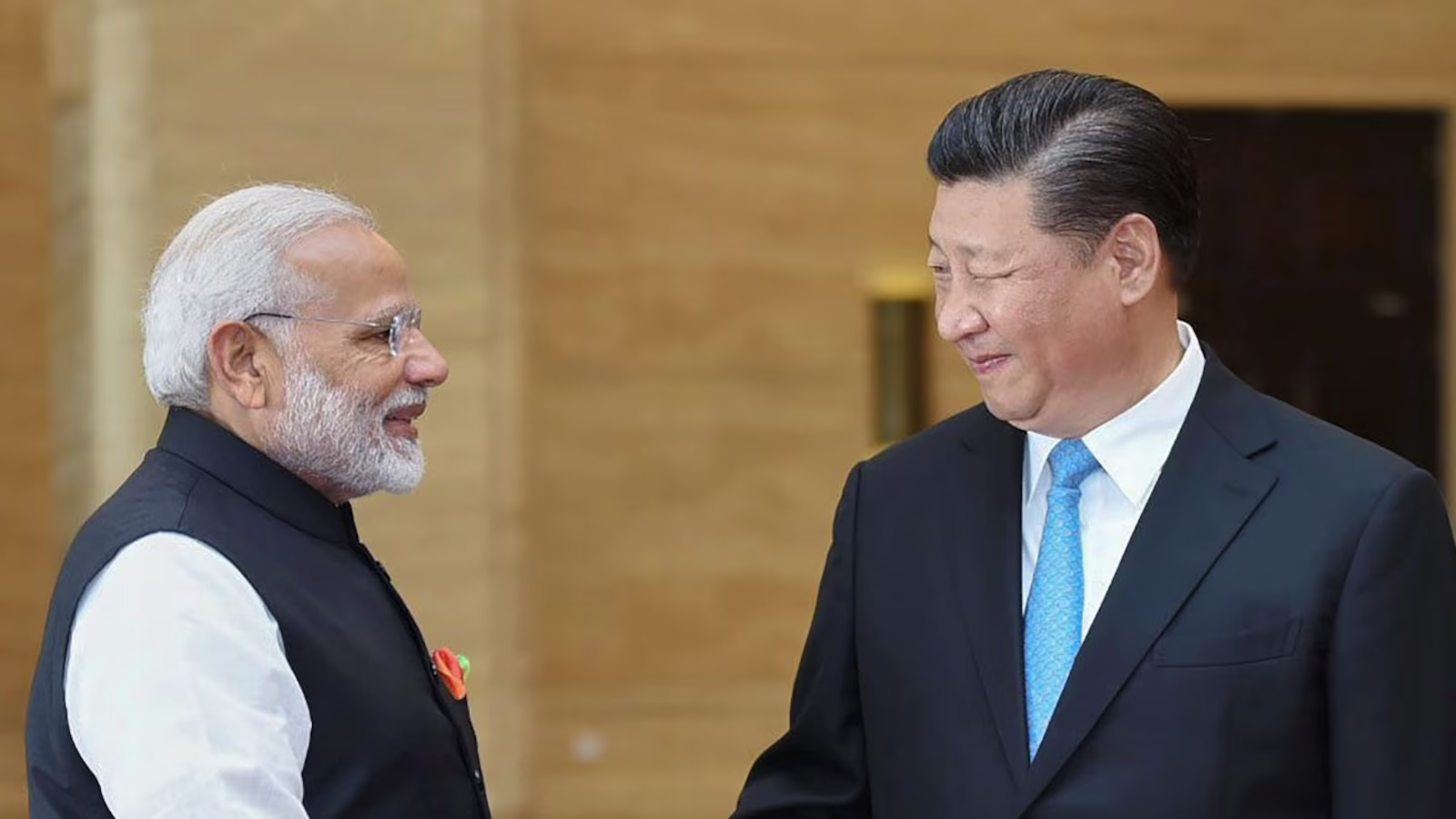
Since the Kazan BRICS Summit in October 2024, India and China have cautiously moved towards rapprochement through a series of steps. ...

The CPEC 2.0 has a significantly different development toward becoming a framework that pushes through the Pakistan-occupied Kashmir and now all the way to Afghanistan, effectively excluding New Delhi as part of the critical regional connectivity paths. ...
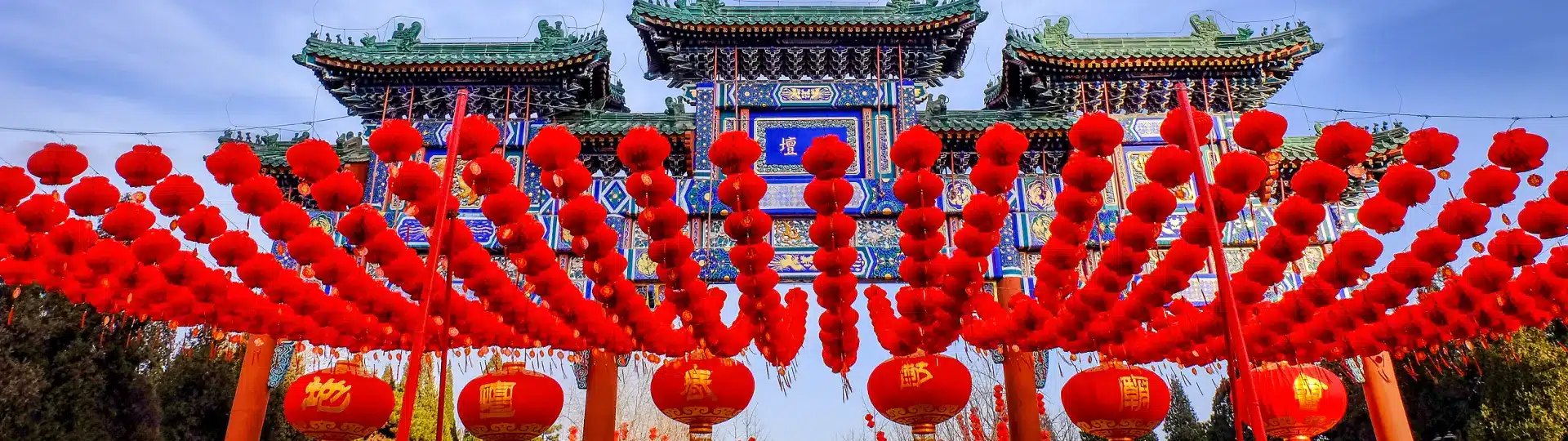
India needs to understand the Chinese geopolitical aspirations and their desperation to come across as the leader of the Global South to establish Chinese centrality. ...

All things considered, relations between India and Fiji share a robust historical past and a glorious recent present. ...

Data sovereignty calls for a well-structured policy-making which will address the complexities of data privacy and security. ...
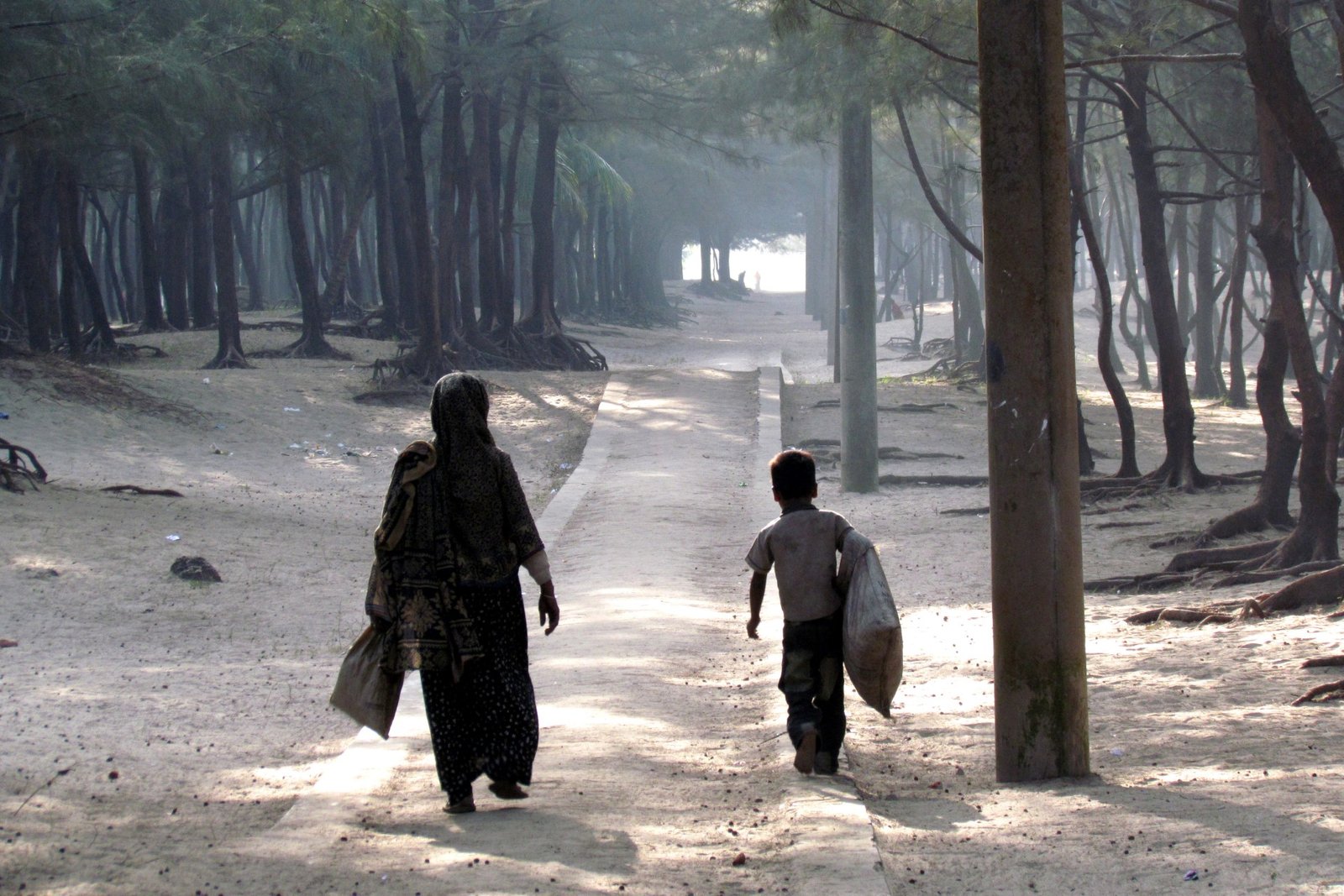
The Rohingya crisis is entering its ninth year. Bangladesh is playing generously, but this has not been possible for them for a long time. ...
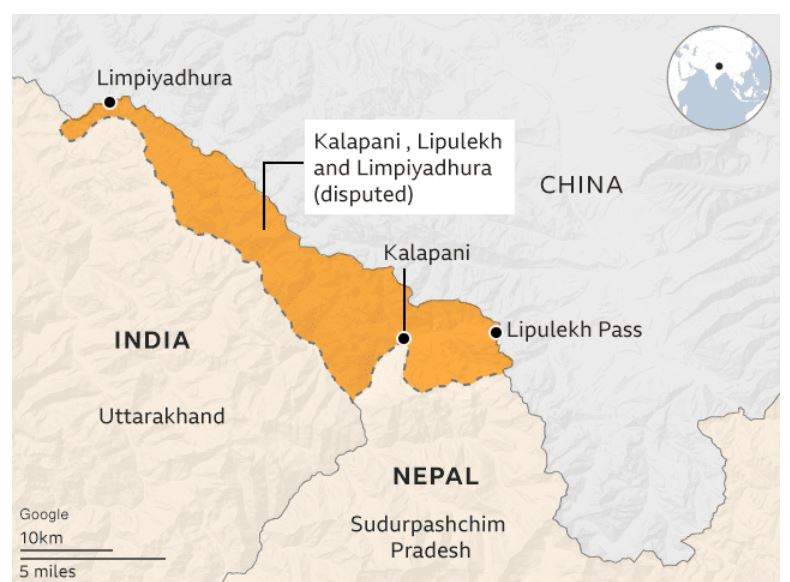
Lipulekh is more than a strategic pass; it embodies the complex interplay of history, geography, and national aspirations in the Himalayas. ...
China’s National Nature Reserves in the South China Sea
The National Nature Reserve construction over a disputed feature, as part of the South China Sea, is the latest development in China’s South China Sea policy. ...