The Burden of Multipolarity for Indo-Pacific Middle Powers
Indo-Pacific middle powers must move beyond rhetorical commitments to multipolarity and confront the practical discrepancies and material demands inherent in such a system. ...

Indo-Pacific middle powers must move beyond rhetorical commitments to multipolarity and confront the practical discrepancies and material demands inherent in such a system. ...

Hydropower is no longer only a tool for development but rather a strategic instrument for energy security, Bhutan green growth and regional stability. ...
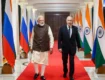
President Putin’s visit to India, set against the backdrop of the Russia–Ukraine conflict and strains in India–US relations, highlights the resilience and complexity of India’s strategic positioning. ...

The 23rd India-Russia Annual Summit of 2025 will be a great milestone in the bilateral relations, changing a relationship that was always based on defence and energy into a real-life comprehensive strategic partnership. ...

Perhaps not through the Bhutanese way, nor the Scandinavian way, but a multilaterally accepted way, can happiness be used as a tool of development in IR and IR studies. Happiness fundamentally should matter in IR studies. ...

Cyclone Ditwah has exposed Sri Lanka’s acute vulnerability to extreme weather events, adding pressure to its fragile social and economic fabric. ...

Digital Swaraj encourages the promotion of local innovations, technological sovereignty, and democratic governance ...
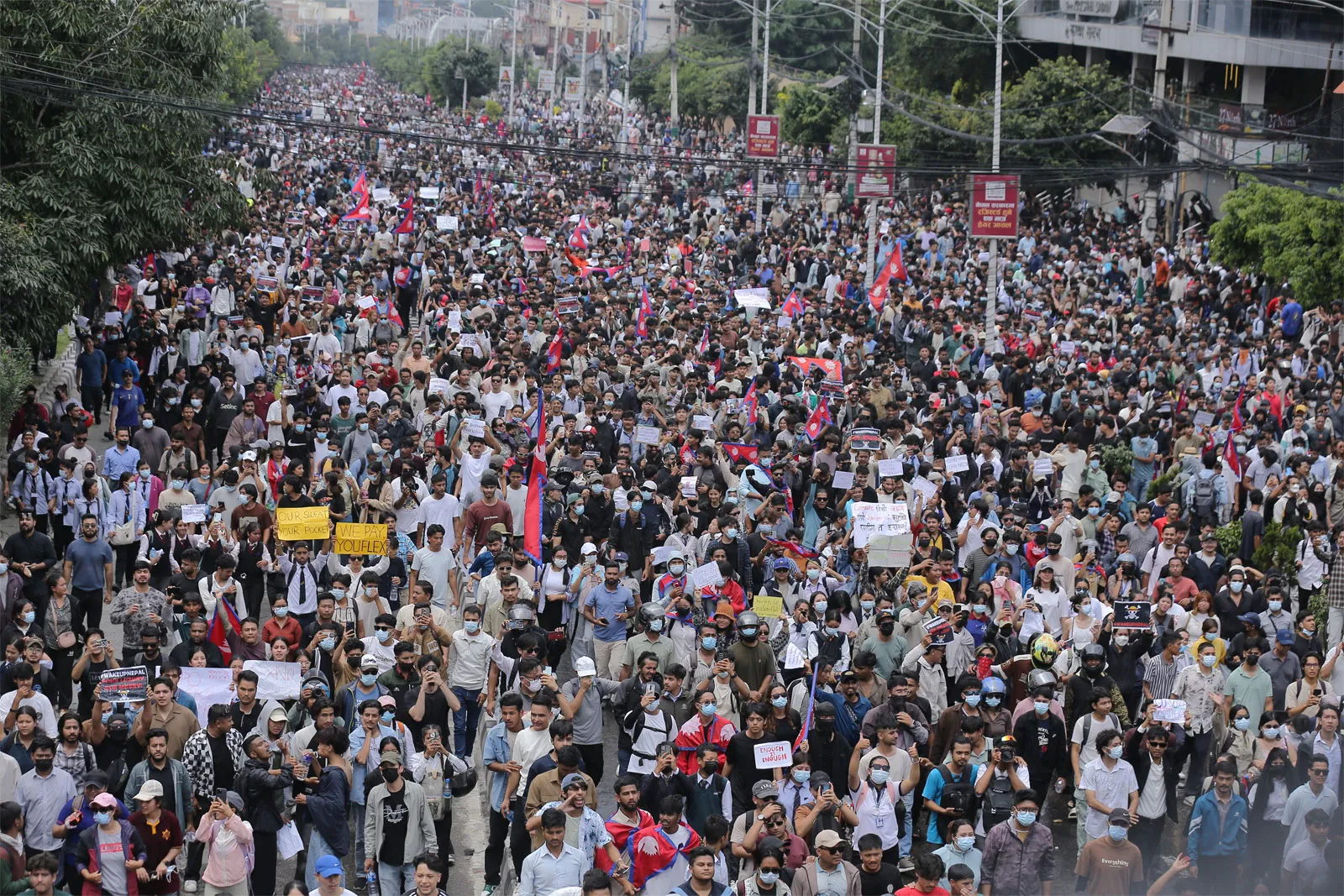
The global political landscape appears to be receding from the “Third Wave of Democratisation,” giving way to a worldwide surge of authoritarianism. ...

Polycentric trade governance is now the reality of global commerce: several hubs set rules in parallel, reflecting diffused power. ...
Is International Law an Instrument of Ideological Control Wielded by Powerful States?
International law is meant to serve as an impartial structure for global governance; however, it is often manipulated as a tool of power that privileges the strategic interests of dominant states against equitable justice. ...