
4 April 2026, NIICE Commentary 12421
Abiranjali Khatry
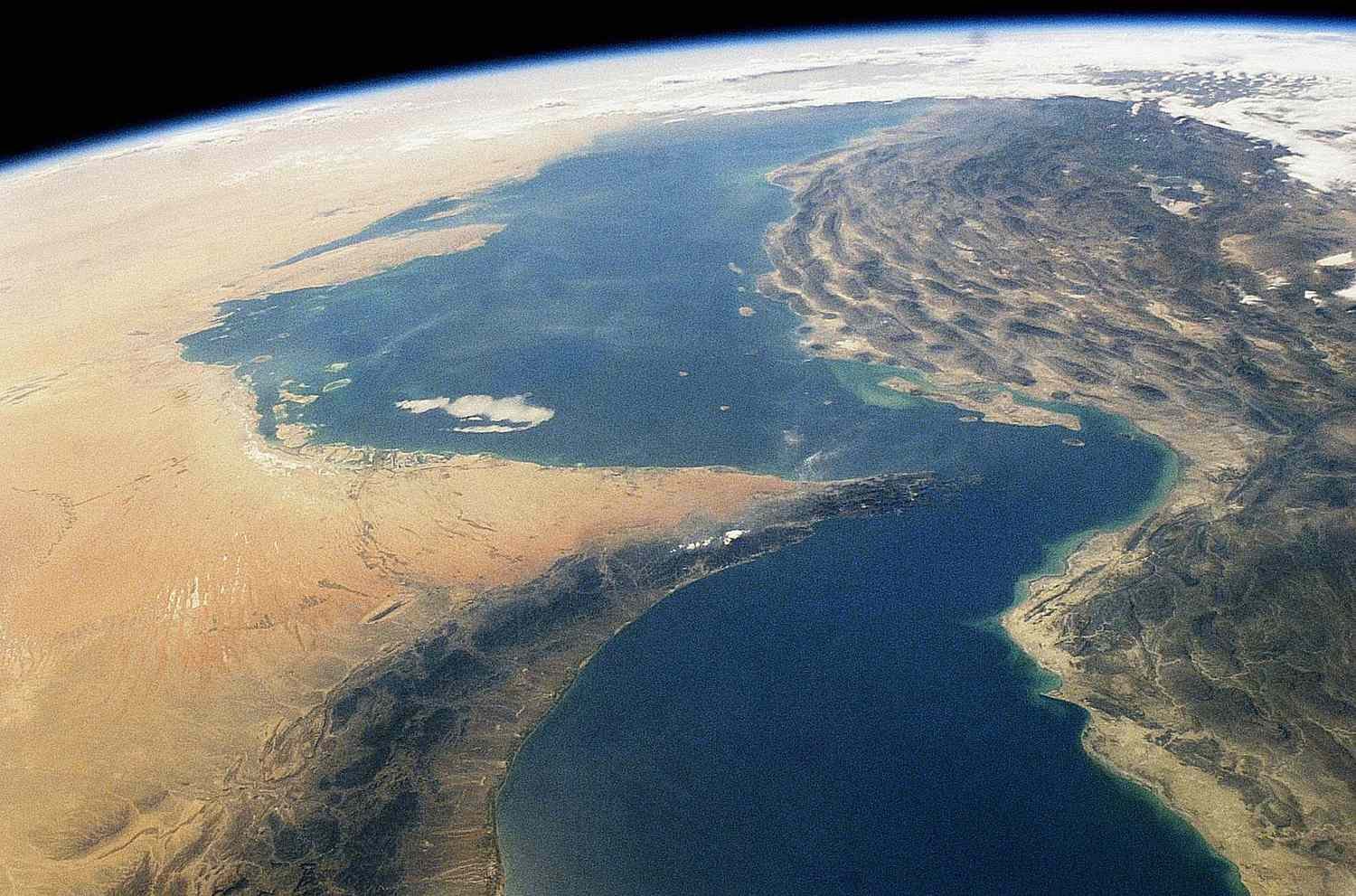
The current conflict in West Asia has far-reaching consequences beyond immediate geopolitical instability, particularly with regard to climate change and the global energy system. Wars in this region are more critical since it is home to some of the world’s largest oil and gas reserves, creating effects that disrupt energy markets, increase emissions, and delay the global transition to sustainable energy. Although the impact of warfare in West Asian countries is felt by countries across the globe, Asia in particular is heavily affected by the oil and gas supply disruptions in the Strait of Hormuz.
One of the most immediate impacts of war in West Asia is the disruption of the global energy supply. Countries such as Saudi Arabia, Iraq, and Iran play central roles in oil production and export. When conflict threatens infrastructure like pipelines, refineries, or shipping routes such as the Strait of Hormuz, global oil prices tend to spike. This volatility often pushes countries to prioritize short-term energy security over long-term climate goals. For instance, nations may increase reliance on coal or reopen dormant fossil fuel plants to compensate for shortages, thereby increasing greenhouse gas emissions.
In addition to supply disruptions, war itself is highly carbon-intensive. Military operations require vast amounts of fuel for transportation, weapons systems, and logistics. Airstrikes, tank movements, and naval deployments all contribute to significant carbon emissions. Furthermore, the destruction of infrastructure, such as oil fields, storage facilities, and industrial plants, can release large quantities of pollutants into the atmosphere. Fires from damaged oil facilities, in particular, can emit massive amounts of carbon dioxide and toxic particulates, as seen historically in conflicts like the Gulf War.
Another major consequence is the delay in renewable energy transitions. Governments facing geopolitical instability often divert funding and political attention away from climate initiatives toward defense and emergency responses. This shift can slow down investments in renewable energy infrastructure such as solar, wind, and green hydrogen projects. In Europe, for example, energy insecurity linked to conflicts in nearby regions has at times led to increased imports of liquefied natural gas (LNG) and extended use of fossil fuels, even as climate targets remain in place. The most significant impact is felt in Asia, a region that remains highly dependent on West Asia for oil and gas. Countries like Japan, South Korea, India, and China rely heavily on gas and oil imports from the Strait of Hormuz.
Moreover, conflicts in West Asia can reshape global energy alliances. Countries may seek new partnerships to secure stable energy supplies, sometimes favoring fossil fuel-rich nations over investing in domestic renewable capacity. One of such instances is the India-Russia Realignment, wherein India is increasing its imports from Russia at a discounted rate, benefiting both economies. This can lock in long-term fossil fuel dependence, making it harder to meet international climate targets such as those outlined in the Paris Agreement. At the same time, however, energy shocks can also accelerate diversification in some cases, prompting countries to invest more heavily in renewables to reduce dependence on volatile regions.
Environmental degradation within conflict zones is another critical issue. Warfare damages ecosystems, contaminates water sources, and disrupts agricultural systems. Not only does warfare cause immediate destruction of ecosystems but it also leaves a lasting impact on society’s ability to deal with heat in the near future. Oil spills, chemical leaks, and unexploded ordnance can render land unusable for years, contributing to long-term ecological harm. Such issues have a greater impact on the less-privileged communities of society. These communities are bound to spend a larger portion of their incomes, affecting their economic stability. Besides, these environmental impacts not only worsen climate vulnerability in affected regions but also undermine resilience and recovery efforts. Especially in developing economies, such as Indonesia, the country has to adopt alternative policies, such as subsidization, which indeed has gravely impacted its GDP due to budget deficit. This widens the global energy gap and intensifies the existing economic inequalities. In extreme cases, governments may be forced to compromise their budget spending on areas like education or labor productivity to afford energy imports.
Besides, the humanitarian consequences of war, such as displacement and refugee crises, also intersect with climate challenges. Large populations are forced to relocate and often settle in areas with limited resources, increasing pressure on local environments and infrastructure. This can lead to deforestation, water scarcity, and increased emissions from temporary settlements. Besides, the influx of refugees constrains the ability of the existing inhabitants to access their share of resources. The impact of warfare on low-income communities goes beyond the increase of energy costs. Increased use of fossil fuels and wartime emissions, intensifies weather events like floods, droughts, and heatwaves, conditions that disproportionately affect vulnerable communities. Especially without sufficient financial resources or government support, recovery becomes extremely challenging.
In conclusion, wars in West Asia have profound implications for both climate change and global energy systems. They exacerbate fossil fuel dependence, increase emissions, and hinder progress toward renewable energy adoption. At the same time, they expose the vulnerabilities of a global energy system still heavily reliant on a geopolitically unstable region. Addressing these challenges requires not only conflict resolution but also a renewed commitment to accelerating the transition to sustainable energy and building resilient, low-carbon systems worldwide.