
Bleeding Borders, Contained Conflicts: Why India and Pakistan Won’t Go Nuclear Anytime Soon
Nuclear weapons in South Asia act less as tools of war and more as anchors of an uneasy peace.
NIICE · 11 May 2025
Nuclear weapons in South Asia act less as tools of war and more as anchors of an uneasy peace.
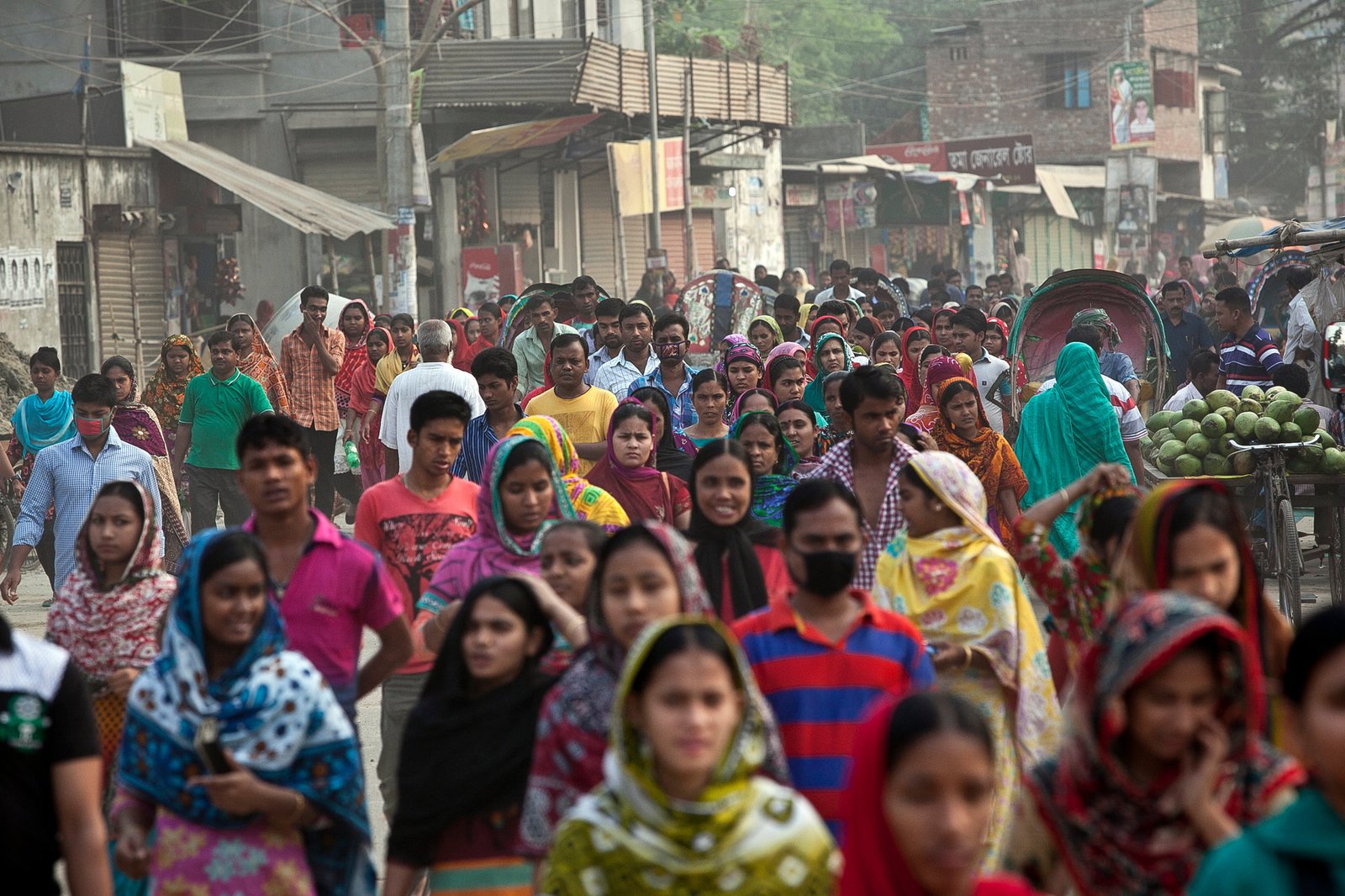
To fully leverage Bangladesh's demographic potential, it is crucial to invest in education and training aimed at cultivating a skilled workforce.
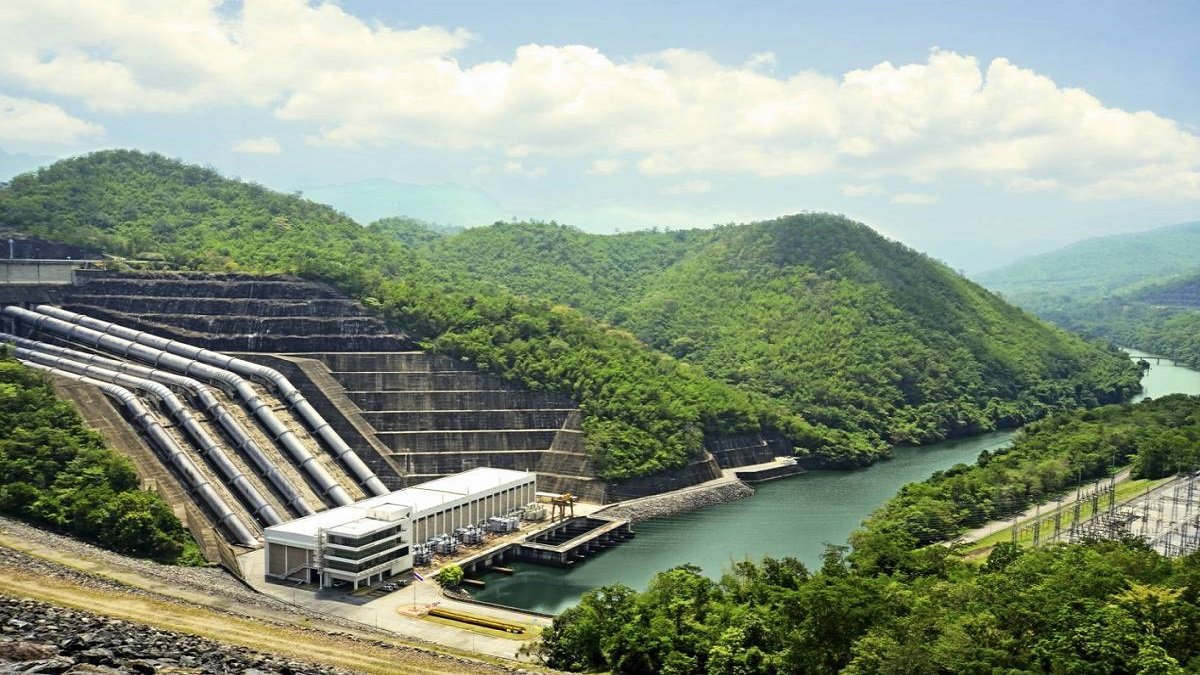
Nepal’s hydropower potential holds the key to transforming South Asia’s energy landscape, driving economic growth and regional connectivity through clean energy.
As India’s “unsinkable sentinel,” they offer unparalleled surveillance, deterrence, and regional engagement advantages.
The Indo-Bangladesh relationship is the ultimate example of the non-zero-sum game theory.
Prior to it becoming uncontrollable, the Pakistani state should take a multi-dimensional and holistic approach to counter terrorist organisations like TTP.
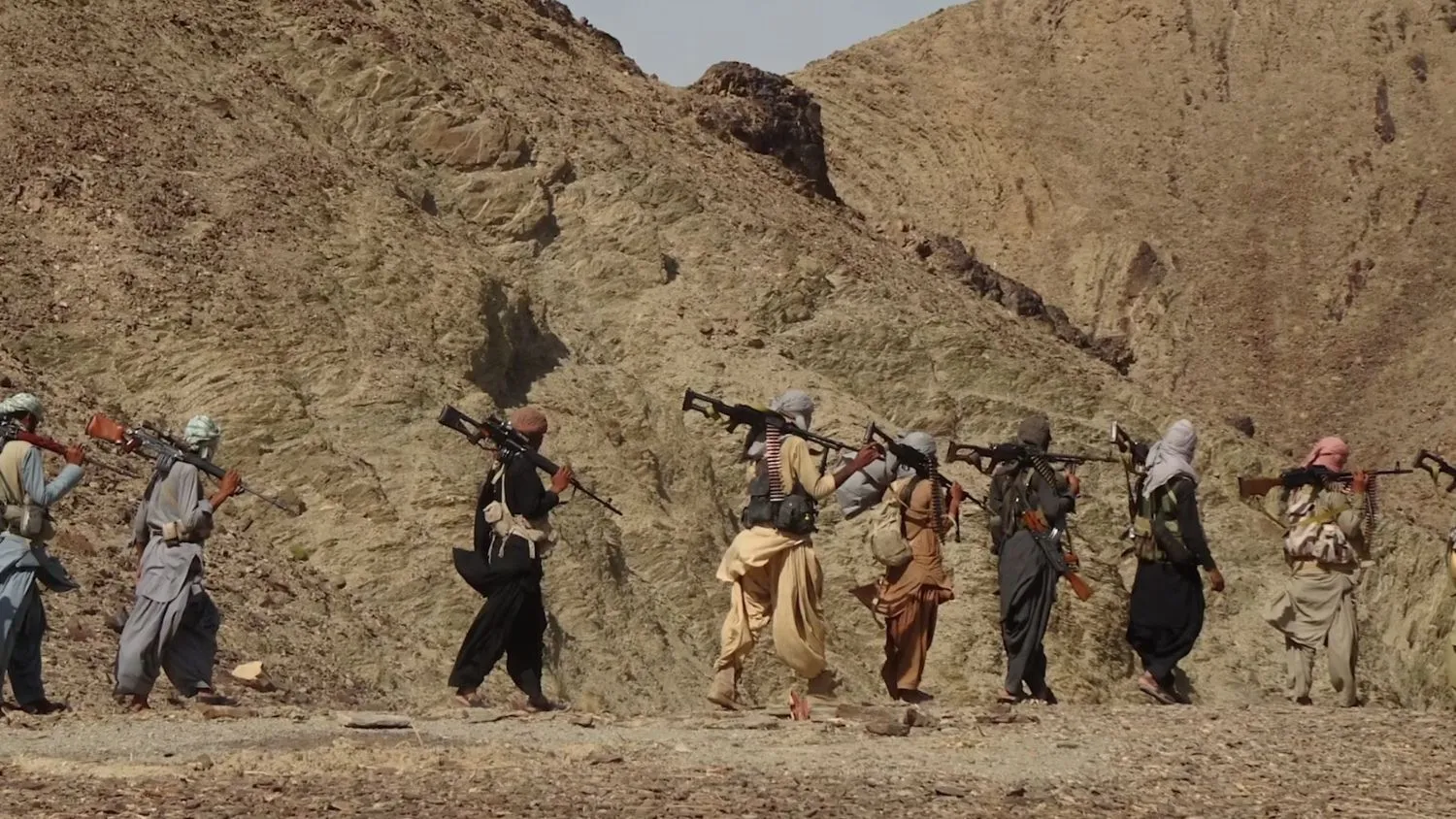
The future trajectory of the Majeed Brigade will hinge on Pakistan’s ability to balance military response with political inclusion and economic justice in Balochistan.
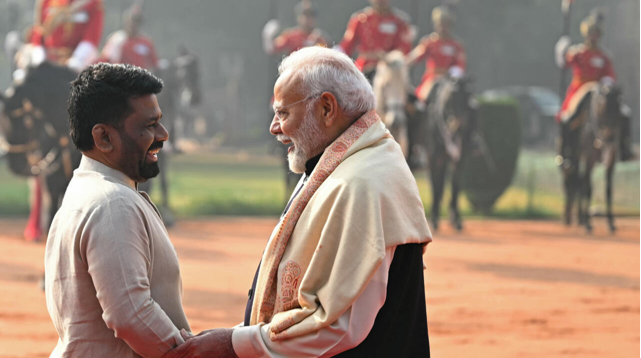
Sri Lanka remains an integral part of Modi’s Neighbourhood First policy, akin to the Gujral doctrine in the 1990s, a set of principles that moulded India’s…
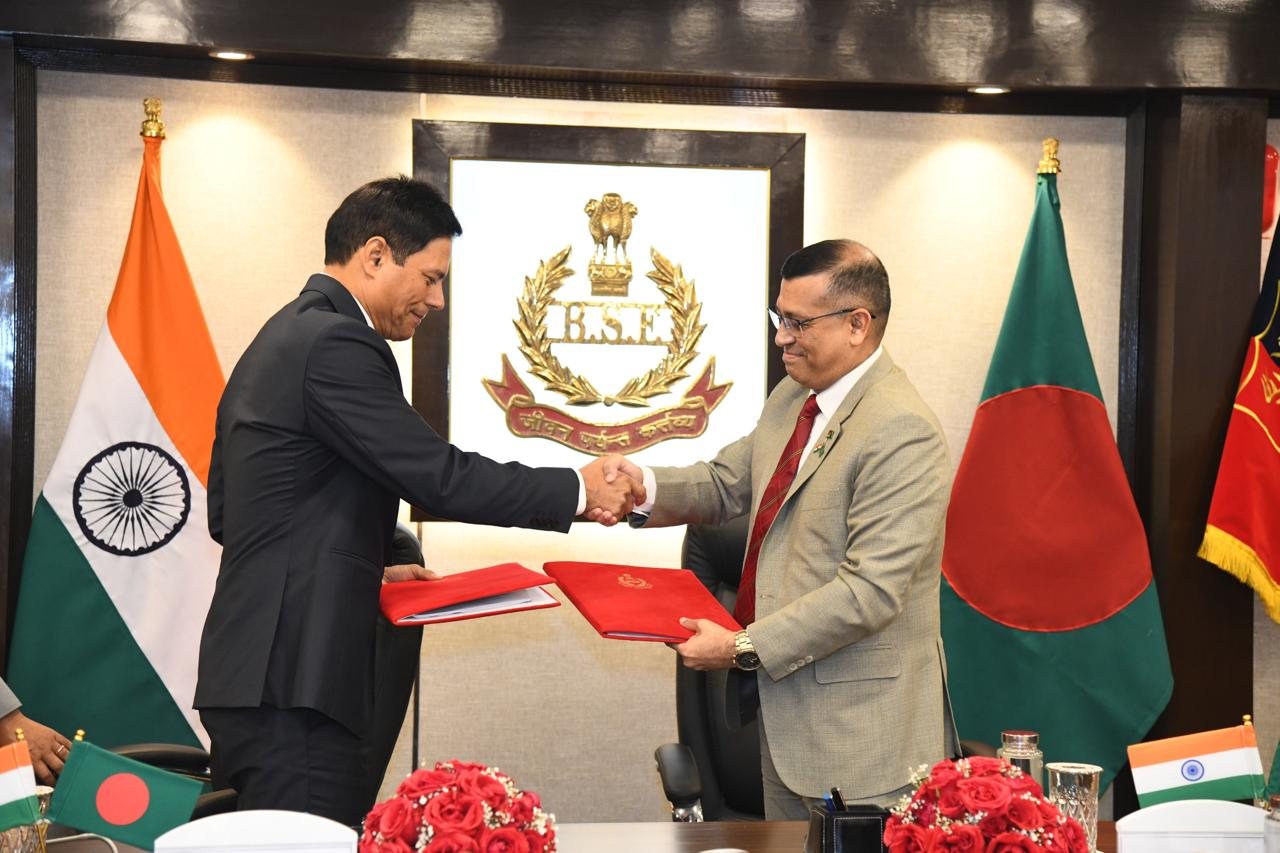
A high-level delegation of the Border Guard Bangladesh (BGB) met with the Border Security Force (BSF) for the bi-annual Director General level talks. The meeting took…
At a time of heightened tensions and ethnic conflict in its neighborhood and as the waves of conflict rage across the world, the Bodo peace process…
In the case of India and South Korea, culinary diplomacy has played a significant role in promoting the country's soft power and enhancing its international reputation.
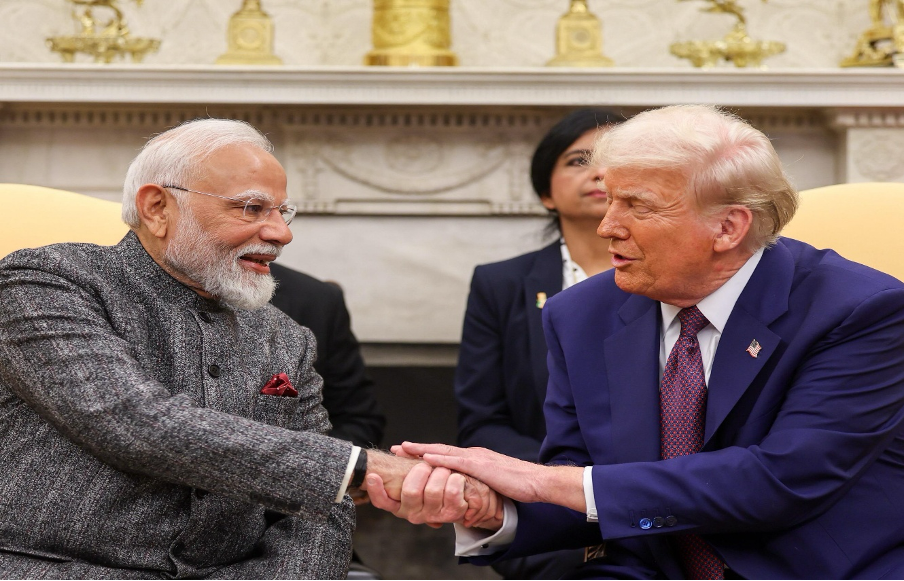
The visit of the Prime Minister Modi has brought the necessary momentum in India-US relations, which have been characterized by shared values, economic ties, and security…