Power, Protectionism, and Politics: The U.S.-China Rivalry and the Future of Global Economic Order
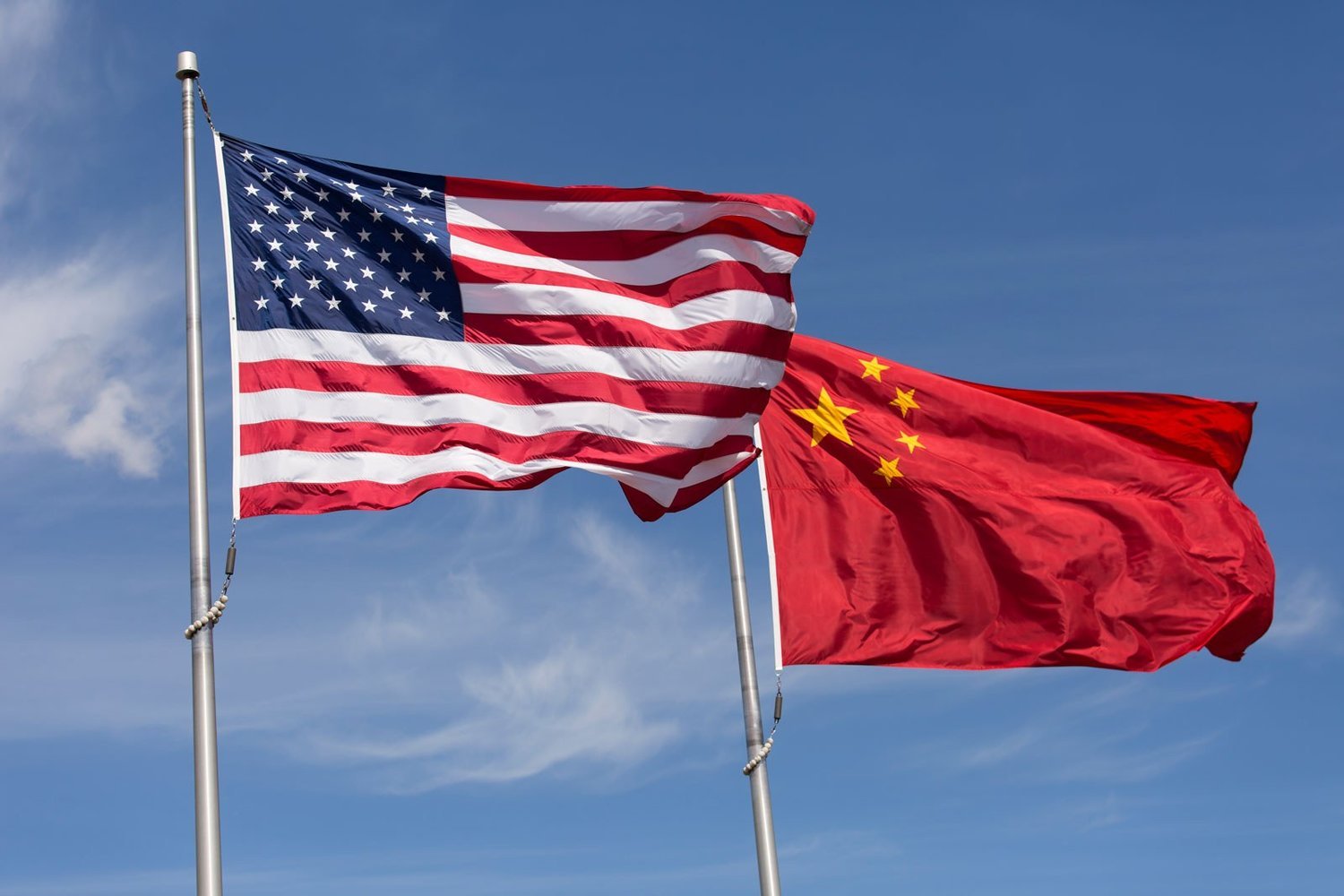
Despite rising hostilities, total economic decoupling between the U.S. and China remains unlikely.
NIICE · 7 May 2025
Despite rising hostilities, total economic decoupling between the U.S. and China remains unlikely.
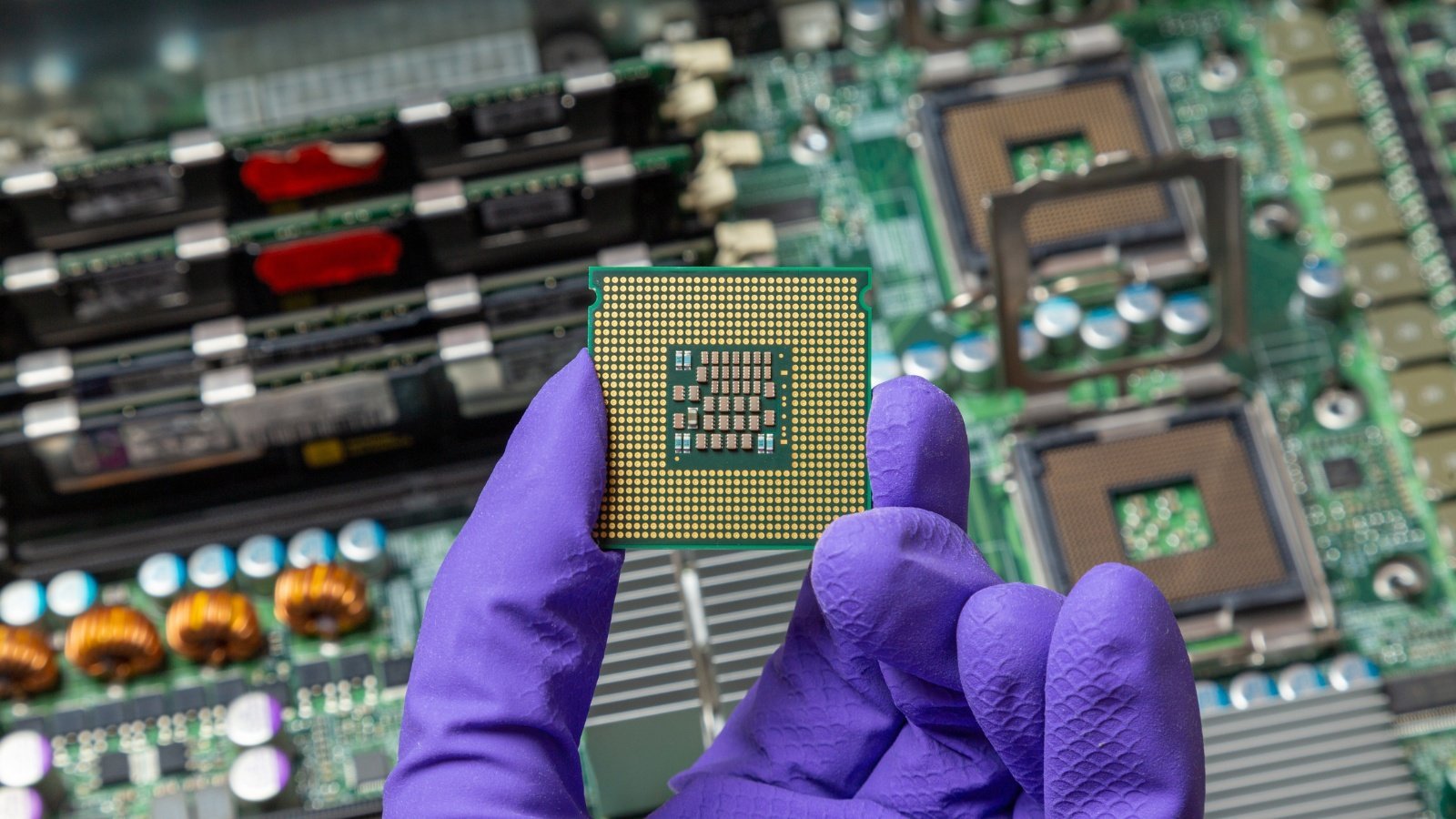
Semiconductor chips have become an integral part of our digital world, and it has become a tool of current geopolitics, not essentially in the economic aspect…
The international community must reject the complacency that allows both digital colonialism and torture to persist unchecked.
As history shows, world leadership is never permanent but is shaped by adaptation, resilience, and the ability to respond to global transformations.
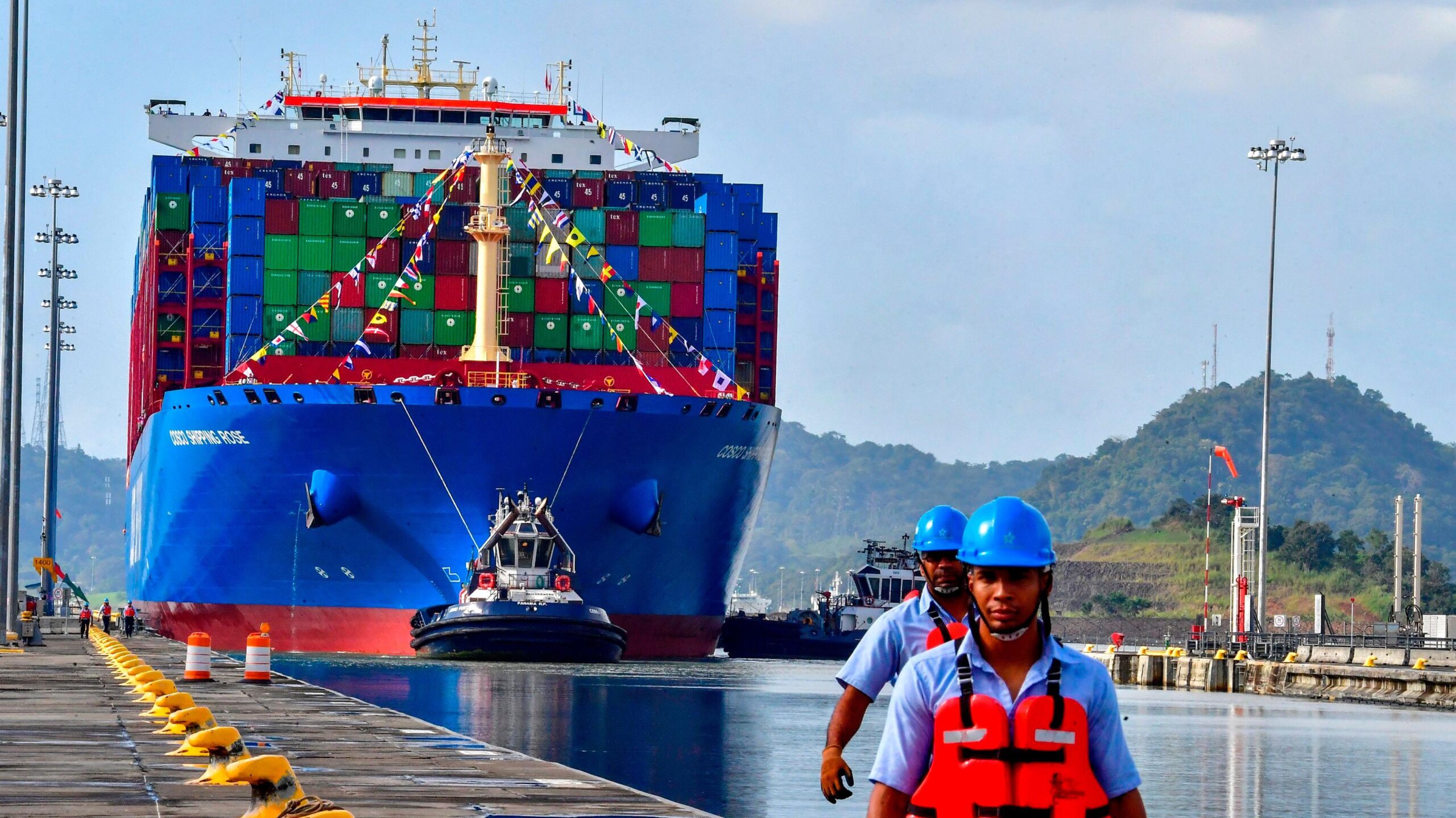
The Panama Canal has emerged as a new center of strategic cooperation and competition, with the US’s potential to take over, undo previous mistakes, and China’s…
The North-South divide in Indian cinema is not a mere product of regional rivalry or artistic competition but a carefully engineered strategy aimed at fragmenting Indian…
In the case of India and South Korea, culinary diplomacy has played a significant role in promoting the country's soft power and enhancing its international reputation.
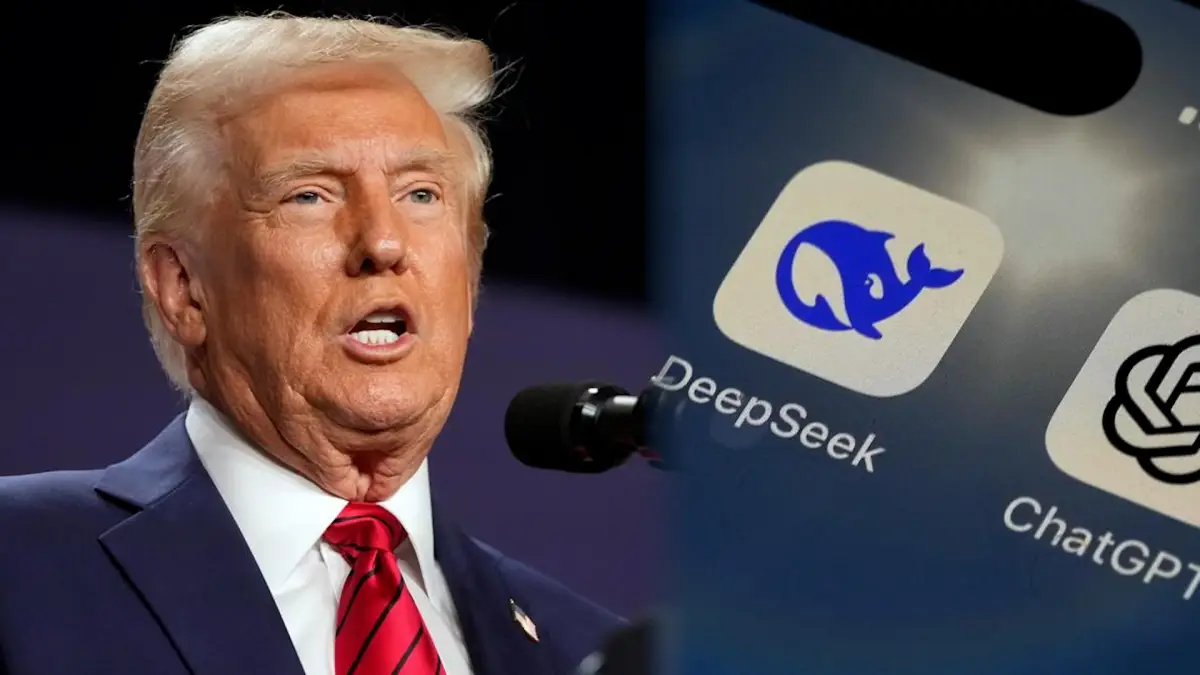
The Stargate initiative, akin to past U.S. techno-nationalist endeavors like SDI, reflects a reactive and protectionist response to China’s AI advancements.
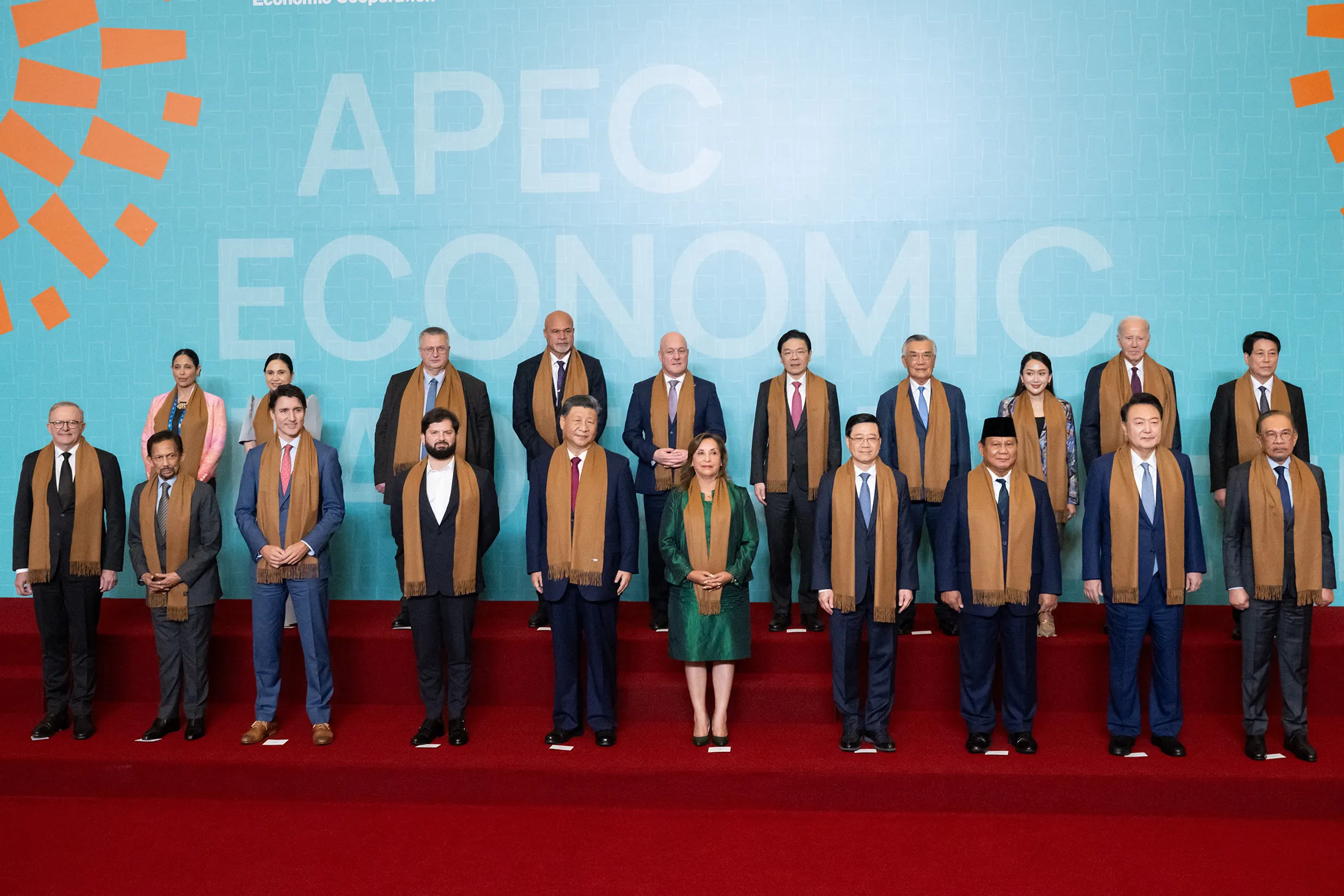
The APEC, given the interdependent nature of economies in the world, needs to step up to increase berths and welcome new rising Asia-Pacific economies, like India…
The future of the ASEAN depends on the geopolitical atmosphere that has been unfolding in the South China Sea, a regional territorial conflict over several features…