16 November 2026, NIICE Commentary 12909
Muskan Mehta
On 1 May 2026, Nepal and India concluded the eleventh meeting of their Joint Committee on Koshi and Gandak Projects in Kathmandu. The discussions covered flood management, erosion control, infrastructure maintenance and the sharing of information. The meeting demonstrated that cooperation over shared rivers remains an important part of the bilateral relationship. Yet, for communities living along the Kosi, the effectiveness of this cooperation is measured by something more immediate: whether they receive timely warnings, whether their homes and livelihoods are protected, and whether they can recover after a flood.
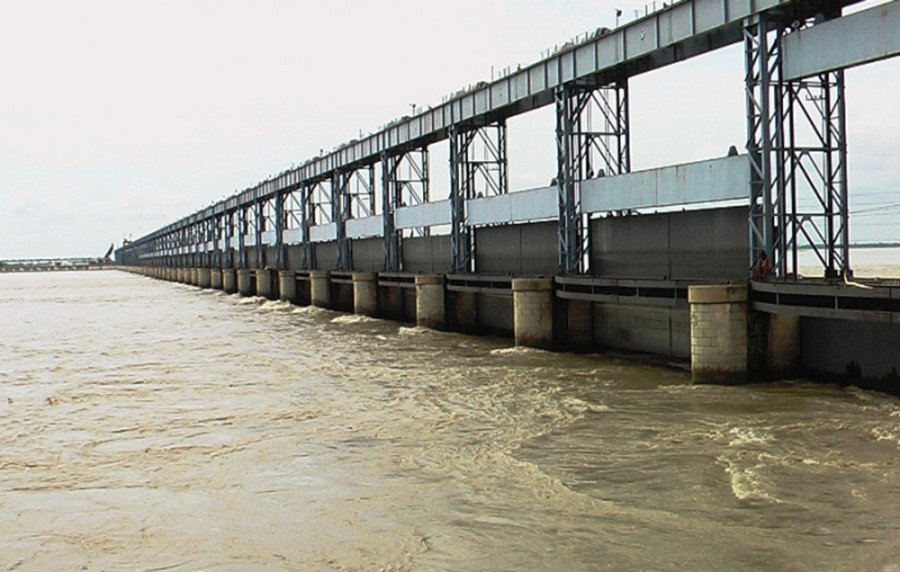
The Kosi River has connected Nepal and India through geography, agriculture and water management, but it has also exposed communities on both sides to recurring risks. The 1954 Kosi Agreement, revised in 1966, provided the framework for the construction and operation of the barrage and associated flood-control infrastructure. However, decades of experience suggest that infrastructure and bilateral arrangements alone cannot address the social consequences of flooding. India and Nepal must give greater attention to the people who live with these consequences.
The Human Cost behind Flood Management
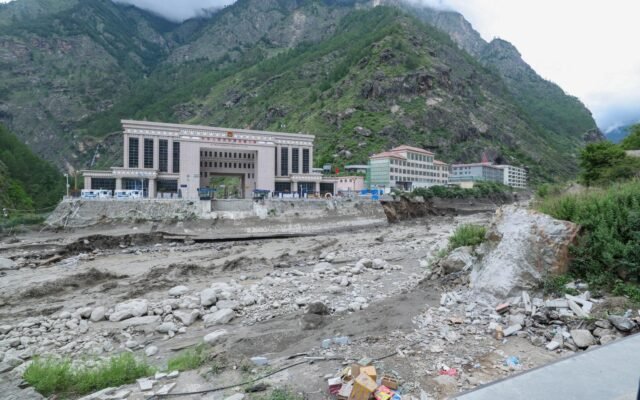
The 2008 Kosi embankment breach at Kushaha in Nepal remains a reminder of the consequences of inadequate preparedness and infrastructure failure. On 18 August 2008, the river breached its eastern embankment and changed course, sending floodwater into large parts of north Bihar. According to figures reported from official records by Down To Earth in August 2026, around four million people in Bihar were affected, 493 people died and more than 236,000 houses were destroyed. Communities in Supaul, Araria, Purnia, Madhepura and Saharsa experienced extensive damage to homes, agricultural land, roads and other infrastructure.
The disaster was not only an emergency requiring rescue and relief. It also created long-term problems involving compensation, housing and rehabilitation. Eighteen years later, survivors and local organisations continue to raise concerns about unresolved claims. Down To Earth reported the case of Pritam Mukhiya, a boatman who said he had used his own boat for 58 days to help rescue flood victims in 2008 but had not received compensation for its use or subsequent damage.
Such experiences show that flood management cannot end when water levels fall. For affected families, recovery may involve years of dealing with damaged property, lost agricultural income and administrative procedures. The absence of timely assistance can make an already difficult situation worse.
Cooperation must Reach Beyond Infrastructure
India and Nepal have established several mechanisms for managing shared rivers. The Joint Committee on Koshi and Gandak Projects reviews technical and operational matters, while India’s Kosi High Level Committee oversees recommendations concerning flood-protection works. In its report on achievements during 2025–26, India’s Ministry of Jal Shakti stated that flood-protection works were being maintained through post-monsoon inspections and committee recommendations. It also reported that work was underway to update the comprehensive flood-management plan for the Kosi.
These efforts are important. However, the question is whether information and decisions made through institutional meetings reach vulnerable settlements in a form that communities can use.
Research published in Geographical Research in 2023, based on household surveys and interviews in Nepal’s Kosi basin, examined how river governance and uncertainty in water flows affect communities living on the floodplains. It highlighted the vulnerability of people exposed to erosion and repeated inundation. More recently, an August 2026 research synthesis on transboundary cooperation in the Kosi basin called for stronger institutions, better communication among stakeholders and cooperation that goes beyond flood control and irrigation.
Together, these findings point to a gap in the way river cooperation is understood. Governments may exchange technical information, inspect embankments and discuss infrastructure, but local communities also need accessible warnings, clear communication and a meaningful role in preparedness.
Making River Cooperation More Responsive
India and Nepal do not necessarily need another bilateral institution to address these problems. They need to make existing mechanisms more responsive to local conditions. Four practical steps could help.
First, flood information should reach communities directly. Hydrological data and official warnings should be translated into clear, accessible messages and shared through local administrations, community radio, mobile alerts and local organisations. Warnings should explain not only rising water levels but also which settlements may be affected and what action residents should take.
Second, local authorities on both sides should establish regular communication before and during the monsoon. District administrations in Nepal and Bihar could identify contact points for exchanging information about water levels, embankment damage, evacuation needs and relief arrangements. This would make cooperation more useful at the level where emergencies are managed.
Third, rehabilitation and compensation require greater transparency. Governments should maintain accessible records of reported losses, compensation applications, pending claims and the status of rehabilitation. A clear grievance mechanism would allow affected families to follow their cases without repeatedly approaching different offices. This is particularly important for people whose livelihoods depend on land, livestock, boats and small agricultural activities.
Finally, communities should be included in flood-preparedness planning. Local consultations involving farmers, boat operators, women’s groups, local representatives and disaster-response agencies can help identify evacuation routes, vulnerable households and gaps in relief arrangements. Joint preparedness exercises could also test whether warnings are reaching the people who need them.
A People-Centred Approach to a Shared River
The eleventh meeting of the Joint Committee on Koshi and Gandak Projects in May 2026 provides an opportunity to take this agenda forward. As India and Nepal continue discussions on infrastructure maintenance, flood management and data-sharing, community-level preparedness and rehabilitation should become more visible parts of their cooperation.
The Kosi Agreement remains an important foundation for bilateral river management. But the success of that relationship should not be judged only by the condition of barrages, embankments or the number of official meetings held. It should also be judged by whether people living along the river receive timely warnings, fair assistance and a meaningful voice in decisions that affect their lives.
For India and Nepal, the next stage of river cooperation must go beyond managing the Kosi as a shared water resource. It must recognise the communities along its banks as central stakeholders in its future.
Muskaan Mehta is a postgraduate researcher in International Relations and Geography from Amity Iniversity, Noida, India.